The role of credit in post-pandemic economic recovery in Canada
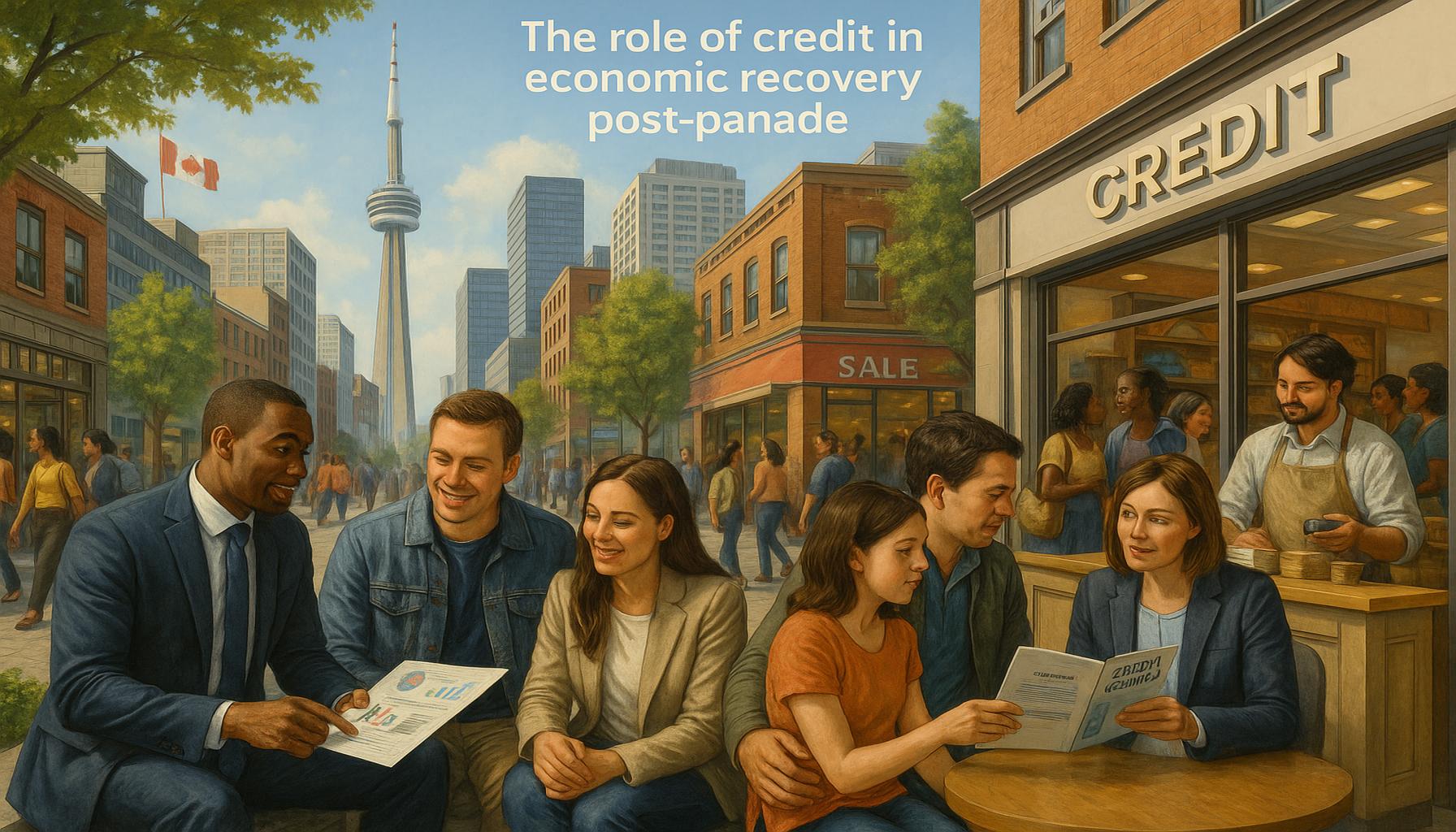
The Role of Credit in Economic Recovery
As the global community begins to recover from the challenges posed by the COVID-19 pandemic, nations, including Canada, are increasingly turning their attention towards economic recovery strategies. In this context, credit emerges as a vital instrument, not only for individual financial stability but also for the broader economic environment. Understanding the significance of credit in the current landscape involves exploring its extensive benefits and implications across various sectors.
One of the most immediate effects of enhanced access to credit is its ability to stimulate consumer spending. When Canadians have access to credit, they can make necessary purchases, from everyday essentials to larger investments in home appliances and vehicles. For instance, as families begin to feel the strains of the pandemic lift, credit might enable them to finance a long-overdue kitchen renovation or purchase a new family vehicle, effectively boosting demand across retail and manufacturing sectors. This surge in consumer spending generates a ripple effect, creating jobs and increasing production capacities.
Moreover, supporting small businesses is another cornerstone of economic recovery through credit. Small enterprises often find themselves at the forefront of local economies, so providing them with loans and credit extensions is crucial for their recovery and growth. For instance, a small café in Toronto may rely on a small business loan to purchase new equipment or remodel its space to incorporate safe dining practices. This type of funding not only helps the business thrive but also ensures that jobs are maintained and the local economy remains vibrant.
Impact on the Housing Market
In addition to stimulating consumer spending and bolstering small businesses, credit plays a significant role in encouraging home investments. With low-interest rates making mortgages more affordable, potential homeowners may be more inclined to invest in real estate. This is particularly important in cities like Vancouver and Toronto, where the housing market is a key economic driver. The ability to secure favorable financing options helps sustain the demand for housing despite the past market fluctuations caused by the pandemic.
Sector-Specific Benefits
The implications of credit extend to various sectors, each of which has unique needs and challenges. In the manufacturing and retail sectors, for instance, businesses often depend on credit to replenish inventories and make necessary adjustments in response to fluctuating consumer preferences. An electronics retailer needing to stock new tech products must leverage credit to ensure they can meet customer demands promptly.
Furthermore, the realm of technology and innovation thrives on access to capital. Thanks to financing, technology firms can invest in advancements that enhance operational efficiency and resilience, which are essential in a post-pandemic world. Companies adopting new software solutions or automation technologies can pivot to meet changing market demands and improve competitiveness.
The healthcare sector also benefits significantly from increased funding, vital for infrastructure improvements and technological upgrades in the wake of the crisis. For example, hospitals may require loans to bolster their emergency preparedness or invest in telehealth services, ensuring that they can provide quality care in a rapidly evolving environment.
As Canada advances into this new economic reality, the importance of responsible credit use becomes increasingly evident. By grasping the full spectrum of credit’s potential and practicing financial prudence, Canadians can not only fuel their individual recovery journeys but also contribute to a collective path toward sustainable economic growth. This dual focus on personal responsibility and broader economic impact will be essential as the nation navigates the future.
LEARN MORE: Click here to dive deeper
Building a Foundation for Recovery
As Canada moves forward from the economic upheaval caused by the COVID-19 pandemic, the role of credit in restoring financial stability becomes paramount. With the right access to credit, individuals and businesses alike can foster an environment conducive to growth and resilience. Essential to this recovery is the recognition of how credit can serve as a catalyst in multiple areas of the economy.
One major aspect of credit’s influence is its potential to enhance consumer confidence. During the pandemic, many Canadians experienced job losses and financial hardships, leading to a reluctance to spend. However, as the economy begins to open up, the prospect of accessing credit can empower consumers to make purchases without hesitation. This renewed confidence can translate into increased spending across sectors, ultimately stimulating economic growth. For instance, a Canadian family may feel more comfortable financing a vacation or upgrading their home appliances, thereby directly benefiting local businesses and supporting jobs in the sector.
Furthermore, government initiatives aimed at easing credit access play a crucial role in economic recovery. Programs like the Canada Emergency Business Account (CEBA) and enhanced lending from financial institutions provide the liquidity that businesses need to navigate the aftermath of the pandemic. In particular, these initiatives have been instrumental for sectors like hospitality and retail, which have faced unprecedented challenges. With financial support, these businesses can cover operational costs, maintain employee wages, and invest in necessary upgrades to adapt to changing consumer demands.
The importance of credit also extends to entrepreneurship, which is vital for job creation and innovation. Startups and small enterprises help to diversify the economy, and their success is often driven by the ability to secure funding through loans or investments. In a post-pandemic landscape, aspiring entrepreneurs can leverage various credit options to launch innovative projects or expand existing businesses. Here are key ways credit supports entrepreneurial ventures:
- Access to Startup Capital: Aspiring business owners can use personal loans or lines of credit to launch their ideas.
- Inventory and Equipment Financing: Businesses can finance the purchase of necessary tools or stock to kickstart operations.
- Operational Expenditures: Credit can help cover initial costs like marketing, staffing, and rent while the business gains traction.
In addition to fostering consumer spending and entrepreneurship, credit is essential in promoting local economic sustainability. When banks and financial institutions make credit available to community-focused businesses, they strengthen the local economy by keeping funds circulating within the region. For example, a local farmer may secure a loan to expand their operations, ultimately benefiting grocery stores, restaurants, and consumers alike. This interconnectedness highlights how credit can shape a community’s economic landscape, leading to long-term resilience and growth.
The path to recovery will undoubtedly require a concerted effort from all stakeholders involved. By understanding the role of credit in enabling consumer spending, supporting entrepreneurship, and fostering local economic sustainability, Canadians can work collaboratively towards a more robust economy capable of thriving beyond the pandemic’s aftereffects.
LEARN MORE: Click here for details
Credit as a Tool for Inclusive Growth
As we delve deeper into the impact of credit on Canada’s post-pandemic economic recovery, it is vital to consider how access to credit can also promote inclusive growth. While many businesses and households may seek to recover, it is essential that the benefits of recovery extend to all segments of the population, including marginalized communities. Addressing existing inequalities in access to credit is an investment in the overall economic health of the country.
Research indicates that minority-owned businesses and those in underserved regions historically face greater barriers to accessing credit. By extending credit access to these groups, we can enable a more equitable recovery. For instance, community banks and credit unions often play an instrumental role in providing tailored financial products to those who might otherwise be overlooked by traditional banks. This is particularly important for women entrepreneurs, who can leverage credit to launch and grow their businesses, thereby contributing to job creation and increased diversity in the marketplace.
Moreover, the rapid rise of technology-driven financial services has made a significant impact on the accessibility of credit. Fintech companies offer innovative lending solutions that prioritize speed and convenience, allowing a broader audience to apply for loans online. Initiatives such as peer-to-peer lending and crowd-funding platforms can help bridge the gap for those who struggle to secure traditional loans. These modern solutions are paving the way for individuals and small businesses to secure financing, irrespective of their geographic or socioeconomic status.
In addition, we should consider how credit can empower individuals to invest in their own health and education. Access to credit can enable people to pursue higher education or specialized training, which is necessary to adapt to the changing job market. For instance, many Canadians who lost their jobs during the pandemic are looking to upskill or transition to emerging industries. A student loan or affordable financing options can facilitate this transition, ultimately resulting in a more adaptable and skilled workforce. By investing in human capital, Canada can ensure a robust economic framework capable of facing future challenges.
Environmental sustainability is another area where credit plays a crucial role in recovery post-pandemic. As Canadians prioritize sustainability more than ever, businesses can use credit to fund green initiatives. Financial institutions are increasingly offering loans with favorable terms for environmentally friendly projects, whether that means upgrading to energy-efficient equipment or expanding operations to support renewable energy efforts. In this way, credit becomes not only a tool for recovery but also a means to build a more sustainable and resilient economy.
The focus on credit during this recovery period highlights the need for collaborative policy-making to ensure that access to finance is equitable and inclusive. Policymakers must engage with financial institutions, community organizations, and skilled experts to create strategies that address the gaps in credit access. By fostering partnerships between the private sector and government, new programs can be designed to support those who need it most, creating a ripple effect that benefits the entire Canadian economy.
In summary, as the economy begins to bounce back, fostering an ecosystem where credit is accessible, equitable, and targeted towards the right sectors and communities will be essential. This approach will not only accelerate recovery but also lay the groundwork for sustainable growth that includes everyone, making Canada stronger and more resilient as it emerges from the shadows of the pandemic.
DISCOVER MORE: Click here for insights on credit cards and financial health
Conclusion
In the wake of the pandemic, credit has emerged as a critical lifeline for both businesses and individuals navigating the complexities of economic recovery in Canada. By providing necessary financial resources, credit not only supports immediate business continuity but also fuels long-term growth and innovation. The challenges presented by the pandemic have underscored the importance of fostering inclusive access to credit, particularly for marginalized communities and underserved populations. The ability for diverse groups to access financial resources is paramount in creating a robust economy that does not leave anyone behind.
Furthermore, the technological advancements in financial services illustrate the dynamic nature of the credit landscape. With alternative lending solutions and fintech innovations, we are witnessing a shift toward more accessible financial opportunities that empower a wider range of Canadians to participate in the recovery process. By investing in human capital through education and training, as well as fostering environmentally sustainable initiatives, credit serves not just as a financial tool, but as a catalyst for a more resilient and equitable future.
As policymakers and financial institutions collaborate to create frameworks that prioritize equitable credit distribution, the potential for a truly inclusive economic recovery becomes tangible. Thus, credit has the power to be a unifying force, bridging gaps between diverse communities, enhancing innovation, and cultivating a sustainable path forward. In essence, by strategically leveraging credit, Canada can emerge from this challenging chapter with a stronger, more integrated economy ready to meet the demands of tomorrow.

Linda Carter
Linda Carter is a writer and financial expert specializing in personal finance and financial planning. With extensive experience helping individuals achieve financial stability and make informed decisions, Linda shares her knowledge on the our platform. Her goal is to empower readers with practical advice and strategies for financial success.