The Importance of Creating an Emergency Fund: Saving for the Unexpected
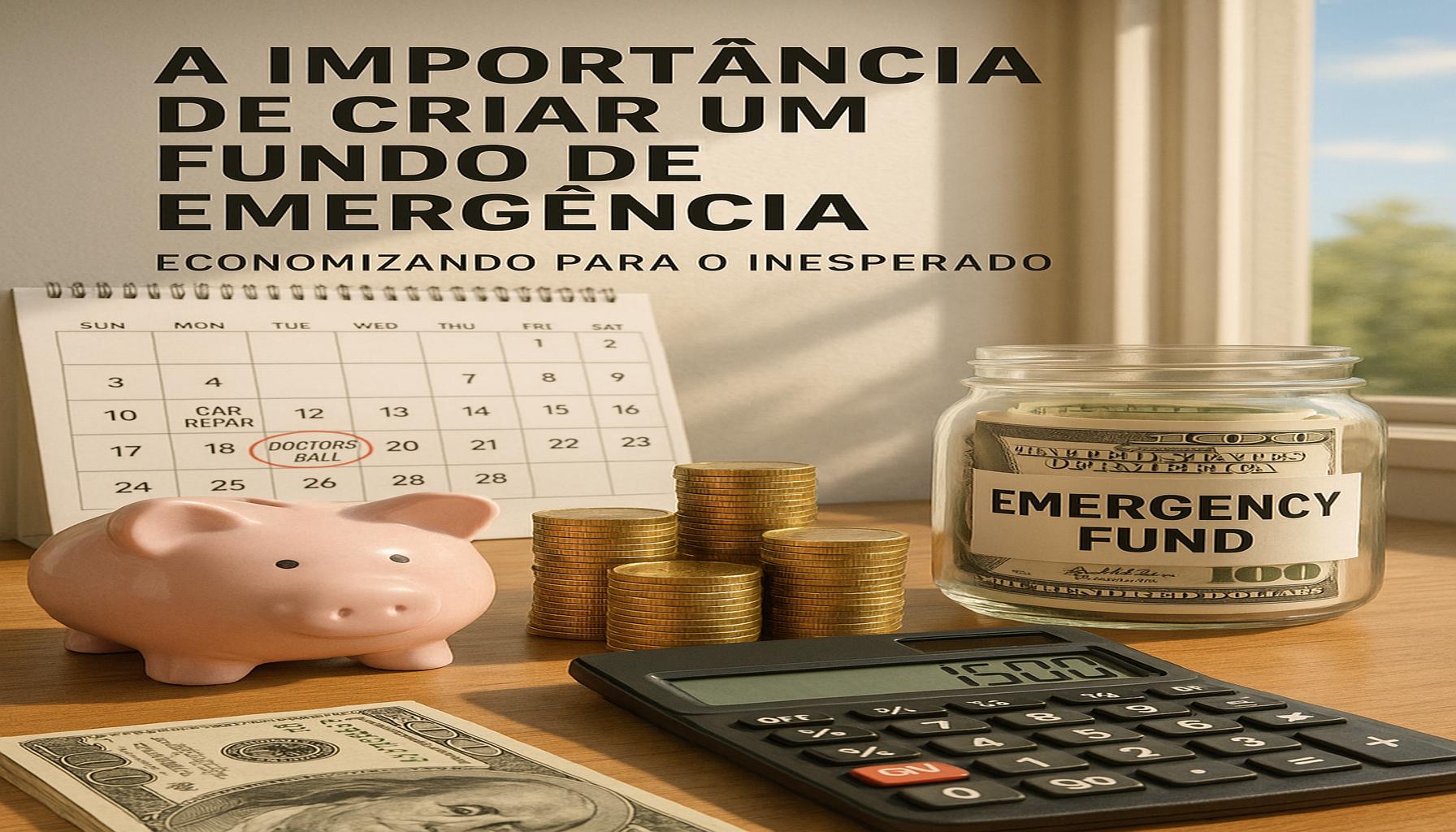
Understanding the Importance of an Emergency Fund
Throughout our lives, we often encounter situations that challenge our financial stability. These challenges arise unexpectedly, leaving us vulnerable and unprepared. This unpredictability underscores the importance of having an emergency fund, which serves as a crucial safety net for managing unforeseen expenses. Setting aside money for emergencies not only protects you from financial strain but also sets you on a more secure path for the future.
Reasons to Establish an Emergency Fund
There are numerous reasons why having an emergency fund is essential in maintaining financial health:
- Unforeseen Medical Expenses: Health issues can strike without warning. According to Statistics Canada, a significant percentage of Canadians experience significant out-of-pocket medical costs each year. Whether it’s an unexpected surgery or a sudden hospital visit, these expenses can wreak havoc on your finances. An emergency fund can alleviate the stress linked to these bills, ensuring that you can seek the necessary care without sacrificing your financial stability.
- Job Loss: The job market can be volatile, and layoffs happen even in stable industries. In Canada, the average length of unemployment is nearly five months, according to the Labour Force Survey. An emergency fund can provide you with the financial cushion needed during this transition, allowing you to focus on your job search without the added pressure of immediate financial obligations.
- Home Repairs: Homeownership comes with responsibilities, including unexpected repairs that can drain your finances quickly. For instance, a leaky roof or a failing furnace can arise at the most inconvenient times, especially during harsh Canadian winters. Having a fund dedicated to emergencies means you can address these urgent repairs without resorting to high-interest loans or credit cards.
Enhancing Peace of Mind
In addition to covering unexpected expenses, an emergency fund brings about a sense of peace. Living without the constant worry of how to handle unforeseen costs allows you to focus on your long-term financial goals, such as saving for retirement or investing in education. Knowing there’s a financial buffer means you can more freely make decisions that align with your values and aspirations rather than merely reacting to crises as they arise.
Building Your Emergency Fund
Creating an emergency fund is a gradual process that requires dedication and a solid plan. Start by setting realistic goals: Aim to save at least three to six months’ worth of living expenses. While this might seem daunting, even small, consistent contributions can lead to significant savings over time. Consider automating your savings by directly depositing a portion of your paycheck into a separate savings account designated for emergencies. This way, you can build your fund without the temptation to spend that money.
Ultimately, positioning yourself with an emergency fund is not just about addressing the unpredictable events that life throws your way; it’s about achieving a level of financial stability that allows you to thrive. Start today, and over time, watch as your savings grow into a powerful safety net for your future.
DISCOVER MORE: Click here for the application guide
Why You Need an Emergency Fund
When contemplating our financial future, it’s essential to consider the uncertainty that life often presents. From sudden medical emergencies to unexpected job losses, the potential for unforeseen expenses can disrupt even the most carefully planned budgets. This is where an emergency fund comes into play, and its importance cannot be overstated. A dedicated emergency fund acts as a financial lifeboat, ensuring you don’t feel overwhelmed by unexpected financial waves.
The Safety Net Against Medical Costs
Canada’s healthcare system is known for being publicly funded, but that does not mean all health-related costs are covered. For instance, out-of-pocket expenses for prescriptions, dental care, and vision care can accumulate quickly. A survey conducted by the Canadian Institute for Health Information indicated that many families struggle to afford essential medical treatments due to these costs. Imagine receiving an unexpected diagnosis that requires medication or treatment not fully covered by your insurance. In such moments, an emergency fund can be invaluable. It enables you to receive necessary healthcare without coming under immense financial strain.
Employment Security in an Uncertain Job Market
The job market in Canada can be profoundly unpredictable. Economic shifts, company restructures, or even a downturn can lead to job losses that send shockwaves through your financial plans. Statistics Canada reports that the average unemployment duration can stretch to nearly five months during economic slowdowns. During such transition periods, having an emergency fund becomes crucial. It provides the financial security needed to cover living costs while you search for a new job without immediately feeling the pressure of bills piling up.
The Burden of Home Repairs
If you’re a homeowner, you are likely aware that the responsibilities of homeownership extend beyond the regular monthly mortgage payment. Properties require maintenance, and urgent repairs can crop up unexpectedly. Picture this: you return home one winter evening to discover that your heating system has stopped working in freezing temperatures. The urgency to repair it is immediate, yet the cost can be considerable. Without an emergency fund, homeowners may find themselves facing costly credit card interest or loans while scrambling to fix the issue. However, with savings set aside, you can swiftly address such repairs without sacrificing your financial stability.
A strong emergency fund is not just about weathering unpredictable storms; it’s about providing a sense of security, clarity, and control over your finances. Knowing that you have financial resources to lean on allows you to focus on your future, whether it is investing in your education, saving for a dream vacation, or simply enjoying peace of mind.
Make a Plan to Build Your Emergency Fund
Establishing an emergency fund doesn’t require a vast sum of money in a single go. Start with a goal in mind, aiming to save between three to six months’ worth of living expenses. This might initially seem like a daunting task, but incremental savings can lead to significant growth over time. Here are three steps to help you kickstart your emergency fund:
- Set a Monthly Savings Goal: Determine a reasonable amount that you can set aside each month. Even $50 can add up over time.
- Create a Separate Savings Account: Open a dedicated account for your emergency fund to avoid spending those funds on non-emergencies.
- Automate Your Savings: Set up automatic transfers to your emergency fund account to make saving easier and more consistent.
By prioritizing the establishment of an emergency fund, you not only protect yourself against the unknown but also lay a foundation for a more secure financial future.
LEARN MORE: Click here to gain insights
Benefits Beyond Financial Security
While the primary function of an emergency fund is to serve as a financial cushion, its benefits extend well beyond mere monetary safety. Cultivating an emergency fund provides a platform that fosters emotional resilience, peace of mind, and financial independence. Gaining a clear understanding of these aspects can inspire Canadians to prioritize their savings and engage in proactive financial planning.
Emotional Well-Being and Reduced Stress
You might not initially associate finances with emotional health, yet the connection is unmistakable. A solid emergency fund can significantly reduce anxiety related to unforeseen financial emergencies. According to a study from the Canadian Mental Health Association, financial stress is a leading contributor to anxiety and depression. By having funds readily available for emergencies, you can experience a sense of control over your financial situation, alleviating the mental burden that often accompanies unexpected expenditures. This emotional buffer allows you to navigate through difficult times with a clearer mind, ultimately strengthening your overall well-being.
Enabling Financial Freedom
A well-stocked emergency fund enables a level of financial freedom that few other aspects of financial planning can provide. With savings set aside for unforeseen circumstances, you are less likely to resort to high-interest debt options like credit cards or payday loans. This choice extends beyond simply having funds for emergencies; it allows for greater flexibility in financial decision-making. Whether it’s the opportunity to pursue a passion project, make career transitions, or even take necessary risks like starting a business, having a safety net fosters courage in your financial choices. In Canada’s unique economic landscape, where job markets can be variable, feeling financially empowered is more important than ever.
A Foundation for Future Financial Goals
Creating an emergency fund not only protects against the unexpected; it also seeds the ground for future aspirations. Once you’ve built a comfortable emergency fund, you can pivot your focus to achieving other financial objectives, such as saving for retirement, purchasing a home, or funding your children’s education. Consider the situation of young families in Canada looking to save for their children’s post-secondary education. An emergency fund offers a cushion against life’s unpredictability while allowing the primary savings strategy to align with long-term planning. This dual focus on immediate needs and future goals is a hallmark of smart financial management.
Educating and Involving Family Members
Instilling the importance of saving within the family unit can have lasting impacts. Discussing the concept of an emergency fund with children or partners encourages both financial literacy and shared responsibility. Initiating regular family meetings to review savings goals can foster healthy conversations about finances and encourage everyone to work together toward common goals. This practice cultivates an environment where financial education becomes a shared journey rather than a solo endeavor, empowering future generations with the knowledge to navigate their financial futures effectively.
As you continue to build your emergency fund, remember that these benefits stem from understanding the deeper impacts of saving for the unexpected. It’s not merely about having funds set aside; it’s about enhancing your quality of life, improving your emotional resilience, and preparing your family for a secure financial future.
DISCOVER MORE: Click here to learn about how interest rates affect your debt
In Conclusion: Embracing Financial Preparedness
Creating an emergency fund is not simply a matter of financial prudence; it is a profound step towards achieving a sense of empowerment and stability in life. By building a safety net for unforeseen circumstances, you equip yourself with the tools to navigate life’s unpredictabilities with confidence. This financial buffer not only alleviates stress but also fosters emotional well-being, allowing you to experience greater peace of mind. In a society where transitional job markets are common and unexpected expenses can arise in an instant, the importance of having an emergency fund becomes even more pronounced.
Furthermore, the act of saving for emergencies serves as a catalyst for pursuing long-term financial goals. Whether it’s planning for your children’s education or envisaging your dream retirement, a well-established fund lays the groundwork for a more secure future. As you consider your own financial landscape, take the time to engage with family members about the necessity of saving. Through collaboration and education, you can inspire a culture of financial awareness that extends beyond your individual circumstances, ensuring future generations are equipped to handle their financial journeys.
Ultimately, creating an emergency fund is a vital investment in not only your financial stability but also your emotional health and overall quality of life. Make the commitment to prioritize this essential aspect of financial planning, and you will find yourself better prepared to face whatever life may bring.

Linda Carter
Linda Carter is a writer and financial expert specializing in personal finance and financial planning. With extensive experience helping individuals achieve financial stability and make informed decisions, Linda shares her knowledge on the our platform. Her goal is to empower readers with practical advice and strategies for financial success.