Investing in Financial Education: The Path to Save Smartly
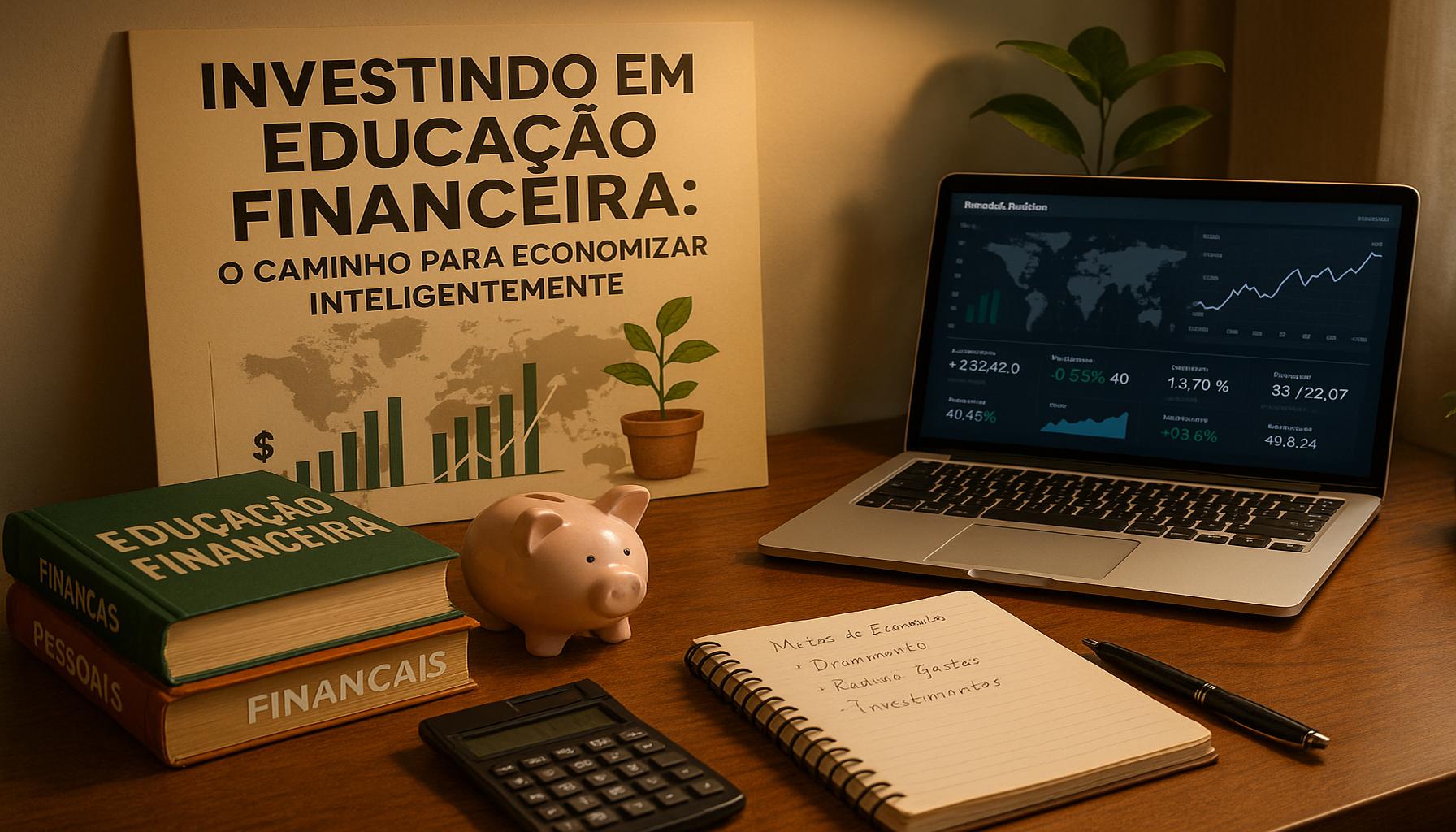
Empowering Yourself through Financial Knowledge
In today’s fast-paced world, financial literacy has transcended from being a mere asset to a necessity for navigating the complexities of economic life. Many individuals, especially in Canada, find themselves grappling with multifaceted financial landscapes, filled with credit options, investment opportunities, and unpredictable market fluctuations. However, education is the key to mastering these financial challenges, ensuring that individuals are well-equipped to make informed decisions that positively impact their lives.
The journey towards enhancing one’s financial knowledge can be incredibly rewarding. It encompasses not just the acquisition of information, but the development of skills that translate into real-world benefits. Here are some pivotal advantages of investing in your financial education:
- Informed Decision-Making: Individuals learn to distinguish between needs and wants, allowing them to prioritize their spending effectively. For example, understanding the importance of emergency savings can prevent impulsive purchases that compromise long-term sustainability.
- Better Savings Habits: A strong financial education fosters the ability to budget wisely. Canadians can utilize tools like budgeting apps to track their expenses and savings goals, ultimately leading to financial stability.
- Investment Opportunities: By learning how to identify and evaluate investment possibilities, individuals can make sound investments. Knowledge about the Canadian stock market and real estate trends can open doors to wealth-building opportunities, leading to informed choices that benefit their financial future.
Moreover, the path to saving smartly often hinges on one’s ability to effectively navigate various financial tools and strategies. The rewards are manifold and can lead to:
- Financial Security: This is the cornerstone of peace of mind. Building a financial cushion through proper investments and savings ensures a stable future for individuals and their families.
- Wealth Creation: With the right insights, individuals can cultivate a robust investment portfolio, leveraging resources like tax-free savings accounts (TFSAs) or retirement savings plans (RRSPs) to grow their wealth efficiently.
- Stress Reduction: Confidence in one’s financial decisions can significantly lower anxiety and stress, allowing individuals to focus on enjoying life rather than worrying about finances.
Through accessible resources such as online courses, financial workshops, and community programs, anyone can unlock their potential and embark on a journey toward financial empowerment. These tools not only equip individuals with knowledge but also help foster a community of financially savvy individuals who support one another. As we delve deeper, join us in exploring practical tips and strategies aimed at enriching your financial education. Each small step taken today can lead to a more prosperous tomorrow.
LEARN MORE: Click here for a step-by-step guide
Understanding the Fundamentals of Financial Education
Investing in financial education is akin to laying down the groundwork for a successful venture. Just as a builder requires a solid foundation to ensure the integrity of the structure, individuals need a firm grasp of financial principles to navigate the myriad of choices that come their way. This understanding allows Canadians not only to manage their day-to-day finances but also to plan for future endeavors with confidence.
Financial education begins with comprehending basic concepts such as budgeting, saving, and investing. These principles are intertwined and serve as the pillars that support a healthy financial life. Firstly, budgeting is the act of forecasting your income and expenditures. This essential skill can help Canadians align their financial resources with their goals. By practicing effective budgeting, individuals can identify surplus cash flow and allocate it wisely towards savings or investment opportunities.
The importance of savings can’t be overstated. Many Canadians may find themselves faced with unexpected expenses, whether it’s a car breakdown, medical emergency, or necessary home repairs. Establishing an emergency fund with three to six months’ worth of living expenses can safeguard against these unforeseen events, offering peace of mind and financial flexibility. This understanding fosters a culture where saving is not just a tendency but a habit ingrained in everyday life.
As awareness of financial tools grows, so does the need for knowledge about investment options. Individuals who invest their money wisely can reap benefits that enhance their wealth in the long run. Take, for instance, the growing trend of investing in index funds or Exchange-Traded Funds (ETFs). These options have become increasingly popular among Canadian investors due to their diversified nature and lower management fees compared to traditional mutual funds. Understanding how these vehicles function enables individuals to make informed investment choices that can lead to greater financial independence.
Moreover, financial education encompasses retirement planning—a crucial aspect of long-term financial health. Canadians can benefit from enhancing their knowledge about pension plans, Registered Retirement Savings Plans (RRSPs), and Tax-Free Savings Accounts (TFSAs). Each of these options has unique tax advantages that can help individuals grow their retirement savings significantly. By securing an understanding of these tools, future retirees can elevate their standard of living during their golden years.
- Enhance Your Budgeting Skills: Learn to forecast income and expenditures to allocate funds wisely.
- Build An Emergency Fund: Protect against unexpected expenses with adequate savings.
- Explore Investment Opportunities: Understand options like index funds or ETFs to maximize returns.
- Plan for Retirement: Familiarize yourself with investment vehicles like RRSPs and TFSAs to secure your future.
By striving towards financial education, individuals not only empower themselves but also inspire those around them. This initiative leads to informed discussions within families and communities and promotes a culture of responsible financial behavior. As we further explore strategies for effective financial education, it becomes evident that taking control of one’s finances leads to improved overall well-being and a brighter financial future.
LEARN MORE: Click here to discover the impact of Canadian banks on financial inclusion
The Role of Financial Literacy in Wealth Creation
As Canadians increasingly turn to financial education, the importance of financial literacy as a tool for wealth creation becomes unmistakable. Financial literacy provides the knowledge necessary to understand how financial systems operate and how different variables can influence individual financial circumstances. A financially literate individual is equipped to make decisions that generate not just security, but also opportunities for growing wealth over time.
One pivotal aspect of financial literacy involves understanding debt management. In Canada, individuals often rely on credit as a means to finance life’s milestones, from education to home ownership. However, a lack of financial education regarding debt can lead to overwhelming liabilities. To remedy this, understanding concepts such as interest rates, loan types, and credit scores is vital. Recognizing the difference between ‘good debt’—like a mortgage that increases in value over time—and ‘bad debt’, such as high-interest credit card debt, can empower individuals to make better financial choices that bolster their net worth.
Moreover, cultivating familiarity with financial markets is a critical element of financial education. Knowledge about how markets function and the factors that drive them can make a significant difference in investment performance. For instance, individuals who take the initiative to learn about market trends, economic indicators, and regulations are better positioned to recognize investment opportunities. This can be particularly relevant for Canadians considering the growing tech industry or exploring environmentally sustainable investments, both of which have shown promising returns.
Engaging with Financial Tools and Resources
Investing in financial education doesn’t just involve learning concepts; it also entails engaging with various financial tools and resources. Resources like online platforms offer courses, webinars, and workshops designed for different levels of financial expertise. Many financial institutions in Canada provide free resources aimed at educating clients about personal finance, making it easier than ever to access valuable information. Additionally, community programs and financial literacy campaigns have emerged as powerful initiatives, emphasizing the importance of informed decision-making.
Participation in discussions about socially responsible investing (SRI) is also an emerging trend within financial education. Many Canadians are not only interested in profit but also in making investments that align with their values. This has led to an increased demand for knowledge about how to evaluate companies based on their ethical practices and environmental stewardship, emphasizing the broader impact of investment choices on society.
- Effective Debt Management: Learn the difference between good and bad debt to maximize financial health.
- Market Familiarity: Understand economic indicators to identify potential investment opportunities.
- Utilizing Resources: Engage with online platforms, community programs, and institutional resources for comprehensive education.
- Socially Responsible Investing: Align investments with personal values while seeking profitability.
By prioritizing financial education, Canadians can create an informed populace that understands the significance of financial choices. This knowledge not only promotes individual wealth but also encourages a collective upliftment within communities, instilling confidence in navigating life’s financial complexities. As more individuals embrace the journey of financial education, the potential for building sustainable wealth and achieving long-term financial goals becomes a reality.
LEARN MORE: Click here for the step-by-step guide
Conclusion
In an ever-evolving financial landscape, the decision to invest in financial education stands out as an essential strategy for Canadians aiming to save smartly. The knowledge gained through financial literacy not only equips individuals to manage their debt more effectively but also paves the way for informed investment choices. Understanding the intricate workings of the financial systems allows Canadians to take control of their financial futures, fostering not just wealth but a sense of security and financial empowerment.
The importance of engaging with diverse financial tools and resources cannot be overstated. As technology democratizes access to financial education, Canadian citizens have a plethora of opportunities to deepen their understanding. From online platforms to community initiatives, the avenues for learning encourage a culture of informed decision-making that resonates well beyond individual households. This knowledge becomes particularly impactful in the context of socially responsible investing, further aligning investments with personal values and driving positive change in society.
Ultimately, investing in financial education transforms not just individual lives, but also the broader community. Informed citizens can contribute to a more resilient economy while promoting sustainable practices that benefit future generations. As the journey of financial literacy continues, it is essential for Canadians to embrace this path, knowing that smarter financial decisions today will yield a brighter, more secure financial tomorrow for themselves and their communities.

Linda Carter
Linda Carter is a writer and financial expert specializing in personal finance and financial planning. With extensive experience helping individuals achieve financial stability and make informed decisions, Linda shares her knowledge on the our platform. Her goal is to empower readers with practical advice and strategies for financial success.