How to Choose the Ideal Credit Card for Your Personal Financial Needs

Understanding Your Financial Landscape
Choosing the right credit card can significantly impact your financial health. With numerous options available, it’s crucial to consider factors tailored to your unique situation. A well-informed decision can lead to better rewards, lower interest rates, and enhanced financial flexibility.
Assess Your Financial Goals
Before diving into the specifics of credit card options, ask yourself what you want to achieve:
- Reward points or cash back for purchases: Many credit cards offer rewards programs that allow you to accumulate points or receive cash back for every dollar spent. For instance, cards like the Chase Freedom Unlimited provide 1.5% cash back on all purchases, which can add up significantly over time.
- Low interest rates for carrying balances: If you anticipate carrying a balance, look for cards with low Annual Percentage Rates (APRs). Cards such as the Citi Simplicity Card offer an introductory 0% APR on purchases and balance transfers for up to 18 months, making it easier to manage your payments without incurring high interest.
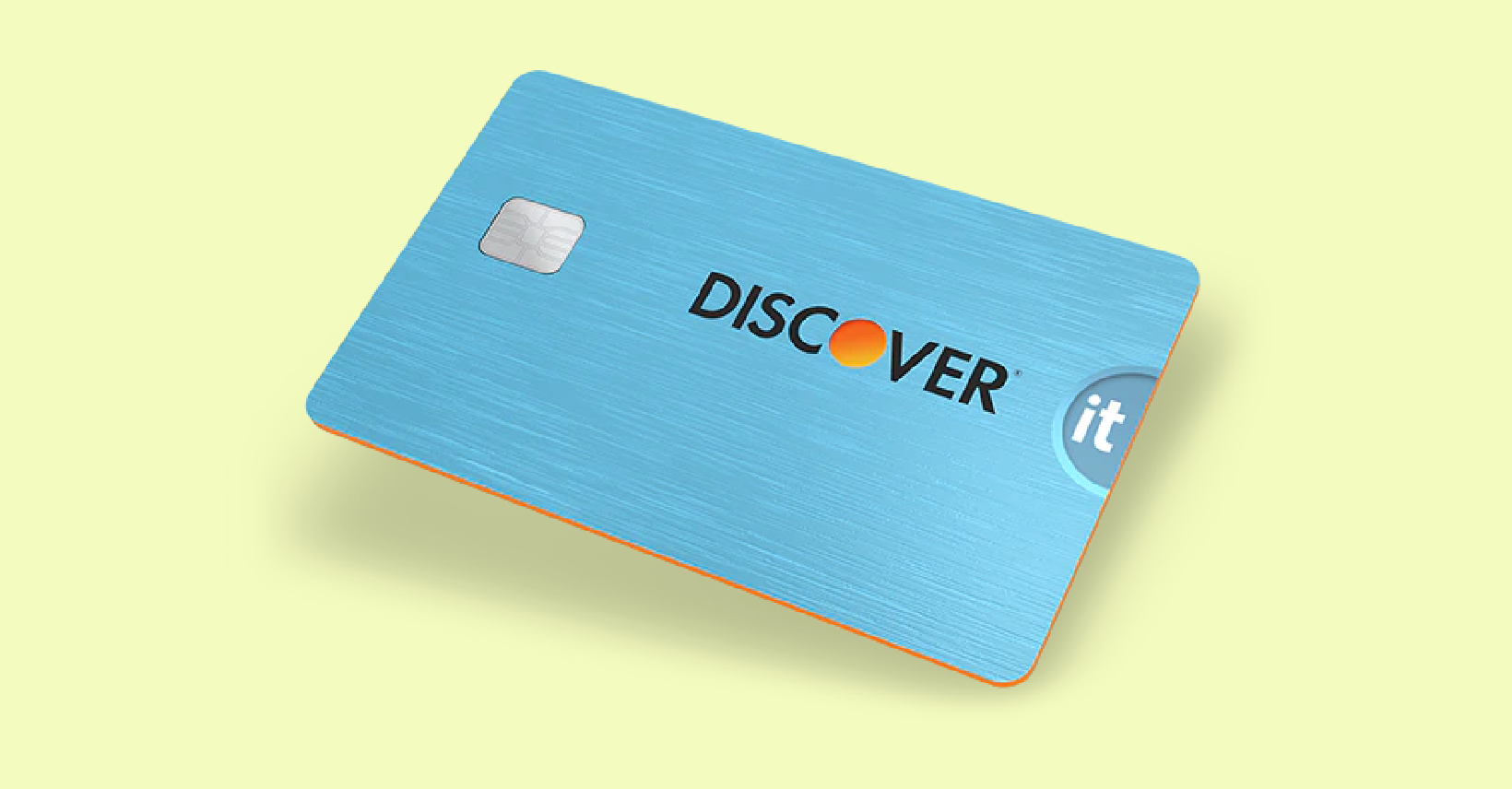
- No annual fees to save money: Some credit cards come with annual fees that can reduce your overall savings. Opting for cards with no annual fee, such as the Discover it Cash Back Card, can be beneficial if you want to maximize your financial rewards without incurring extra costs.
Evaluate Key Features
Consider these essential features when selecting a credit card:
- Annual Percentage Rate (APR): Evaluate whether the card offers a fixed or variable rate. Fixed rates remain constant throughout your borrowing period, while variable rates may fluctuate based on market conditions, potentially increasing your overall debt.
- Fees: Look for hidden fees, such as late payment or foreign transaction fees. For instance, a card may advertise low APRs but may charge a hefty foreign transaction fee of 3% whenever you make purchases abroad, which could add up.
- Rewards Program: Ensure it aligns with your spending habits. If you frequently travel or dine out, a card that offers higher rewards rates in those categories can significantly enhance your overall returns.
Understand Your Spending Habits
Your lifestyle plays a vital role in determining the best credit card for you. Analyze your monthly expenses and identify:
- Areas where you spend the most, like groceries or travel: Knowing that grocery stores are your major expenses could lead you to select a card that provides 3% back in that category, such as the Blue Cash Everyday Card from American Express.
- Opportunities for maximizing rewards: Look for seasonal promotions or sign-up bonuses offered by several brands that can further enhance the rewards you accumulate.
- Your ability to pay off balances regularly: If you can consistently pay off your credit card balance each month, you’ll avoid accruing interest and maximize any potential rewards.
A thorough understanding of these factors will guide you toward the ideal credit card tailored to your personal financial needs. By combining your financial goals with a careful evaluation of features and an analysis of your spending habits, you can ensure that the credit card you choose will serve you best in achieving your financial objectives.
DISCOVER MORE: Click here for inspiring minimalist living ideas
Identifying Your Credit Card Options
Once you have a clear understanding of your financial goals and spending habits, it is time to explore different credit card options tailored to meet your specific needs. With hundreds of credit cards available in the U.S. market, it can be overwhelming to identify which card will best suit your circumstances. To simplify this process, categorize potential credit cards into several key types based on the benefits they offer.
Types of Credit Cards
Understanding the various categories of credit cards will assist you in narrowing down your options. Here are some common types:
- Rewards Credit Cards: These cards reward you for your purchases with points, miles, or cash back. If you travel frequently, consider a travel rewards credit card like the Chase Sapphire Preferred, which offers generous points on travel and dining expenses. On the other hand, if you prefer cash rewards, options such as the Citi Double Cash Card might be more suitable, providing 2% cash back on all purchases.
- Balance Transfer Credit Cards: If you are looking to transfer existing debt, cards offering lower or 0% introductory APR on balance transfers can significantly reduce interest payments. For example, the Discover it Balance Transfer Card allows for a 0% introductory APR for 18 months, making it easier to pay down debt without accruing additional interest.
- Secured Credit Cards: Ideal for those with limited or poor credit history, secured cards require a cash deposit as collateral. This deposit becomes your credit limit. Cards such as the Capital One Secured Mastercard not only help build or rebuild credit but also offer the chance for credit line increases over time.
- Student Credit Cards: Designed for college students, these cards typically have lower credit limits and fewer requirements, making them accessible for young adults. The Journey Student Rewards from Capital One is a popular choice, offering rewards for on-time payments that can motivate responsible credit use.
Comparing Credit Card Offers
After identifying potential card types, compare individual offers using key metrics. When evaluating these offers, focus on:
- Interest Rates: Analyze the APR and any promotional rates that apply. A card with a lower APR is essential if you think you might carry a balance.
- Rewards Structure: Look closely at how rewards are earned. Some cards provide higher rewards in specific categories, while others offer flat-rate cash back on every purchase.
- Customer Benefits: Consider additional perks such as travel insurance, purchase protection, or access to exclusive events. These extras can add significant value depending on your lifestyle.
- Sign-Up Bonuses: Many cards tempt new applicants with lucrative sign-up bonuses contingent upon meeting spending thresholds. Ensure you can realistically meet these requirements without overspending.
Ultimately, by understanding the types of credit cards available and conducting comprehensive comparative analyses, you’ll position yourself to make informed choices that align with your financial objectives. Recognizing the intricacies of various offers is essential in selecting a credit card that offers maximum utility and benefits tailored to your financial lifestyle.
DISCOVER MORE: Click here to transform your life
Understanding Fees and Terms
In your quest to choose the ideal credit card, it is crucial to delve deeper into the fees and terms associated with each offer. While many cards boast enticing rewards and low introductory rates, it is equally important to be aware of any potential pitfalls that could diminish the overall value of the card over time. Here are several key factors to consider:
Annual Fees
Some credit cards require an annual fee, which can range widely from $0 to several hundred dollars. While a fee may seem prohibitive, assess whether the card’s benefits outweigh the cost. For example, a card with a $95 fee might offer extensive travel rewards, increasing the overall value for frequent travelers. In contrast, a no-fee card, like the Chase Freedom Unlimited, can be an excellent choice for those seeking flexibility without the commitment of annual fees.
Foreign Transaction Fees
If you travel abroad, be mindful of foreign transaction fees, which often range between 1% to 3% on purchases made outside the U.S. For frequent travelers, a card without these fees, such as the Capital One Venture Rewards Credit Card, can result in substantial savings. Before choosing a card, clarify how often you travel internationally and evaluate whether foreign transaction fees will impact your overall costs.
Late Payment Fees
Late payment fees can vary significantly from one card issuer to another, typically ranging from $25 to $40. Moreover, late payments can lead to increased interest rates on your balance. It is advisable to opt for a card that provides flexibility or offers grace periods, allowing you to better manage payments without incurring hefty penalties. Cards like the Discover it offer the chance for improved rates and no late fees for the first missed payment.
Credit Limits and Utilization
The credit limit assigned to your card is also a vital consideration. A higher credit limit may positively influence your credit utilization ratio, a premier factor in determining your credit score. Ideally, you should aim to use less than 30% of your total available credit. For instance, if you have a credit limit of $10,000, try to keep your balance under $3,000 to maintain a healthy credit score. Cards with lower credit limits may not offer such flexibility, especially if you tend to have high monthly expenses.
Fees for Cash Advances
Cash advances, while sometimes necessary, often come with significant fees and higher interest rates compared to regular purchases. Make sure you understand the fees associated with cash advances on your potential credit cards, as this could lead to unforeseen financial setbacks when emergencies arise. Cards like the American Express Blue Cash Preferred potentially offer lower cash advance fees, which can be critical if you rely on cash transactions in certain situations.
Recognizing and understanding these fees and terms is essential in evaluating the total cost of credit card use. By taking the time to consider these factors, you can better anticipate the financial implications of maintaining a credit card and select one that aligns with your financial strategy without exposing you to unnecessary risks or expenditures.
DISCOVER MORE: Click here to learn how to organize your wardrobe effectively
Conclusion
Choosing the ideal credit card is a nuanced process that requires a careful analysis of your personal financial needs, spending habits, and overall financial goals. To summarize, it is imperative to evaluate not just the rewards and benefits offered, but also the fees and terms associated with each card. Different cards serve distinct purposes; for instance, if you frequently travel, selecting a card with robust travel rewards and no foreign transaction fees can enhance your travel experience while saving you money.
Additionally, understanding how annual fees impact your net rewards and considering your potential credit limit and utilization ratio are foundational to maintaining a healthy credit score. Always be vigilant about the payment terms, such as avoiding late fees that could spiral into high-interest charges. Moreover, given that cash advances can incur significant costs, assessing the fee structures related to them is equally vital.
Ultimately, an informed decision that considers all aspects—from promotional offers to interest rates—will not only optimize your credit card experience but also contribute positively to your financial health. Carrying out thorough research and comparing various options empowers you to make a choice that is not only suitable for your lifestyle but also aligns with your financial aspirations. In a world where credit cards are a valuable tool for managing finances, being proactive and informed can help you leverage these products effectively while avoiding unnecessary pitfalls.

Linda Carter
Linda Carter is a writer and expert known for producing clear, engaging, and easy-to-understand content. With solid experience guiding people in achieving their goals, she shares valuable insights and practical guidance. Her mission is to support readers in making informed choices and achieving significant progress.