The impact of artificial intelligence on the global economy
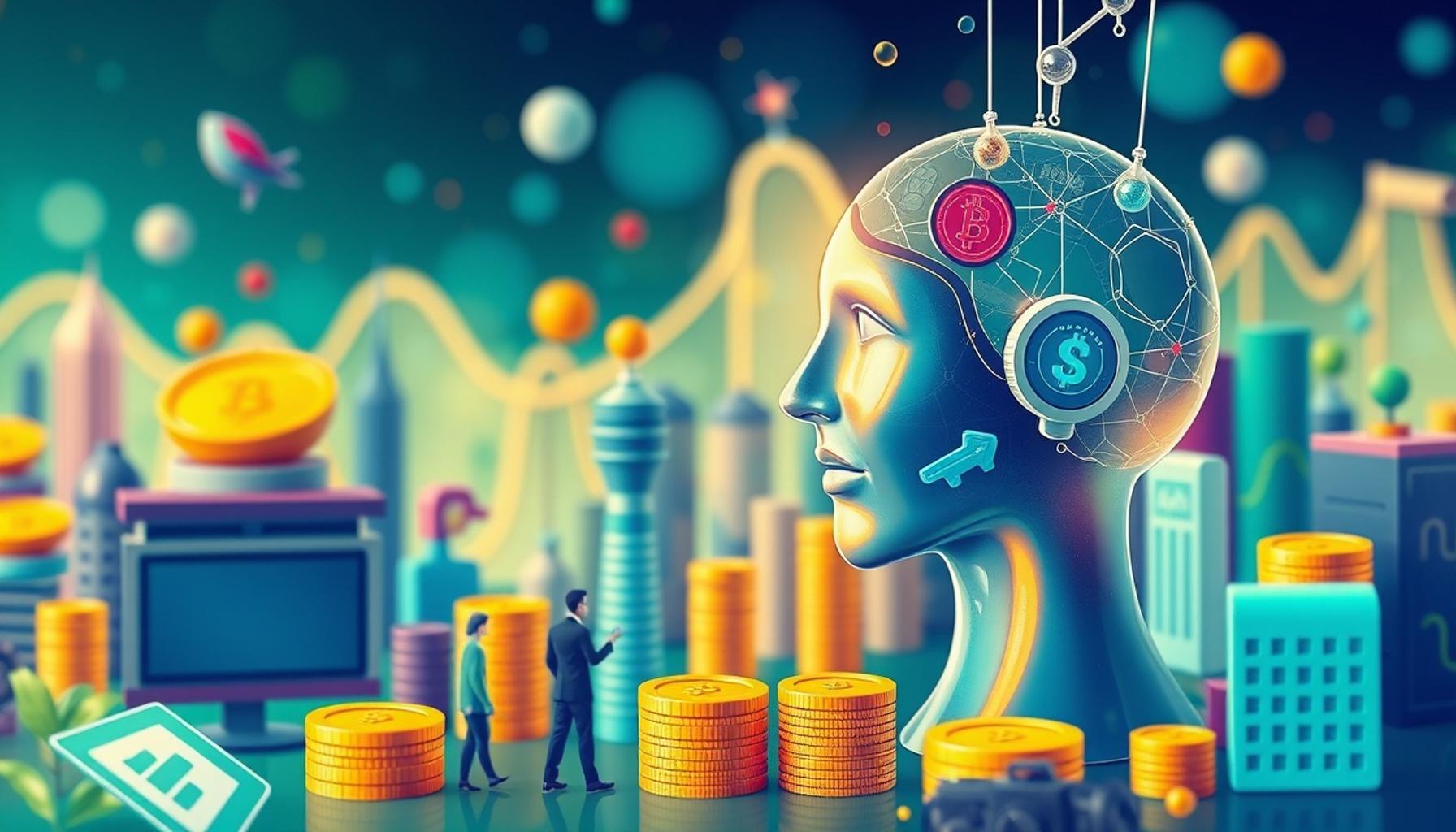
Transformative Potential of AI on the Global Economy
The advent of artificial intelligence (AI) is reshaping various sectors, marking a profound shift in the global economic landscape. As businesses incorporate AI technologies, we are witnessing noticeable changes in productivity, employment dynamics, and the overall growth of economies worldwide. To grasp the significance of these changes, let’s delve deeper into the areas where AI is making a remarkable impact.
Increased Efficiency
One of the most evident changes brought about by AI is the increased efficiency it offers. By automating routine tasks, companies can streamline operations and reduce human error. For instance, in the manufacturing sector, AI-powered robots can perform repetitive tasks much faster and more accurately than humans. This not only speeds up production but also allows human workers to focus on more complex and creative tasks, ultimately boosting overall productivity. A practical example can be seen in automotive industries, where AI is used in assembly lines to enhance precision and minimize waste.
Job Transformation
The impact of AI on employment is a double-edged sword. While automation may lead to the elimination of certain jobs, it also fosters the emergence of new roles that require advanced skills. This phenomenon is often termed job transformation. For example, as businesses increasingly employ AI technologies, there is a growing demand for data scientists, AI specialists, and cybersecurity experts. These positions often come with higher salaries and more opportunities for career advancement compared to traditional roles. To illustrate, the rise in AI use in financial services has necessitated professionals who can interpret data analytics and machine learning outputs, showcasing a shift rather than a complete loss of jobs.
Economic Growth
AI is projected to significantly boost the economy, with estimates suggesting it could contribute trillions of dollars to the global economy over the next few years. This potential for economic growth stems from AI’s ability to drive innovation, enhance productivity, and open new markets. In the United States, sectors like healthcare are leveraging AI to improve diagnostic processes, potentially leading to more effective treatments and reduced costs. Similarly, in agriculture, AI-driven technologies help optimize crop yields, contributing to food security and stimulating rural economies.
Balancing Benefits and Challenges
As we navigate through the myriad implications of AI, it is vital to consider both its advantages and potential challenges. Embracing AI can prop up innovation and yield better economic outcomes. However, it simultaneously calls for careful scrutiny regarding its impacts on the workforce and society. For instance, upskilling and reskilling programs are crucial to ensure that workers can transition into new roles created by AI, thereby fostering an inclusive economic environment. The conversation surrounding AI also extends to ethical considerations, such as privacy concerns and the potential for bias in decision-making algorithms.
In conclusion, the rise of AI presents both exciting opportunities and formidable challenges. As we move forward, striking a balance between harnessing the benefits of AI while addressing its implications on the workforce will be essential for creating a more sustainable and equitable future.
DISCOVER MORE: Click here to learn how to cut unnecessary expenses
Revolutionizing Industries with Artificial Intelligence
As artificial intelligence (AI) continues to advance, its integration into various industries is creating a ripple effect that profoundly influences the global economy. From healthcare to finance, AI technologies are driving unprecedented levels of innovation, transforming how businesses operate and interact with customers. Understanding these changes is crucial in recognizing the broader implications for economic growth and workforce dynamics.
Enhancing Decision-Making
AI has a remarkable ability to process vast amounts of data in real-time, which can significantly enhance decision-making. Businesses are now leveraging AI analytics to make better-informed strategic choices. For instance, retailers are utilizing algorithms to analyze consumer behavior, leading to optimized inventory management and personalized marketing strategies. By identifying trends and customer preferences, businesses can tailor their offerings, thereby improving sales and customer satisfaction. This data-driven approach not only increases competitiveness but also drives sales growth across various sectors.
Cost Reduction
In addition to improved decision-making, the implementation of AI technologies can lead to substantial cost reductions for companies. Traditional business operations often require extensive human resources, which can be expensive. By automating tasks such as customer service through chatbots or using AI-driven supply chain management tools, companies can cut down on labor costs while increasing accuracy and speed. For example, AI systems can predict equipment failures in manufacturing plants, enabling preventive maintenance that minimizes downtime and reduces operational costs. These savings can subsequently be reinvested in innovation and business expansion.
New Market Opportunities
The rise of AI is also opening up new market opportunities across different sectors. Emerging technologies such as autonomous vehicles, AI-enhanced healthcare solutions, and smart agriculture are creating entirely new industries and marketplaces. For instance, the development of self-driving cars has sparked a wave of investment and innovation in transportation technology. This sector not only promises to revolutionize how people commute but also creates jobs in engineering, software development, and regulatory compliance, fostering economic growth. The agricultural sector is similarly benefiting, as AI-driven technologies such as precision farming are improving efficiency and sustainability, which is vital as global food demand rises.
Understanding the Socioeconomic Impact
As we embrace the changes driven by AI, it is imperative to understand the broader socioeconomic impact. While the benefits are substantial, the challenges cannot be overlooked. The transition to an AI-centric economy will necessitate a focus on workforce adaptability, equitable access to new technologies, and the ongoing commitment to education and training. Ensuring that all segments of the population can participate in and benefit from this technological revolution will be essential for sustainable growth and social cohesion.
The path forward calls for a collaborative effort from governments, businesses, and educational institutions to equip individuals with the skills necessary to thrive in an AI-driven economy, making this not just a technical transformation, but a holistic societal evolution.
DISCOVER MORE: Click here to dive deeper
The Role of Artificial Intelligence in Workforce Transformation
As AI technologies continue to permeate various aspects of business operations, their impact on the workforce is becoming increasingly significant. While concerns regarding job displacement are prevalent, it is crucial to consider the transformation that AI brings to job roles and the creation of new employment opportunities. Understanding this transition is vital for employers, employees, and policymakers alike.
Job Creation Through AI
The integration of AI is not solely about replacing human labor; rather, it can lead to the creation of new job categories. As companies adopt AI technologies, they require skilled workers to develop, manage, and maintain these systems. This shift is giving rise to newly defined roles such as AI specialists, data scientists, and machine learning engineers. For example, the growth of AI in healthcare has boosted demand for professionals who can implement AI-driven diagnostic tools, enhancing patient care while creating roles that did not exist a decade ago.
Reskilling and Upskilling the Workforce
With the emergence of AI technologies, there is an urgent need for reskilling the existing workforce. Many workers will require additional training to transition into roles that involve working alongside AI systems. This shift emphasizes the importance of lifelong learning and adaptability in the workplace. For instance, organizations might implement training programs that teach employees how to effectively use AI tools relevant to their functions, enhancing their productivity and value. Community colleges and vocational schools are also stepping up to provide courses that prepare individuals for AI-related careers, ensuring a more adaptable labor market.
Enhancing Labor Productivity
AI is poised to significantly enhance labor productivity across various sectors. By automating mundane tasks, employees can focus on higher-level functions that require creativity and critical thinking. For instance, in the financial sector, AI algorithms streamline data analysis and transaction monitoring, allowing analysts to spend more time interpreting data and devising strategies rather than performing repetitive tasks. This boost in productivity can lead to greater economic output, as workers allocate their time more efficiently and effectively.
Changing Nature of Work
The nature of work itself is evolving due to the influence of AI. Businesses are increasingly adopting flexible and remote working arrangements that may be facilitated by AI-driven tools. This flexibility can promote better work-life balance and improve employee satisfaction. As AI technologies enhance collaboration and communication, businesses can tap into a global talent pool, fostering a diverse workforce that can drive innovation further. For instance, project management tools integrated with AI can streamline workflows and improve team dynamics, allowing for seamless cooperation across geographical barriers.
The ongoing AI revolution invites us to examine the evolving landscape of work and its implications for economic growth. As businesses adapt, individuals, educational institutions, and governments must work collaboratively to navigate these changes, ensuring that the benefits of AI are shared broadly across society.
DON’T MISS: Click here to learn why an emergency fund is essential
Conclusion
In conclusion, the impact of artificial intelligence on the global economy is profound and multifaceted. As we have explored, AI is not simply a disruptor of existing job structures; rather, it is a transformative force that is reshaping the very nature of work. By creating new job roles and fostering the demand for skills that align with technological advancements, AI presents an opportunity for robust job creation in fields that did not exist just a few years ago.
Moreover, the necessity for reskilling and upskilling the workforce underscores the importance of adaptive educational frameworks aimed at preparing individuals for future challenges. Lifelong learning is becoming an essential tenet of career development as workers increasingly find themselves in dynamic and ever-evolving job markets. Employers, too, must commit to fostering an environment where continuous training occurs, ensuring their teams remain competitive and productive.
The potential for enhanced labor productivity through AI automation can lead to increased economic output, ultimately benefiting businesses and consumers alike. Furthermore, as the nature of work evolves, organizations are encouraged to embrace flexible work arrangements that take advantage of AI technologies, improving employee satisfaction and encouraging a more balanced work-life dynamic.
As we navigate this AI-driven landscape, it will be crucial for all stakeholders—companies, governments, and educational institutions—to work collaboratively. Together, we have the opportunity to harness the benefits of AI while ensuring that its rewards are equitably distributed across society, thereby fostering a more prosperous and innovative global economy.

Linda Carter
Linda Carter is a writer and expert known for producing clear, engaging, and easy-to-understand content. With solid experience guiding people in achieving their goals, she shares valuable insights and practical guidance. Her mission is to support readers in making informed choices and achieving significant progress.