The Influence of Social Media on the Formation of New Cultural Identities
Impact of Social Media on Cultural Identity
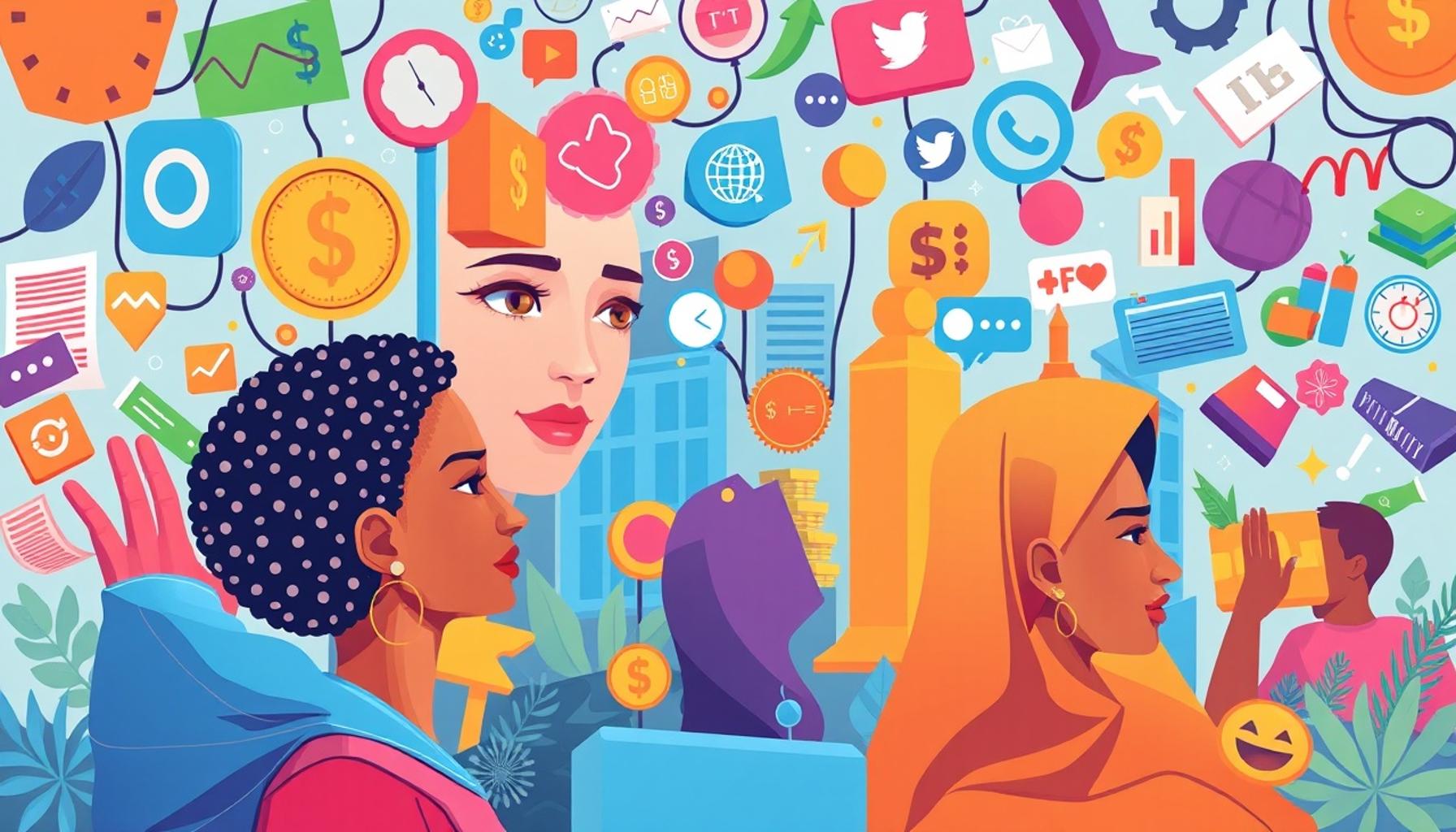
Social media has become an integral part of daily life for millions, and its influence extends far beyond simple communication. It has fundamentally transformed how individuals express themselves and connect with others. Notably, these platforms play a crucial role in shaping and reshaping cultural identities, blending global perspectives with local traditions. By examining how social media influences cultural identity, we can better understand its implications in our modern society.
Global Connectivity is one of the most significant factors in the formation of new cultural identities. With a simple click, users can communicate with people from all around the world, accessing a variety of cultural practices and norms. For instance, a college student in California might learn about traditional Indian festivals through their friends from India on Instagram, leading to a fascination with the food, dress, and customs associated with these celebrations. This exposure can inspire them to incorporate these elements into their own cultural practices, enhancing their personal identity while promoting cultural exchange.
Community Building on social media is also critical in shaping individual identities. Users often come together in online spaces dedicated to particular interests, such as anime, environmental activism, or LGBTQ+ rights. These groups foster a sense of belonging and create a shared identity among members. For example, through platforms like TikTok, users can find communities that embrace shared experiences related to mental health or body positivity. These interactions not only validate personal experiences but also promote communal support and understanding, thereby strengthening cultural ties.
Self-Expression is another powerful aspect facilitated by social media. Platforms provide individuals with a medium to showcase their perspectives and creativity. Artists, writers, and influencers use social media to express themselves through various forms of content, from music to visual arts. This sharing can influence cultural trends, as seen with the rise of social media sensations who spark fashion trends or social movements, such as the #MeToo movement, which has resonated with people globally, emphasizing shared experiences and collective identity.
To illustrate, consider a teenager from a small town in Texas who discovers subcultures through the popular app TikTok. They may adopt urban slang, fashion styles, and even social values reflected in these communities. This process enriches their identity by weaving in influences from different regions and backgrounds.
As we continue to embrace an interconnected world, understanding the impact of social media on cultural identity is essential. This understanding not only helps individuals navigate their identities but also fosters societal comprehension of diversity and inclusion. By acknowledging and appreciating the complex interplay between social media and cultural identity, we can better appreciate the unique identities that emerge in this digital age.
LEARN MORE: Click here for deeper insights
Expanding Cultural Horizons
The influence of social media on cultural identity can first be understood through its ability to expand cultural horizons. As users engage with diverse content and narratives, they gain exposure to global cultures that were previously inaccessible. This shift is particularly noticeable among younger generations, who often see their cultural identities as fluid and ever-evolving.
Platforms like Instagram, Facebook, and Twitter provide a plethora of information that is not limited by geographical borders. For example, consider a high school student in Michigan who comes across a viral video about the vibrant street art scene in Buenos Aires. Captivated by the artist’s work and the stories behind it, they may feel inspired to explore their local community’s art culture more deeply, reflecting an intercultural dialogue that was not as easily accessible in the past. This interaction not only enriches the student’s understanding of art itself but also encourages them to appreciate various forms of expression from different parts of the world.
Embracing New Norms through social media also plays a pivotal role in shaping cultural identities. As individuals engage with online communities that challenge conventional values, they may adopt new beliefs and practices. For instance, the increasing visibility of mental health discussions on platforms such as TikTok and Instagram has drastically changed the narratives surrounding mental well-being, particularly among younger users. They find support and acceptance through shared struggles, which often leads to a shift in how mental health is perceived within their immediate cultural context.
Furthermore, alongside the acceptance of new norms comes the opportunity for individuals to redefine their identities. Social media empowers users to curate their online personas, allowing them to present aspects of their identities that might not align with their offline lives. This phenomenon is particularly evident within the LGBTQ+ community, where platforms can provide a safe space to explore and express various identities. For example, a young person who may feel constrained by their traditional environment can create content that celebrates their authentic self, connecting with like-minded individuals across the globe. In this way, social media becomes a catalyst for personal growth and cultural evolution.
Core Influences Shaping Cultural Identity
Several core influences emerge as we explore how social media shapes new cultural identities:
- Access to Diverse Perspectives: Users can interact with content from varied backgrounds, allowing for a deeper understanding of global cultures.
- Community Engagement: Online platforms create spaces where individuals can connect with others who share their interests and experiences, reinforcing a sense of belonging.
- Trend Creation: Social media has a direct impact on what is considered ‘trendy’ in fashion, music, and art, shaping cultural consumption and preferences.
By appreciating these influences, we can better understand how social media acts as a dynamic force in the ongoing formation and transformation of cultural identities. This ongoing process highlights the importance of embracing both global and local elements as individuals navigate their identities in an increasingly interconnected world.
DISCOVER MORE: Click here for a step-by-step guide
Redefining Cultural Narratives
As social media users engage with diverse content, they not only expand their horizons but also begin redefining cultural narratives. In this digital age, social media acts as a powerful platform for storytelling, where individuals and communities can share their experiences and traditions, reshaping collective understandings of culture. Take, for instance, the rise of #BlackGirlMagic on platforms like Instagram: this campaign celebrates the uniqueness and achievements of Black women, reframing societal narratives that often marginalize their voices.
This redefinition of cultural narratives extends to discussions surrounding cultural heritage as well. For many individuals, social media serves as a tool to reclaim and celebrate their roots. Consider a college student of Latinx descent who shares family recipes and cultural rituals on TikTok. Their posts not only preserve these traditions but also invite others—regardless of their backgrounds—to learn and appreciate Latinx culture. This mixing of cultural expressions fosters a sense of unity and shared experiences, allowing for a blended identity that honors the past while embracing the future.
The Role of Influencers and Icons
Another significant aspect of social media’s influence on cultural identity is the role of influencers and cultural icons. Influencers have the ability to sway opinions and shape behaviors, making them vital players in the conversation around cultural identity. Brands and media outlets increasingly collaborate with diverse influencers to reach younger audiences, thereby promoting representation and inclusivity.
For example, the outspoken advocacy of celebrity figures on platforms such as Twitter and Instagram can bring awareness to underrepresented causes. When a popular musician speaks out on social justice issues, their millions of followers may be inspired to engage with those topics. As a result, these conversations trickle down into the followers’ lives, influencing their perspectives and encouraging them to explore new cultural appreciations and understandings.
- Representation Matters: The visibility of diverse influencers empowers followers to embrace their own unique identities while seeing reflections of themselves in popular culture.
- Social Movements: Hashtags and online campaigns like #MeToo and #BlackLivesMatter gain traction on social media, encouraging individuals to align with movements that resonate with their values.
- Creative Collaborations: Artists from various cultural backgrounds can collaborate on projects that blend different styles, further shaping cultural consumption in exciting and innovative ways.
This shift in dynamics provides a powerful reminder that users today not only consume culture but actively shape it, contributing to a broader understanding of cultural identity as fluid and collective. The influencers and creators of social media enable followers to forge new connections, often revisiting and reconstructing cultural identities in profound ways.
The Impact of Viral Trends
The phenomenon of viral trends on social media platforms also plays a critical role in popularizing certain aspects of culture. TikTok dances often bring traditional cultural movements to the forefront, while hashtags can promote lesser-known music styles or art forms. For example, the viral dance challenges may incorporate cultural dances that reach millions of viewers, sparking interest in their origins and significance. This not only allows a form of cultural appreciation but can also lead to cultural appropriation if not handled respectfully.
The rapid nature of trends creates a cultural dialogue that is ever-evolving. As users participate in these trends, they contribute to amplifying cultural expressions, celebrating diversity, and occasionally prompting discussions about ethics in cultural exchange. This interplay shapes how individuals perceive their own cultural backgrounds while creating opportunities for dialogue between different groups, ultimately leading to a rich tapestry of cultural identities.
DIVE DEEPER: Click here to learn how to apply
Conclusion
In summary, social media undeniably serves as a significant catalyst in the formation of new cultural identities. Through platforms that allow for storytelling, sharing of experiences, and the mixing of diverse cultural expressions, individuals are empowered to redefine and celebrate their identities in ways that resonate with contemporary values. The role of influencers and cultural icons has transformed the landscape of cultural representation, encouraging followers to engage with meaningful narratives and movements that challenge the status quo.
Furthermore, the impact of viral trends fosters a dynamic cultural dialogue, enabling users to experience and appreciate different cultural practices while also sparking necessary discussions about cultural appropriation and respect. As this digital interaction continues to evolve, it cultivates not only a sense of belonging but also creates an inclusive environment that respects individual heritages while embracing shared experiences.
Ultimately, what we see today is a cultural tapestry that is richer and more diverse than ever before, shaped by the collaborative and creative spirit of an interconnected world. As the boundaries of culture dissolve in this digital age, we are called to be both conscious consumers and active participants in cultural exchange, ensuring that we honor the traditions of the past while carving out innovative identities for the future. In doing so, we can build a culture that is reflective of our shared humanity, ultimately paving the way for a more inclusive society.

Linda Carter
Linda Carter is a writer and expert known for producing clear, engaging, and easy-to-understand content. With solid experience guiding people in achieving their goals, she shares valuable insights and practical guidance. Her mission is to support readers in making informed choices and achieving significant progress.