The Convergence Between Augmented Reality and Cultural Experiences: The Future of Museums and Events
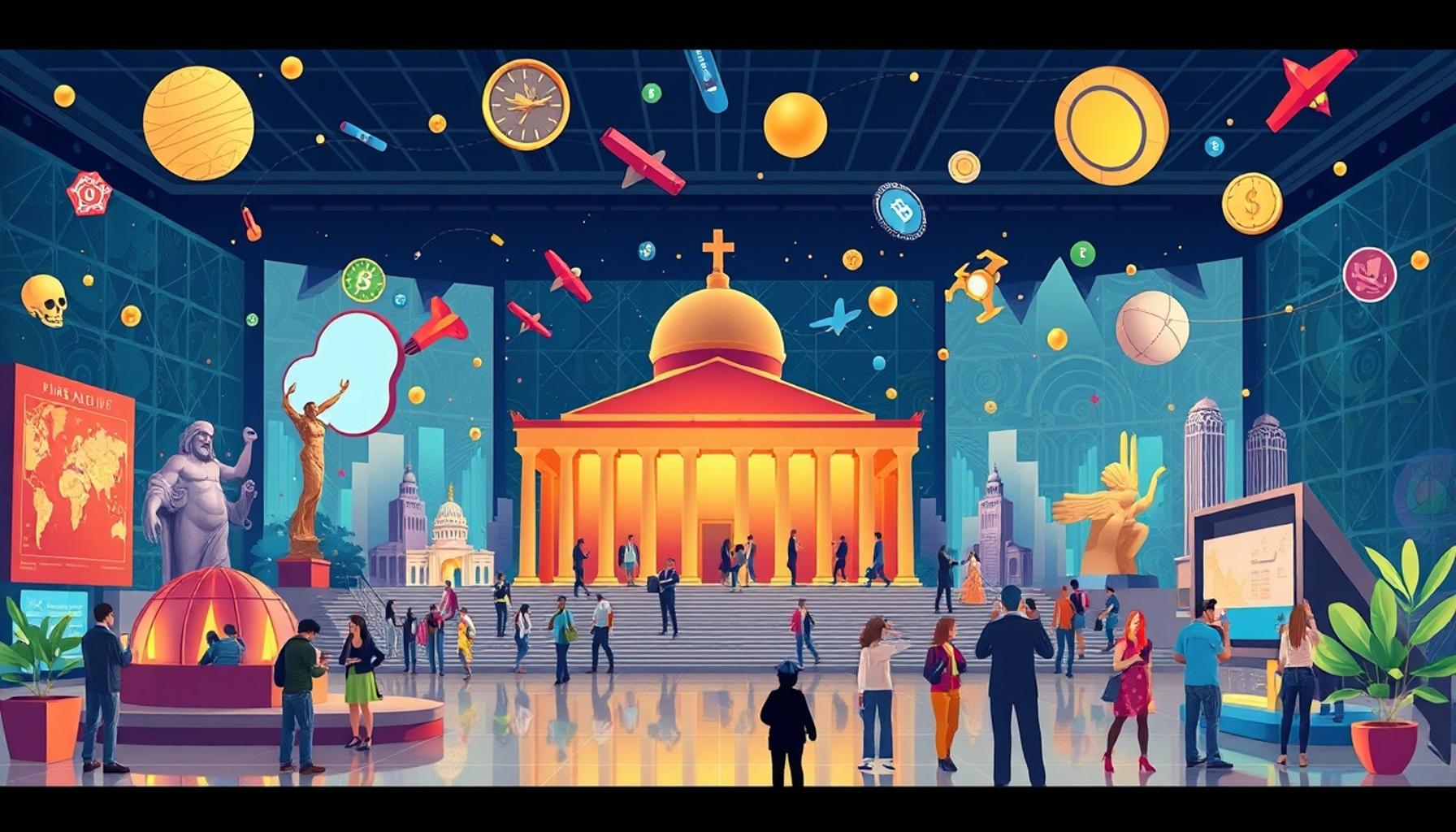
Understanding Augmented Reality in Cultural Spaces
The integration of Augmented Reality (AR) into cultural experiences is reshaping the way we interact with our history and artistic heritage. By blending digital elements with the physical world, AR revitalizes museums and cultural events, allowing visitors to engage in ways that were unimaginable just a few years ago. This innovative technology doesn’t just enhance the visual appeal of exhibits; it fundamentally alters how we understand and appreciate cultural narratives.
Consider a visit to a prominent museum, such as the Smithsonian in Washington, D.C. With AR, you could scan a historical painting with your smartphone, unveiling a virtual overlay that not only explains the artist’s techniques but also immerses you in the historical context surrounding the artwork. By tapping on this AR feature, visitors might see a re-creation of the scene depicted in the painting, with historical figures interacting and sharing insights about their lives. This kind of interactive experience allows for a deeper connection and understanding, transforming a passive viewing into an engaging educational trip.
The advantages of incorporating AR into cultural institutions are manifold:
- Enhancing visitor learning and education: Through interactive storytelling, AR makes learning about history more engaging. By visualizing complex historical events in 3D, visitors gain a clearer understanding of timelines, relationships, and impacts.
- Attracting a younger audience: Today’s audiences, particularly younger generations, are increasingly seeking immersive experiences that incorporate technology. AR appeals to their desire for engagement, encouraging more frequent visits to cultural sites.
- Creating unforgettable events: AR-driven cultural events, such as art walks and historical reenactments, enable participatory experiences where visitors can act and contribute to the story being told, leading to memorable interactions.
In recent years, museums like the British Museum have successfully implemented AR in exhibitions, allowing visitors to view artifacts as they originally appeared in their historical context. Similarly, events such as the Van Gogh Exhibit have demonstrated how immersive AR installations can breathe new life into well-known artworks, captivating the audience and making art accessible to all.
As we look to the future, the potential for AR in the cultural landscape is vast. With ongoing advancements in technology, we may see even more innovative applications that not only educate but also inspire individuals to explore and appreciate the richness of global cultures. The convergence of technology and culture through AR is not just a trend; it is a promising frontier that encourages us all to engage more deeply with the world around us.
DISCOVER MORE: Click here to learn how to overcome financial stress
The Transformative Impact of AR on Museum Experiences
The introduction of Augmented Reality (AR) in museums marks a pivotal shift in how we consume cultural content. Historically, museums have been places where artifacts and art were displayed in static settings, often accompanied by little more than labels or placards. However, with the integration of AR, visitors are now able to access dynamic and interactive experiences that enhance their appreciation for cultural heritage. This technology allows for the creation of rich, layered narratives that breathe life into exhibits and artifacts.
One notable application of AR in museums is the ability to provide context for artifacts that might otherwise be misunderstood or overlooked. For instance, visitors at the Metropolitan Museum of Art in New York City can use AR apps to see what the museum’s ancient Egyptian artifacts looked like in their original settings. By holding up their devices, they can observe animated scenes that depict the objects as they would have existed thousands of years ago, complete with soundscapes and virtual characters representing historical figures. This immersive experience invites a more comprehensive understanding of the significance of these artifacts within their cultural context.
In addition to contextualizing artifacts, AR can serve multiple purposes that cater to diverse audiences. Below are a few key ways AR enriches cultural experiences:
- Personalized Tours: AR can guide visitors on personalized journeys through exhibitions, tailoring information based on their interests. This could mean focusing on a specific art period for an art enthusiast or unveiling the scientific principles behind ancient technologies for curious minds.
- Real-time Interactions: With AR, museums can facilitate real-time interactions where visitors can ask questions, and the system provides immediate responses by accessing a wealth of knowledge stored in databases. This level of interactivity keeps visitors engaged and fuels curiosity.
- Collaborative Experiences: Some museums are using AR to create team-based games or challenges that encourage collaborative exploration. Visitors might work together to solve puzzles that reveal deeper insights about the exhibits, fostering a sense of community as they learn.
Furthermore, events that leverage AR can create unforgettable experiences. Consider festivals or exhibitions created around famous artists; using AR, attendees can witness the transformation of a blank canvas into a masterpiece while learning about the artist’s process and inspirations in real time. Events such as these not only draw in larger crowds but also engage individuals of all ages, making cultural learning more approachable and enjoyable.
The future of AR in cultural experiences is an exciting journey, brimming with potential to elevate the ways we engage with history and the arts. As museums and cultural institutions continue to embrace this technology, they not only keep pace with innovation but also nurture a deeper connection between visitors and the richness of human culture — an essential connection in our increasingly digital world.
LEARN MORE: Click here to discover how to improve your credit score
Expanding Accessibility Through AR Technology
As the integration of Augmented Reality (AR) continues to reshape cultural experiences, it’s equally important to consider how this technology broadens accessibility for diverse audiences. Museums have often been criticized for being elitist spaces that can alienate visitors who might feel overwhelmed by academic jargon or the solemn atmosphere. AR presents an innovative solution to this challenge by making culture more approachable and engaging for everyone.
One of the significant advantages of AR is its capacity to cater to varying learning styles. For instance, visual learners can benefit from the vivid animations and graphics that AR offers. Auditory learners can engage with audio storytelling that accompanies visual elements, providing a multisensory experience that accommodates individual preferences. This caters to the needs of people from different educational backgrounds while enriching their visits.
Moreover, AR can assist in making museums more inclusive for visitors with disabilities. Certain AR applications offer features like audio descriptions and sign language interpretations, ensuring those with visual or hearing impairments can fully engage with the content. For example, the Smithsonian Institution has experimented with AR installations that narrate exhibits in multiple formats, thus empowering visitors with inclusive options to interact with cultural narratives.
Bridging the Gap between Physical and Digital Environments
AR also facilitates a seamless blend between the physical and digital environments within cultural spaces. Through AR, visitors can access additional information and resources on their mobile devices or AR glasses, enhancing real-world artifacts with layers of digital content. For example, at the Museo di Capodimonte in Naples, Italy, an AR experience enables visitors to view high-resolution details of famous paintings right on their smartphone screens, allowing them to zoom in on brushstrokes and textures that might be missed with the naked eye.
This bridging of realities encourages a deeper, more thoughtful engagement. As visitors read labelling information or gaze at an object, they are also prompted to explore related digital artifacts or stories, thereby extending their understanding beyond what is presented physically in the museum. In this way, AR transforms a visit into a comprehensive journey where learning intertwines with exploration.
Fostering Lifelong Learning and Community Engagement
AR’s role in museums transcends mere enhancement of exhibits; it actively fosters lifelong learning. By providing engaging educational content, museums can host community workshops or special events that utilize AR to promote collective learning experiences. For example, family-oriented days that focus on AR scavenger hunts throughout the museum can be an entertaining way to teach children about art history while fostering a bond between families and their cultural institutions. Children can engage with characters from history or famous artists through AR, invoking their creativity as they solve challenges and complete tasks.
In addition, AR facilitates the outreach efforts of museums to underserved communities. By creating mobile applications that enable users to experience exhibits remotely or through pop-up installations in local neighborhoods, museums can democratize access to culture and arts. This approach is especially relevant in urban settings where transportation or entry fees might hinder access to cultural institutions. In essence, AR empowers museums to reach individuals who may have never set foot within their walls, ultimately nurturing a broader appreciation for diverse cultures.
DIVE DEEPER: Click here to uncover smart savings tips
Embracing the Future of Cultural Experiences
In conclusion, the convergence of Augmented Reality (AR) with cultural experiences signals a transformative era for museums and events. This innovative technology not only enhances accessibility but also creates a more inclusive environment for diverse audiences, allowing everyone from art enthusiasts to casual visitors to engage meaningfully with cultural narratives.
As we have discussed, AR fosters a multisensory approach to learning, accommodating various educational needs through visual and auditory experiences. Furthermore, by integrating digital elements with physical artifacts, AR provides a richer context that encourages deeper exploration and understanding of history and art. This not only captivates the curiosity of visitors but also transforms their museum visits into interactive journeys filled with discovery.
Moreover, AR’s role in promoting community engagement and lifelong learning cannot be overlooked. By creating opportunities for dynamic workshops and outreach, museums can effectively bridge the gap between cultural institutions and underserved communities. This ensures that the beauty and knowledge contained within museums are not confined to their walls but are shared widely.
As we look forward, the future of museums and cultural events lies in embracing and optimizing AR technology. This integration will undoubtedly enrich not only individual experiences but also expand the societal impact of cultural institutions, fostering a greater appreciation for our shared heritage. In this way, AR stands as a powerful ally in enlightening and uniting people through the universal language of culture.

Linda Carter
Linda Carter is a writer and expert known for producing clear, engaging, and easy-to-understand content. With solid experience guiding people in achieving their goals, she shares valuable insights and practical guidance. Her mission is to support readers in making informed choices and achieving significant progress.