The Evolution of Renewable Energy Technologies: Implications for Sustainability and the American Economy
Understanding Renewable Energy Technologies
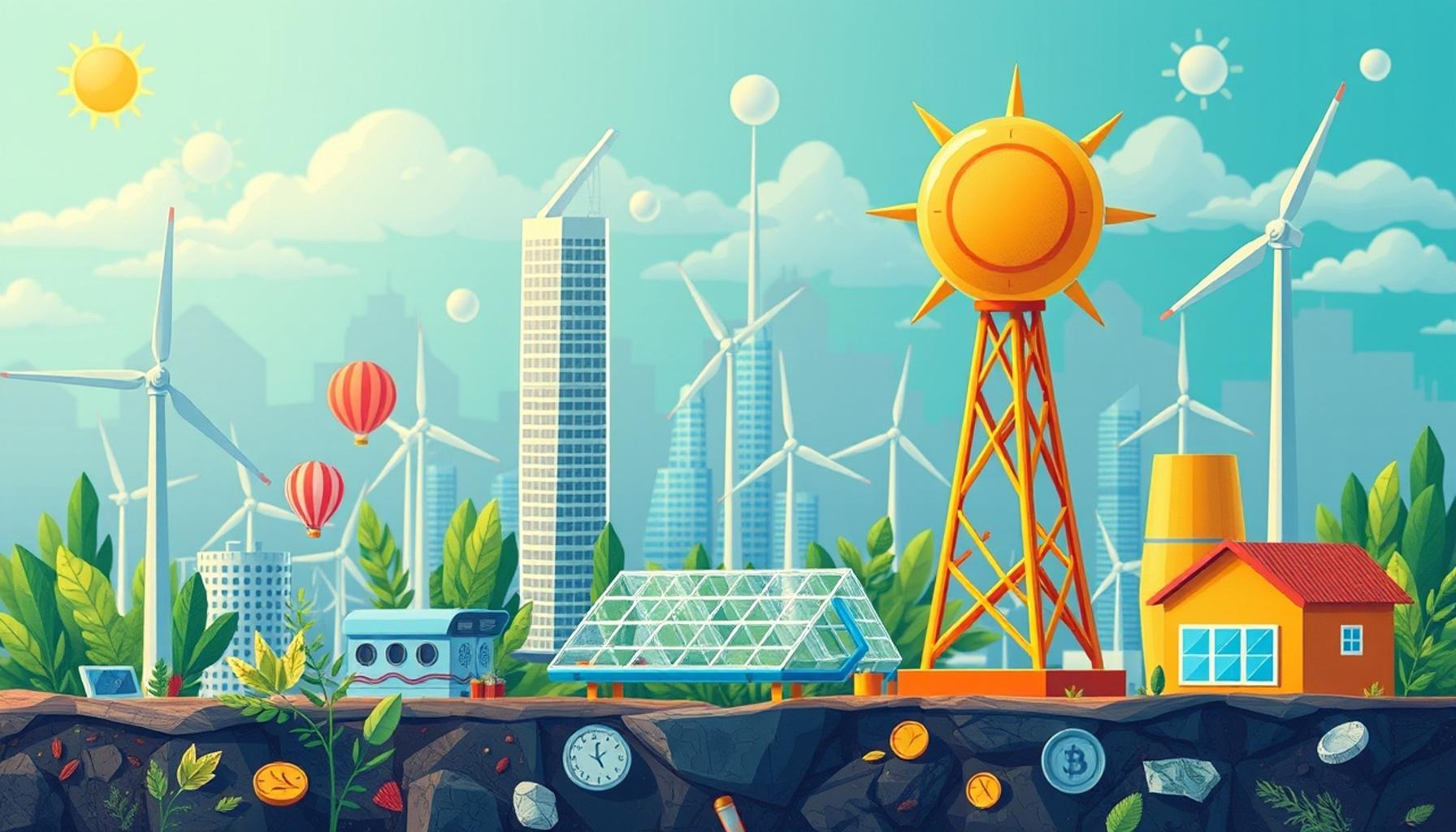
The evolution of renewable energy technologies has been nothing short of transformative, especially in light of the escalating urgency surrounding climate change. As we strive to lessen our carbon footprint and embrace more sustainable practices, it’s crucial to recognize the multifaceted implications of these technological advancements on sustainability and the American economy.
Renewable energy technologies have progressed significantly over the years, moving from initial concepts to practical, scalable solutions that reflect our commitment to a greener future. Let’s delve into a few prominent examples:
- Solar Power: Early solar panels utilized basic photovoltaic (PV) cells that were often bulky and inefficient. Today’s innovations have led to the development of high-efficiency solar cells and flexible materials that can be integrated into various surfaces, such as windows and roofs. Furthermore, large-scale solar farms now generate substantial power, contributing to grid stability and energy independence.
- Wind Energy: The journey started with small-scale turbines that catered to localized energy needs. Now, massive offshore wind farms stretch across coastlines, harnessing stronger and more consistent winds. The Block Island Wind Farm off the coast of Rhode Island, for instance, serves as a pioneering model, demonstrating the potential of offshore wind for clean energy generation.
- Hydropower: While traditional hydropower has been a staple of energy generation for decades, recent innovations focus on improving the efficiency of existing dams. Moreover, the introduction of small-scale, run-of-the-river projects aims to reduce ecological impacts while harnessing river currents to produce power sustainably.
These renewable technologies contribute significantly to diminishing our reliance on fossil fuels, which are a primary driver of climate change. However, their impact extends far beyond environmental considerations. A notable aspect of this transition is the potential for economic growth and job creation. Investments in renewable energy sectors lead to numerous job opportunities in manufacturing, installation, maintenance, and research development.
Economic Implications of Renewables
Government policies play a pivotal role in shaping the trajectory of the renewable energy sector. For instance, the implementation of tax credits, subsidies, and grants can incentivize investment in renewable projects, making them more competitive with traditional energy sources. The federal Investment Tax Credit (ITC) for solar energy has dramatically boosted energy production, illustrating the potential benefits of supportive legislation.
Looking Ahead: Future Trends
As we look to the future, several trends could significantly reshape the energy landscape. Innovations such as energy storage technologies, smart grid systems, and decentralized energy production are fetching attention. These advancements not only promise to enhance energy efficiency but also empower consumers to control their energy consumption more effectively.
In understanding these dynamics, we gain insight into the invaluable role renewable energy plays in crafting a sustainable future for both our planet and our economy. By actively supporting renewable initiatives, we can work towards a cleaner environment while fostering economic resilience for generations to come.
DISCOVER MORE: Click here to learn how to maximize your savings!
The Economic Implications of Growing Renewable Energy Adoption
The rapid expansion of renewable energy technologies presents a multitude of economic opportunities for the United States. As these technologies become more accessible and cost-effective, they are increasingly recognized not only for their environmental benefits but also for their potential to revitalize local economies and enhance job growth. Specifically, the shift towards renewable energy can contribute significantly to several key economic areas.
- Job Creation: The renewable energy sector has proven to be a powerhouse of job creation. In 2020 alone, the solar and wind industries employed over 260,000 workers in the U.S. These jobs range from manufacturing and installation to maintenance and research, reflecting the diverse skill sets required to support this growing industry. In contrast, traditional fossil fuel industries have seen stagnation and decline in employment numbers, highlighting the significant potential of renewables to offer stable and lasting jobs.
- Investment Opportunities: The growing market for renewable energy opens avenues for both public and private investment. With government incentives, such as tax credits and grants, investors are increasingly targeting renewable projects. For example, the rise of community solar programs allows individuals, businesses, and municipalities to invest in solar energy collectively. These investments not only provide returns but also promote energy independence and local resilience.
- Energy Independence: By investing in renewable energy technologies, the U.S. can reduce its reliance on imported fossil fuels, thus enhancing national security. The ability to produce energy domestically empowers states to retain more of their energy expenditure within local economies, fostering growth and sustainability. Transitioning to renewable sources means that local communities can harness energy from their own environments, promoting economic stability.
The implications of these economic opportunities are profound. For instance, with the state of California leading the way, renewable energy accounts for a significant portion of the state’s energy portfolio. As a result, the state not only aims for ambitious climate goals but also harnesses substantial economic growth arising from both job creation and technological innovation.
Moreover, the technologies related to renewables, such as energy storage and electric vehicle (EV) development, transcend traditional energy boundaries. Electric vehicles, for example, are tied to the expansion of renewable energy grids, facilitating a transition to cleaner transportation solutions. This trend has created new markets and technological advancements, simultaneously combating pollution and driving economic growth.
Navigating Policy and Investment in Renewables
Understanding how government policy influences renewable energy development is critical. Policies at the federal, state, and local levels can enhance or hinder progress. The integration of favorable policies—like the federal Production Tax Credit (PTC) for wind energy—has been instrumental in increasing the capacity of renewable energy sources. Likewise, initiatives to streamline permitting for projects can significantly reduce barriers and accelerate deployment.
In summary, the evolution of renewable energy technologies is intricately linked to economic growth and sustainability. By fostering a favorable environment for renewable initiatives, we can not only mitigate climate change impacts but also build a robust economic framework that benefits both present and future generations. This ongoing transition towards sustainable energy solutions highlights the potential for the United States to harness the dual benefits of environmental stewardship and economic resilience.
DON’T MISS OUT: Click here to uncover the secrets
Technological Advancements Driving Renewable Energy Growth
As renewable energy technologies evolve, they are becoming increasingly efficient and versatile, making them more appealing to both consumers and businesses. These advancements not only drive down costs but also play a vital role in ensuring that the U.S. can meet its energy needs sustainably. Several key technological innovations have emerged that are pivotal in this transformation.
- Energy Storage Solutions: One of the primary challenges with renewable energy sources, such as solar and wind, is their intermittent nature. The sun doesn’t always shine, and the wind doesn’t always blow. However, advancements in energy storage solutions, like lithium-ion batteries and emerging technologies such as flow batteries, are enabling the reliable storage of excess energy generated during peak production times. This stored energy can then be utilized during periods of low production, ensuring a consistent energy supply and enhancing grid reliability.
- Smart Grid Technology: The transition to renewable resources is complemented by the development of smart grid technology. Smart grids integrate advanced communication technologies into the traditional electrical grid, allowing for real-time monitoring and management of energy consumption. This flexibility supports the integration of varied renewable sources into a unified system, enabling efficient energy distribution and optimizing consumption patterns. For instance, with smart meters, consumers can manage their energy use more effectively, potentially lowering their utility bills while contributing to sustainability goals.
- Advanced Solar Technologies: Solar energy has witnessed significant advancements over the last decade. The introduction of bifacial solar panels, which capture sunlight on both sides, and thin-film technologies, which provide lighter and more flexible options, are increasing the efficiency and application range of solar energy systems. These innovations allow for wider adoption across residential, commercial, and industrial sectors, making solar energy a feasible option in various settings.
- Offshore Wind Farms: The development of offshore wind farms has garnered attention for its potential to harness vast wind resources. U.S. coastal states are beginning to invest in this technology, which can produce substantial amounts of energy while minimizing land use conflicts. States like New York and Massachusetts are leading the charge, aiming to establish offshore wind as a cornerstone of their energy strategies, which can create significant job opportunities in manufacturing and installation.
These technological advancements have substantive implications for sustainability as well. For instance, the increased efficiency of renewable energy technologies translates to less waste and lower carbon emissions associated with energy production. Furthermore, innovations that reduce costs can drive broader adoption, allowing more communities to transition to clean energy sources. For example, places like Chicago have embraced community solar initiatives that democratize access to renewable energy, allowing those who may not have suitable rooftops to benefit from solar power.
Challenges and Considerations in the Transition
Despite these advancements, challenges remain in the broader rollout of renewable technologies. Regulatory frameworks must adapt to accommodate new energy landscapes; outdated policies can stifle innovation and slow adoption. Moreover, public acceptance and education on renewable technologies play critical roles in the transition. For instance, as new technologies emerge, misinformation can hinder progress. Clear, accessible information is essential for helping consumers understand the economic benefits of adopting renewable technologies in their own homes and businesses.
In addressing these challenges, partnerships between government, industry, and educational institutions can foster a supportive environment for renewable technologies. By prioritizing research and development and promoting workforce education programs, the U.S. can strengthen its position as a leader in renewable energy. The transformation brought by these technologies is not just about meeting energy needs; it is fundamentally about redefining how the nation interacts with resources to maximize both economic and environmental outcomes.
DISCOVER MORE: Click here for expert strategies
Conclusion
In analyzing the evolution of renewable energy technologies, it becomes evident that we stand at a pivotal moment in shaping both sustainability and the American economy. The rapid advancements in energy storage solutions, smart grid technology, and advanced solar and wind systems not only enhance the efficiency of clean energy sources but also help to mitigate environmental impacts, fostering a healthier planet for future generations. These technologies empower communities by democratizing access to renewable energy, leading to economic opportunities through job creation in the technology and installation sectors.
Moreover, while challenges persist—such as the need for updated regulations and the importance of public education—overcoming these hurdles is essential to fully capitalize on the benefits of renewable energy. By forming strategic partnerships among government, industry, and educational institutions, the U.S. can cultivate a supportive ecosystem that promotes innovation and fosters consumer acceptance.
The implications extend far beyond energy production; transitioning to renewable technologies redefines how the nation utilizes its resources, promoting both economic growth and sustainability. As we continue to embrace these advancements, it is clear that a shift towards renewable energy is not just beneficial but necessary for a prosperous and responsible future. By prioritizing these efforts, we ensure the resilience of our economy while fostering a healthier environment at the same time.

Linda Carter
Linda Carter is a writer and expert known for producing clear, engaging, and easy-to-understand content. With solid experience guiding people in achieving their goals, she shares valuable insights and practical guidance. Her mission is to support readers in making informed choices and achieving significant progress.