Minimalism and Mindfulness: The Connection to Personal Organization

A New Approach to Living Intentionally
In today’s fast-paced society, where the demands of daily life can quickly spiral into chaos, embracing the principles of minimalism and mindfulness offers a refreshing counterbalance. These approaches not only empower individuals to cultivate a more intentional life, but they also enhance personal organization and foster a sense of tranquility amidst the noise of modern living. By simplifying our lives and honing our awareness, we can find a clearer path to productivity and peace.
To better understand this connection between minimalism and mindfulness, let’s explore several facets that illustrate their impact:
- Clarity of Mind: One significant advantage of minimalism is its ability to reduce physical clutter—an often overlooked source of mental distraction. For instance, a decluttered workspace can enhance focus and creativity, as evidenced by studies revealing that people working in tidy environments tend to be more productive and engaged.
- Focused Living: Mindfulness practices encourage individuals to immerse themselves in the present moment, promoting deeper engagement and improved decision-making. For example, simple techniques such as mindful breathing or short meditation sessions can help individuals tune in to their thoughts and feelings, allowing for better responses to stressors rather than impulsive reactions.
- Intentional Choices: Adopting a minimalist mindset compels individuals to make conscious decisions regarding their possessions and daily activities. Consider someone who evaluates their wardrobe and chooses to keep only pieces that resonate with them; this process not only lightens physical load but also translates into a more streamlined decision-making process in daily life.
Research highlights that integrating minimalism and mindfulness into our routines can significantly reduce stress levels and improve overall well-being. A study from the American Psychological Association found that individuals who practiced mindfulness reported feeling less overwhelmed and more in control of their emotions and environments.
As people across the United States grapple with increasing complexities—from the never-ending digital barrage to the pressures of social expectations—embracing minimalist and mindful practices emerges as a promising avenue towards greater satisfaction in life. This article further unpacks how these philosophies intertwine, offering insights on how they can synergistically foster a more organized and fulfilling lifestyle.
By weaving together the threads of simplicity and awareness, individuals can not only clear physical and mental space but also discover a deeper appreciation for life’s rich experiences. In a world that often glorifies excess, the power of minimalism and mindfulness lies in their ability to reveal the profound beauty found in the ordinary.
The Interplay of Simplicity and Awareness
Understanding how minimalism and mindfulness work together to enhance personal organization reveals a fascinating interplay that can transform our day-to-day experiences. At its core, minimalism advocates for a thoughtful reduction of distractions—be they physical, mental, or emotional—while mindfulness emphasizes the importance of being present and intentional. By merging these two philosophies, individuals can harness their collective power to create a more organized life.
To delve deeper into this relationship, consider the following key components that illustrate how minimalism and mindfulness can lead to a more organized and fulfilling existence:
- Decluttering the Mind: Just as physical clutter can weigh us down, mental clutter can cloud our judgment and hinder productivity. Embracing minimalism encourages the removal of unnecessary items which, in turn, can facilitate clearer thinking. A study published in the journal *Environment & Behavior* suggests that reducing clutter in one’s environment can have a positive impact on cognitive performance and emotional well-being.
- Mindful Awareness: Practicing mindfulness allows individuals to cultivate a heightened awareness of their surroundings and emotional states. Techniques such as body scans and reflective journaling can enhance one’s ability to notice when stressors arise. When combined with minimalism, this awareness can lead to discerning what truly matters and prioritizing tasks accordingly, resulting in an improved organization of time and resources.
- Streamlined Decision Making: Minimalism encourages a more selective approach to possessions, promoting choices that align with one’s values and goals. For instance, someone methodically paring down their digital files or social media connections is not just decluttering; they are also creating space for more meaningful interactions and engagements. This process simplifies decision-making, enabling individuals to allocate their energy to what truly enriches their lives.
- Reduced Decision Fatigue: As the number of choices expands—particularly in a consumer-driven society—decision fatigue can quickly set in. The minimalist perspective can help reduce the sheer volume of decisions individuals must make daily. For example, a simplified morning routine focusing on a capsule wardrobe allows for quicker, stress-free outfit choices, freeing mental bandwidth for more significant tasks.
The synergy between minimalism and mindfulness not only cultivates a sense of balance but also aligns with the growing trend toward sustainable living. The organization is enhanced when we make conscientious choices about the things we own and the practices we adopt. By fostering an environment that prioritizes simplicity, we create a space that encourages both clarity and focus.
As we navigate the complexities of modern life—from an inundation of information to the demands of our professional and personal responsibilities—pairing these two philosophies can offer a map towards a more organized and intentional existence. This harmonious blend of decluttering our environments and enhancing our present-moment awareness will enable us to experience life more fully, ensuring that that we are engaged and focused in our pursuits.
Minimalism and Mindfulness: The Connection to Personal Organization
In today’s fast-paced world, the strategies of minimalism and mindfulness play a pivotal role in enhancing personal organization. By stripping away excess distractions and focusing on what’s genuinely important, individuals can cultivate a life of clarity and purpose. The integration of these concepts not only alleviates stress but also fosters a more productive environment where intentional actions thrive.
Engaging with minimalism can lead to greater mental clarity. The less clutter you have, both physically and emotionally, the easier it becomes to make informed decisions, ultimately enhancing your organization skills. Alongside this, mindfulness encourages being present in the moment, allowing you to prioritize tasks according to their significance rather than their urgency. This shift in perspective can drastically improve time management and reduce feelings of overwhelm.
| Advantages of Minimalism | Impact on Personal Organization |
|---|---|
| Decluttering | Enhances focus and reduces distractions. |
| Simplicity | Facilitates a straightforward decision-making process. |
| Intentionality | Encourages alignment of actions with personal values. |
Both minimalism and mindfulness are vital in steering your organizational journey. They not only help in managing your time efficiently but also in aligning your goals with your values, ensuring a coherent pathway to success. Embracing these principles can transform mundane routines into meaningful practices that propel personal growth and development.
Embracing Minimalist Practices for Mindful Organization
The intersection of minimalism and mindfulness extends beyond mere decluttering; it also encompasses an adoption of intentional practices that promote organization in diverse aspects of life. By embracing minimalist practices, individuals can cultivate a more mindful approach to their personal and professional environments, unlocking new levels of efficiency and tranquility.
Here are several impactful strategies that embody the fusion of minimalism and mindfulness, enhancing personal organization:
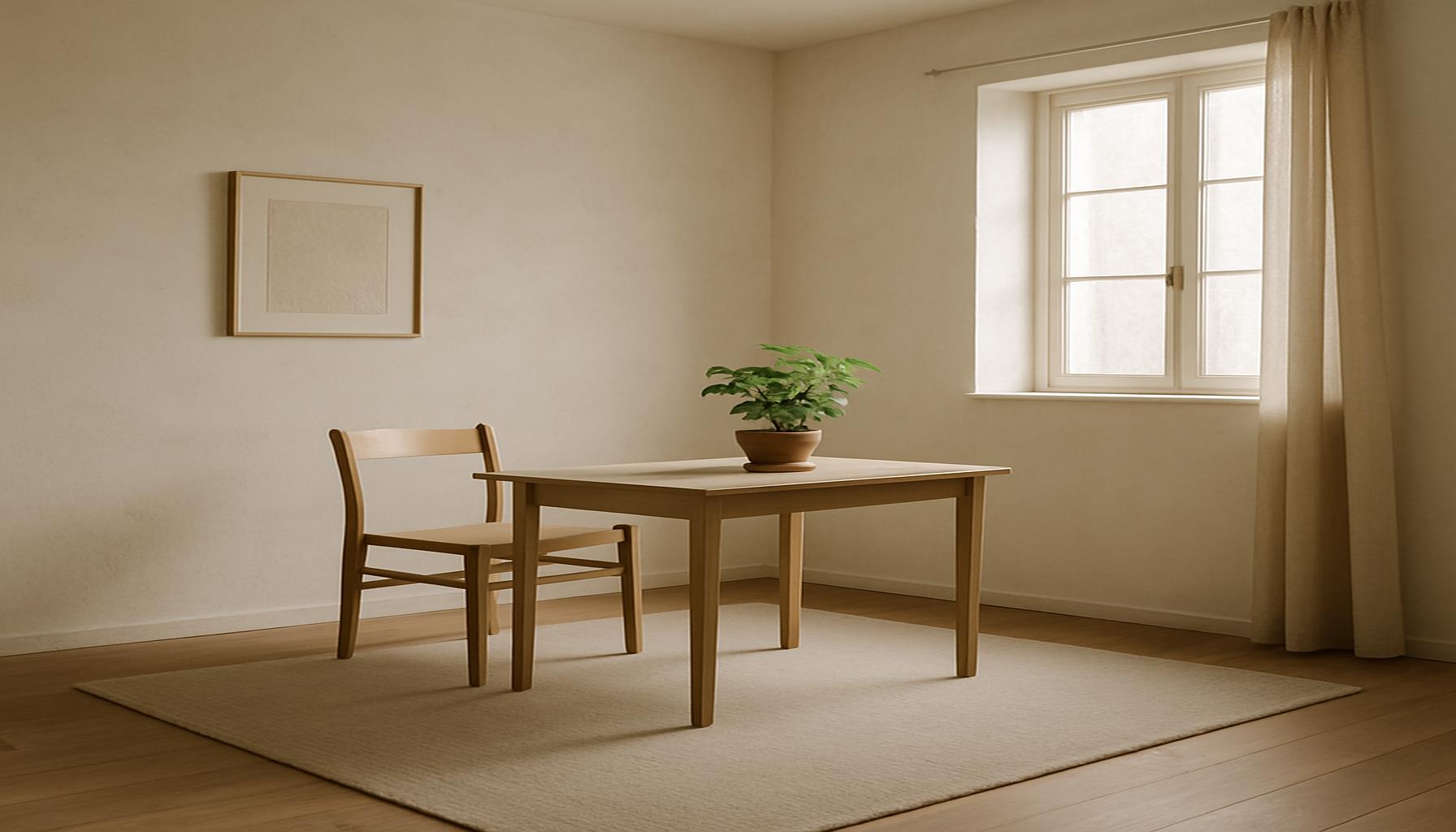
- Intentional Space Design: Creating a workspace that reflects minimalist principles can significantly boost productivity. By utilizing a clean, uncluttered desk with only essential tools for work, individuals can reduce visual distractions. Research indicates that environments with fewer distractions lead to improved focus and creativity. Incorporating elements such as natural light and plants can further enhance the mindful ambiance.
- Digital Minimalism: In a world increasingly dominated by technology, practicing digital minimalism is vital. This approach involves auditing one’s digital presence, including emails, apps, and social media accounts, and eliminating those that aren’t serving a meaningful purpose. A 2020 study highlights that reducing digital clutter leads to decreased stress and improved satisfaction, allowing for more intentional use of technology in everyday life.
- Time Management through Minimalism: Adopting a minimalist approach to time management involves prioritizing tasks that yield the highest value while minimizing engagement in low-impact activities. Tools like the Eisenhower Matrix can help individuals categorize tasks based on urgency and importance, leading to greater clarity about what deserves attention. The practice encourages a mindful check-in with one’s daily tasks, creating a focused path forward.
- Mindful Consumption: Minimalism encourages a thoughtful evaluation of purchases, inspiring consumers to ask questions such as “Do I need this?” and “Will this add value to my life?” This mindset reduces impulse buys and fosters an awareness of consumer behaviors that often lead to clutter. As research published in *The Journal of Consumer Research* shows, consumers who engage in mindful consumption report greater satisfaction with their purchases and less clutter-related stress.
- Routine Reflection and Adjustment: Integrating mindfulness into daily routines allows individuals to assess how effectively they are utilizing their organizational strategies. Setting aside time for weekly reflections can reveal insights regarding what practices are most beneficial, allowing for adjustments that cater to changing needs and habits. This practice not only aligns with minimalism’s goal of reducing unnecessary actions but also enhances overall effectiveness in organizing life.
The conscious decision to streamline various aspects of life through minimalist practices creates a cascade effect, enabling individuals to embrace a more organized and purposeful path. By aligning organizational habits with mindfulness, a deeper sense of fulfillment emerges. This approach fosters resilience against the distractions and chaos of daily life while encouraging a more profound appreciation for simplicity.
As mindfulness and minimalism continue to gain traction in contemporary society, the relevance of their combined principles becomes increasingly evident, leading individuals to explore innovative methods of personal organization tailored to their unique lifestyles.
Conclusion: The Transformative Power of Minimalism and Mindfulness
As we navigate the often chaotic modern world, the principles of minimalism and mindfulness present powerful tools for personal organization that can transform our lives. By intentionally simplifying our physical and digital spaces, we allow for greater mental clarity and focus, fostering an environment where productivity and creativity can thrive. Adopting practices such as digital minimalism and mindful consumption helps individuals to cultivate a healthier relationship with their belongings and their time, leading to reduced stress and improved satisfaction.
Moreover, the integration of these principles into daily routines creates a reflexive practice of reflection and adjustment, encouraging ongoing personal growth. Acknowledging that life’s demands are ever-changing motivates individuals to continually evaluate their organizational strategies. This dynamic approach not only champions efficiency but also enriches lives with purpose and meaning.
In a society that often equates success with busyness and accumulation, embracing minimalism and mindfulness offers a refreshing perspective. It invites us to reclaim our time, enhance our well-being, and live with intention. For anyone seeking a deeper connection between their organizational habits and personal fulfillment, exploring the synergy of these two philosophies is a journey well worth undertaking.
In conclusion, the fusion of minimalism and mindfulness serves as a beacon for those looking to simplify their lives. By committing to these principles, individuals can unlock new pathways to joy and efficiency, ultimately leading to a more organized and balanced existence.

Beatriz
Beatriz Johnson is a seasoned minimalist and writer with a passion for simplifying the complexities of personal organization and decluttering. With over a decade of experience in the field, she specializes in topics like minimalist living, efficient organization strategies, and creating intentional spaces. Through her work, Beatriz empowers readers to make mindful decisions about their belongings, streamline their lives, and embrace a more organized and fulfilling lifestyle.