Budgeting Strategies: How to Create a Sustainable Financial Plan
Understanding Sustainable Financial Planning
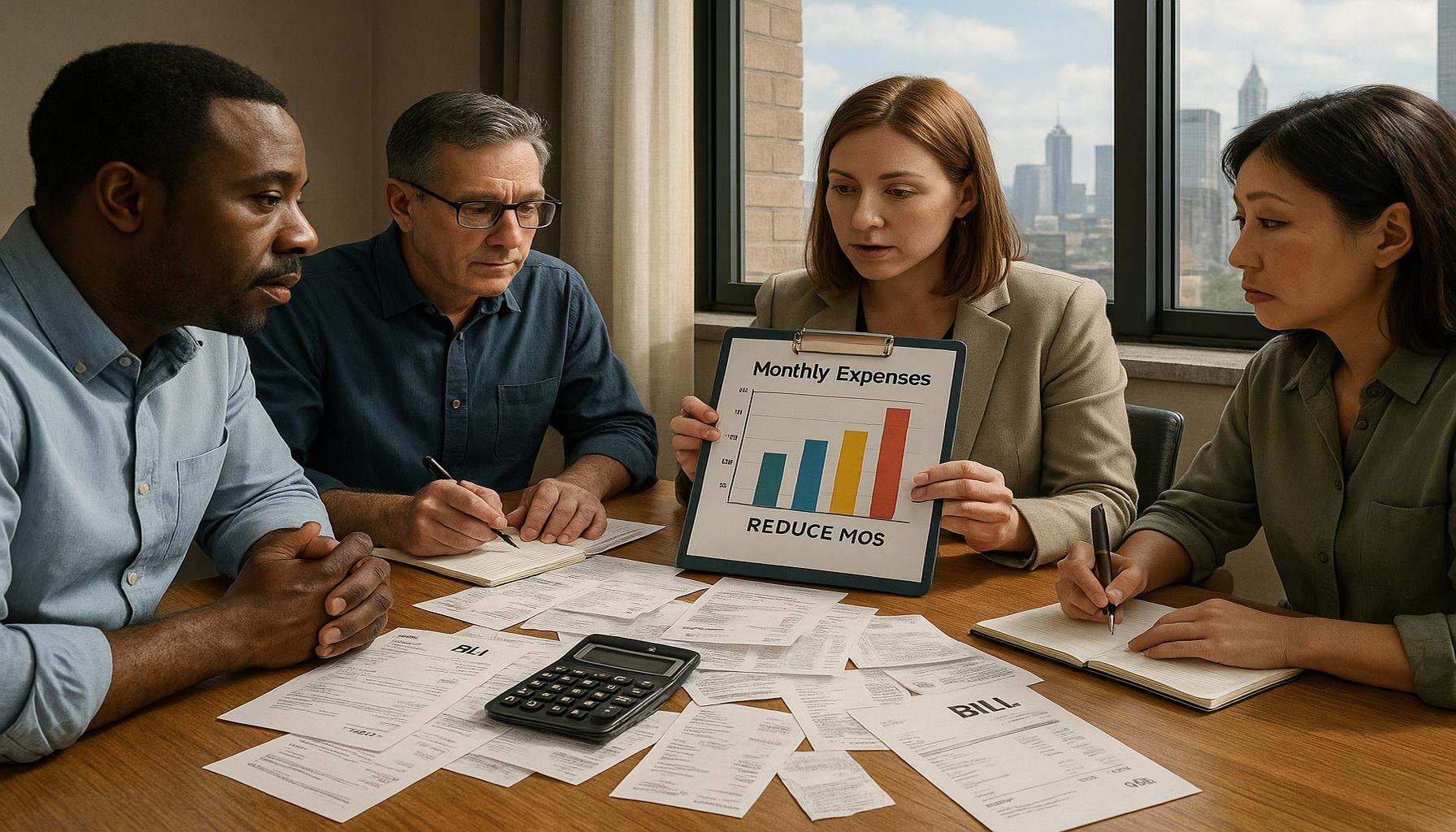
In today’s fast-paced world, understanding how to manage your finances effectively is paramount. Creating a sustainable financial plan goes beyond merely keeping track of income and expenses; it’s about making strategic choices that resonate with your personal values and long-term aspirations. In Canada, a nation characterized by its vast landscapes and diverse economies, the cost of living can fluctuate significantly depending on the city. For instance, while Toronto may feature high property values and rent, smaller towns like St. John’s can provide more affordable living options. Therefore, developing an effective budget tailored to your lifestyle is a necessity.
A budget serves as a financial blueprint that empowers you to take charge of your future. With a well-crafted budget, you can:
- Establish savings for emergencies or future investments, providing a safety net during unexpected situations such as job loss or urgent repairs.
- Manage day-to-day expenses without feeling overwhelmed, allowing for a balanced lifestyle with less financial stress.
- Set realistic financial goals that motivate you, such as saving for a down payment on a home or funding a child’s education.
Many Canadians face challenges with financial management—from students burdened by educational loans in cities like Vancouver to young professionals navigating the competitive housing market in Calgary. However, by adopting practical budgeting strategies, you can reclaim control over your finances, paving the way toward achieving your aspirations. Whether you’re dreaming of purchasing your own condo in bustling downtown Toronto or planning an adventurous family vacation to the breathtaking Canadian Rockies, having a solid plan is crucial for success.
Exploring Effective Budgeting Techniques
In this guide, we will delve into various budgeting techniques that cater to diverse lifestyles and financial circumstances. These include:
- The 50/30/20 rule: This straightforward method allocates 50% of your income to necessities, 30% to wants, and 20% to savings and debt repayment. It’s an effective way to maintain financial balance and flexibility.
- Zero-based budgeting: This strategy involves tracking your income and expenses so that every dollar is assigned a specific purpose. This system helps ensure that nothing is left unmonitored, allowing you to have a clearer picture of your financial landscape.
- The envelope system: By dividing your cash into envelopes for different spending categories—such as groceries, entertainment, and transportation—you can physically limit your spending in each area. This approach is particularly useful for those who tend to overspend using credit or debit cards.
By the end of this guide, you’ll be equipped with the tools necessary to create a personalized budget that not only tracks your spending but also fosters financial stability and peace of mind in your daily life. Remember, taking proactive steps towards your financial health can lead to a more secure and fulfilling future.
DISCOVER MORE: Click here for all the details
Effective Budgeting Techniques to Enhance Financial Health
Implementing effective budgeting techniques is crucial for developing a sustainable financial plan. These techniques not only help you track your spending but also motivate you to save while embracing your values and priorities. By understanding various budgeting methods, you can choose a strategy that aligns with your unique financial situation. This personalized approach is especially important in a diverse country like Canada, where individual priorities and economic conditions can vary widely.
One of the most popular methods is the 50/30/20 rule. This straightforward approach allows you to allocate your after-tax income in a balanced manner: 50% towards necessities like housing, utilities, and groceries, 30% towards personal wants such as vacations or dining out, and 20% towards savings and debt repayment. This system provides you with an effective guideline that fosters a healthy financial balance while allowing some room for enjoyment.
In contrast, the zero-based budgeting method takes a more hands-on approach. With this strategy, every dollar you earn is assigned a specific role, whether it’s for bills, savings, or discretionary spending, meaning you always end the month with a zero balance. This thorough tracking of income and expenses ensures that you remain aware of your financial situation at all times. It’s particularly effective for those who want to pinpoint exactly where their money is going and identify areas for improvement.
The envelope system offers a tactile approach to budgeting that can be particularly effective for individuals who struggle with impulse spending. By taking out cash for various categories such as food, entertainment, or transportation and placing that cash into designated envelopes, you make it easier to visually track how much you have left in each category. Once the cash in an envelope is gone, you can no longer spend in that area until the next budgeting cycle starts. This physical limitation helps guide your financial decisions, reducing the likelihood of overspending.
When choosing a budgeting method, it’s essential to consider your lifestyle and financial goals. Some techniques may work better for individuals with fluctuating incomes, while others may appeal to those with a stable monthly income structure. Keep in mind that your budgeting strategy can evolve over time; what works for you today may need adjustments as your life circumstances change.
By understanding and implementing these effective budgeting techniques, you will be better equipped to manage your finances, set ambitious yet attainable goals, and cultivate a financially stable future. Investing time in creating a comprehensive budget now will pay dividends in the long run, allowing you to enjoy a more secure, fulfilling life moving forward.
DISCOVER MORE: Click here for practical tips on negotiating debts
Setting Realistic Financial Goals
Once you have selected an effective budgeting technique, the next step is to set realistic financial goals. Having clear, attainable objectives provides direction and purpose to your financial journey. Whether it’s paying off debt, saving for a home deposit, or building an emergency fund, your goals should be specific, measurable, achievable, relevant, and time-bound (SMART). This framework ensures that your aspirations are grounded in practicality.
Start by listing your short-term and long-term financial goals. Short-term goals might include setting aside a certain amount for a family vacation or covering an unexpected car repair, while long-term goals could involve saving for retirement or funding your child’s education. By categorizing your goals, you can prioritize them according to urgency and provide a structured approach to tackling each one.
In the context of Canadian life, consider local factors like housing market trends or fluctuating interest rates when setting your aims. For instance, if you’re eyeing home ownership in cities like Toronto or Vancouver, you may want to research the average home prices in those areas, allowing you to set a realistic timeline and a specific savings target. Moreover, considering factors such as the First-Time Home Buyer Incentive in Canada can also play a key role in adequately defining your financial objectives.
Regularly Reviewing and Adjusting Your Budget
Budgeting is not a one-time activity; instead, it requires regular reviews and adjustments. Life is inherently unpredictable, and your finances will likely change due to unexpected expenses, shifts in income, or alterations in personal goals. To remain on track, schedule a time each month to evaluate your budget against your actual income and spending. This practice fosters accountability and allows you to identify discrepancies quickly. By keeping a pulse on your finances, you can adapt your budget as necessary.
For many Canadians, adjusting their budget can also mean incorporating seasonal expenses. For example, winter months may bring higher heating bills, while summer could prompt increased spending on family vacations or activities. By anticipating these fluctuations, you can create a more realistic budget that accounts for these variations in income and outgoings.
Utilizing Technology for Financial Tracking
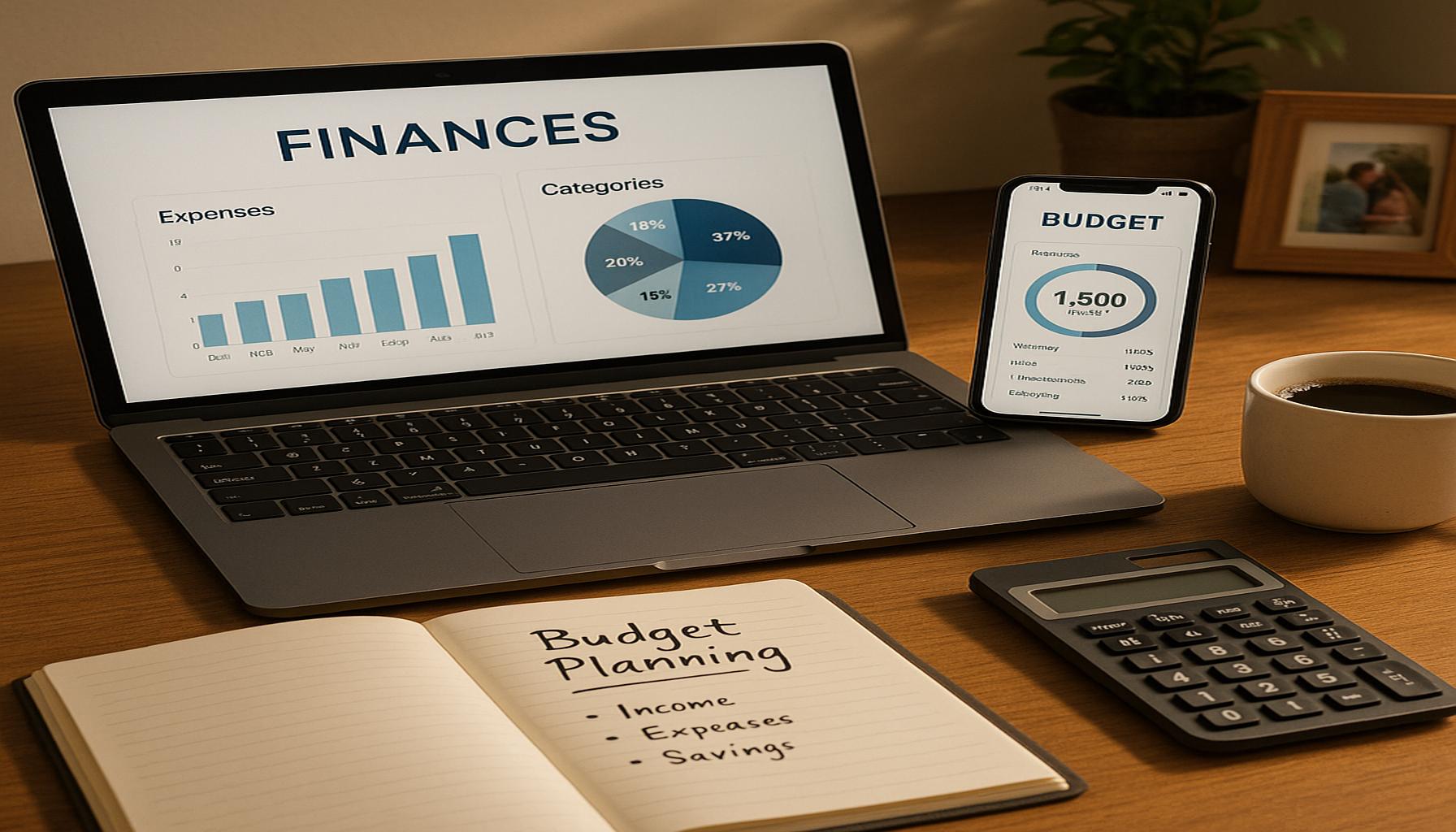
In today’s digital world, numerous apps and software options can simplify financial tracking and budget management. Tools like Mint, YNAB (You Need A Budget), or even banking apps offer features that help Canadians monitor their spending, create financial goals, and receive insights on areas for improvement. By leveraging technology, you can automate portions of your budgeting process, making it easier to stay disciplined and focused on your financial objectives.
Moreover, consider syncing your bank accounts with these budgeting tools to keep all your financial information in one place. This integration not only simplifies the tracking process but also enables you to set alerts for unusual spending activity, allowing for proactive management of your finances.
As you work towards creating a sustainable financial plan, remember that the journey is as important as the destination. Achieving financial stability involves continuous learning and adaptation. By setting realistic goals, regularly reviewing your budget, and employing the right technology, you can navigate the complexities of personal finance with greater ease and confidence.
DISCOVER MORE: Click here for details on applying
Conclusion
In conclusion, developing a sustainable financial plan through effective budgeting strategies is essential for achieving lasting financial stability. By setting realistic financial goals, you create a clear roadmap that guides your decisions and actions. Prioritizing and categorizing your goals allows you to focus on what matters most, whether it’s eliminating debt or saving for significant life milestones.
Moreover, regularly reviewing and adjusting your budget is crucial as it enables you to adapt to life’s inevitable changes and unexpected expenses. This proactive approach ensures you maintain control over your finances and stay on target. Seasonal changes in costs, for instance, should also be taken into account. By anticipating these variations, you can create a more flexible budget that truly reflects your financial landscape.
Finally, leveraging technology for financial tracking presents an invaluable opportunity to simplify your budgeting efforts. Utilizing apps and digital tools not only enhances your ability to track spending and goals but also provides valuable insights that empower better financial decisions. As you embark on your financial journey, remember that persistence and adaptability are key. Embrace the learning process, make informed adjustments, and stay motivated as you work towards a brighter financial future for you and your family.

Linda Carter
Linda Carter is a writer and financial expert specializing in personal finance and financial planning. With extensive experience helping individuals achieve financial stability and make informed decisions, Linda shares her knowledge on the our platform. Her goal is to empower readers with practical advice and strategies for financial success.