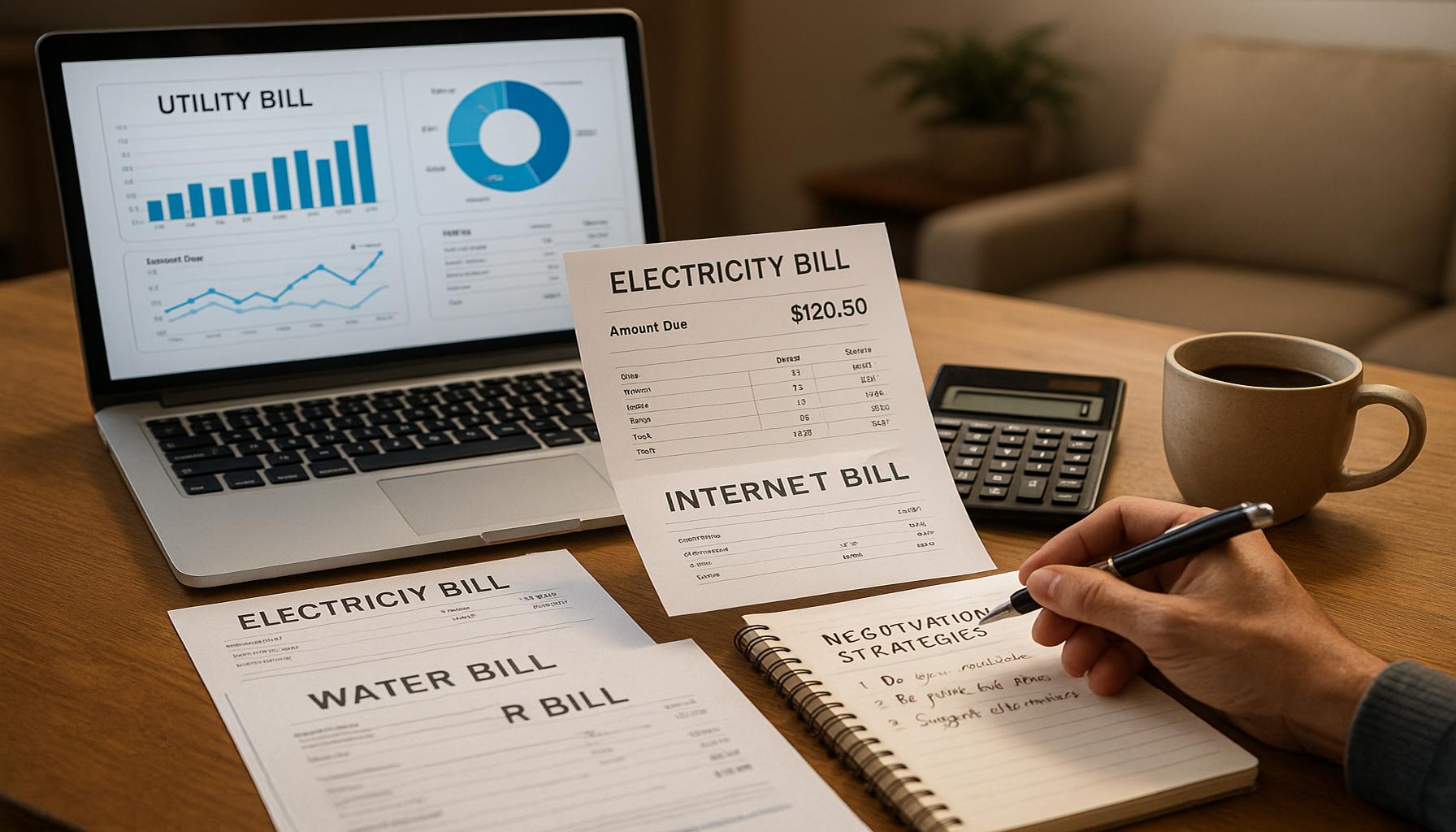
Strategies to Reduce Fixed Expenses: How to Renegotiate Contracts and Services
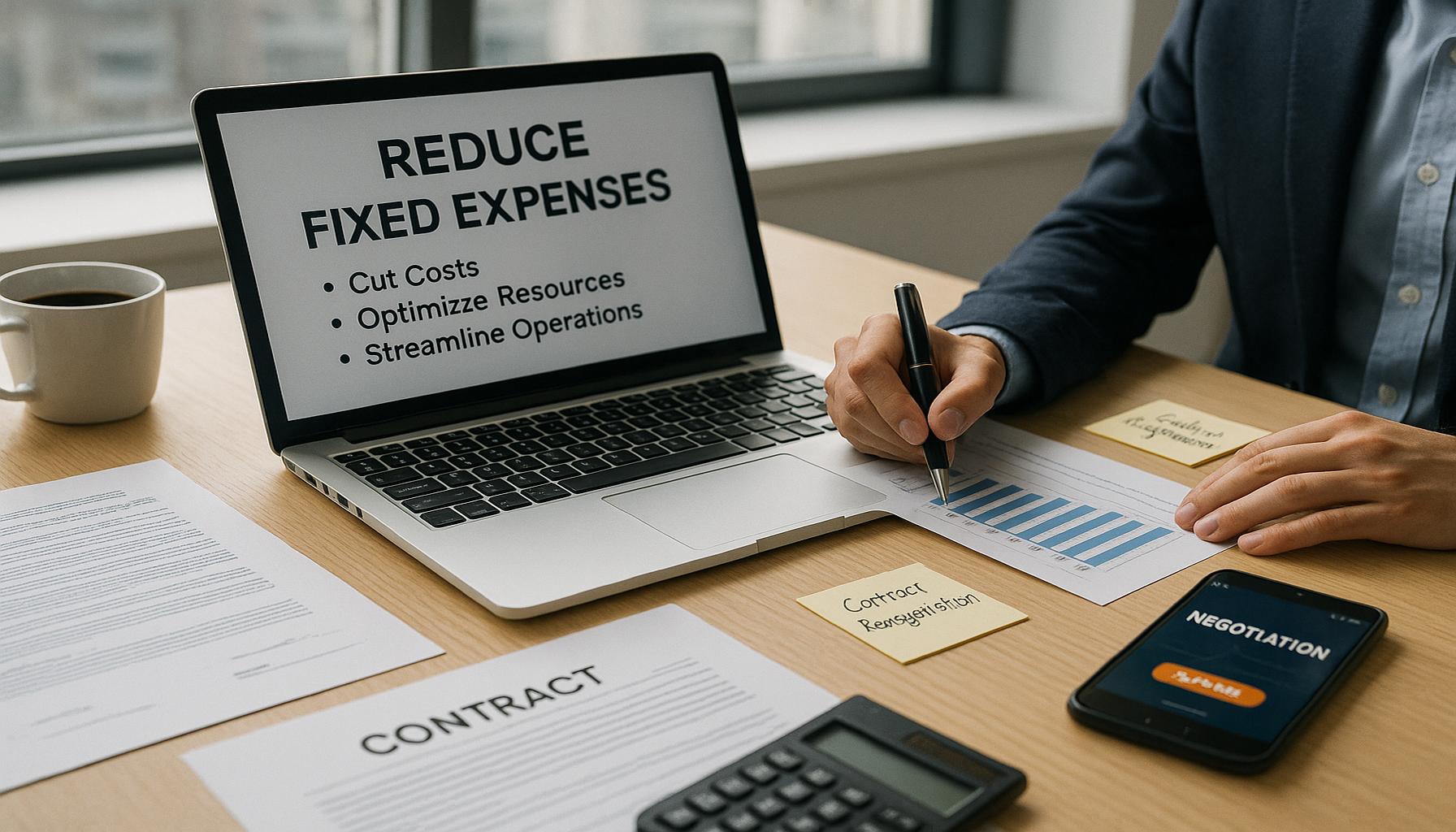
The Importance of Managing Finances Wisely
As we navigate through an ever-changing economic landscape, it’s essential for individuals and businesses in Canada to prioritize effective financial management. The ability to master your finances not only promotes stability but also allows for the potential growth and expansion of your financial capacity. One such effective strategy is to focus on reducing fixed expenses, which can often serve as a drain on resources.
Identifying Fixed Expenses
Fixed expenses, as the name suggests, are predictable costs that remain constant each month or year. For many Canadians, this includes:
- Rent or mortgage payments – For most people, especially in urban centers like Toronto or Vancouver, housing costs represent their most significant financial commitment. These expenses can often take up 30-50% of a person’s income, making them a prime target for reduction.
- Insurance premiums – Insurance is crucial for safeguarding your assets, such as your home and vehicle, but many people don’t realize that these premiums can be negotiated. With a little research, you can often find more competitive rates, which can result in substantial savings over time.
- Subscriptions and memberships – Whether it’s that monthly streaming service or a gym subscription, these fixed costs add up. Regularly evaluating whether these services still add value to your life is a smart financial move.
The Benefits of Renegotiating
By targeting these fixed expenses for renegotiation, individuals can unlock a variety of benefits that can help bolster financial health. Renegotiating can lead to:
- Lower monthly bills – Even a slight reduction in rent or mortgage payments can free up hundreds of dollars, allowing you to allocate funds towards savings or investments.
- Better service terms – Through negotiation, you might secure additional services or benefits from your existing agreements, such as improved coverage for your insurance or bonus features for your subscriptions.
- Increased flexibility in payment options – Some companies are willing to adjust payment plans or frequencies, which can greatly ease financial strain, especially during challenging times.
The Art of Negotiation
Mastering the art of negotiation is pivotal in achieving these reductions. It necessitates thorough research into your current obligations and market rates, as well as a clear understanding of what you need. Confidence plays a crucial role as well; communicate your needs effectively and be ready to walk away from agreements that do not serve you. An example might be comparing various insurance offerings or rental prices in your area to leverage during negotiations.
In conclusion, recognizing and skillfully managing fixed expenses can significantly enhance both individual and business financial health. With the right approach, not only can you cultivate an environment of responsible spending, but you can also bring greater peace of mind to your financial planning, fostering a sense of control and optimism for the future.
DISCOVER MORE: Click here to learn how to maximize your savings</
Understanding Your Fixed Expenses
In today’s financial climate, efficiently managing fixed expenses is vital for both individuals and businesses. The first step in reducing these costs is to thoroughly understand what encompasses your fixed expenses. Not all expenses are created equal, and identifying which ones are negotiable plays a key role in your reduction strategy. By taking stock of your regular obligations and conducting a bit of analysis, you will be better equipped to tackle areas where savings can be realized.
Assessing Your Contracts and Services
Begin with a detailed review of your existing contracts and services. This means taking a close look at every agreement, from your lease or mortgage to utilities, insurance policies, and service subscriptions. Here are a few crucial questions to guide your assessment:
- What is my current rate, and how does it compare to market averages? Research current pricing trends in your area to better understand where you stand. For instance, if you’re renting, websites like Rentfaster or PadMapper can help you gauge whether you’re paying above the market rate.
- Are there any hidden fees or unexpected charges? Scrutinize your utility and insurance bills for additional costs that may be inflating your expenses unnecessarily. Hidden charges can often be negotiated away with a clear request for clarification.
- Are the services I’m paying for still relevant to my needs? This aspect involves evaluating whether the benefits of your subscriptions—be they for streaming platforms, gym memberships, or software tools—are worth their costs. If you find you’re utilizing them less frequently, it may be time to reconsider or renegotiate terms.
Going deeper into this evaluation, it’s also wise to prepare for negotiations by gathering information that showcases your reliability as a customer. If you’ve been a long-time patron of a service, this loyalty may work in your favor. For example, many providers may offer loyalty discounts or be more flexible if you express concerns over rising costs. Highlighting your long-term relationship can sometimes lead companies to offer incentives or reduced rates just to retain your business.
Effective Communication and Strategy
Once you have armed yourself with research and prepared your position, the next step involves effective communication. Engaging in a calm yet assertive dialogue with your service providers is paramount. Start by clearly stating your intention—to review and possibly renegotiate the terms. By being direct, you’ll eliminate confusion and set the stage for productive discussions.
Consider framing your requests not just around pricing but also regarding service quality. For example, if you’re contacting your internet service provider, you might ask for a lower rate if they are unable to meet the promised speeds or uptime. Remember, successful negotiations often hinge on the ability to articulate your needs and the value you bring as a customer.
By fostering an open line of communication and demonstrating preparedness, you’ll increase your odds of achieving reductions in those fixed expenses. By taking control of your financial commitments, you empower yourself and pave the way for a more stable financial future.
DISCOVER MORE: Click here to learn how to apply
Leveraging Competitive Offers
Once you have assessed your contracts and initiated communication with your service providers, the next strategy involves the power of competitive offers. In a highly competitive marketplace, many service providers are willing to negotiate to retain or attract customers. This aspect can significantly influence your ability to reduce fixed expenses.
Begin by researching alternative service providers that can fulfill your needs at a lower cost. For instance, if you’re looking for better rates on internet or mobile phone services, check various companies and their offerings online. Cash-back websites and apps like Rakuten can also provide additional savings on services through their partnerships. When you’re equipped with this market intelligence, you can use it to present a strong case when negotiating with your current provider.
Frame your discussions around these competitive offers. Say you find a comparable phone plan at a significantly lower rate from a competitor—bring this information into your discussion. Simply stating that you’re considering switching can be enough to prompt your current provider to reconsider your rate. Many companies offer retention discounts if you express uncertainty about continuing your contract.
Timing Your Negotiations
The timing of your negotiations can have a profound impact on the outcomes. Reach out to providers at strategic times of the year, such as during the end of fiscal quarters or just before the launch of new products or plans. Companies are especially motivated to secure customers during these periods as they work to meet their sales targets. Likewise, approaching them during promotional periods may yield better results, especially if they are looking to boost their customer base.
Additionally, consider specific life events or economic shifts that may create openings for negotiation. If you’re a long-time customer and have always paid your bills on time, remind them of this during times of financial uncertainty—like a recession—when many companies are more open to saving existing customers rather than facing the costs of acquiring new ones.
Creating Your Own Contracts
In some circumstances, you can take the reins by proposing your own terms. Instead of accepting a fixed rate contract, negotiate for a more flexible arrangement that allows for periodic reviews of your terms or adjustments based on your usage. For example, many internet service providers are moving toward month-to-month plans. By suggesting your willingness to enter into such an agreement, you can retain the ability to switch providers more easily without penalty or fees.
Furthermore, try bundling services together for better rates. Many Canadian households save money by combining their home phone, internet, and television services into a single package. Telecommunication companies frequently offer discounted bundles, which could lower your overall expenses if you currently subscribe to these services separately.
Finally, don’t shy away from being persistent in your negotiations. If you don’t secure a favorable outcome in your first attempt, schedule a follow-up call or reach out to another representative. Different customer service agents may have varying levels of authority to adjust rates, and persistence can often pay off.
DISCOVER MORE: Click here for detailed application steps
Conclusion
In an ever-evolving economic landscape, reducing fixed expenses can play a pivotal role in achieving financial stability and flexibility. The strategies discussed—such as leveraging competitive offers, timing your negotiations, and creating your own contracts—equip you with the tools necessary to effectively renegotiate contracts and services. By diligently assessing your current expenses and gathering market intelligence, you empower yourself to advocate for better terms.
Moreover, it’s crucial to remain proactive and informed about industry trends and opportunities. In Canada, where service competition often leads to dramatic shifts in pricing and service offerings, being aware of your options can significantly influence the outcome of your negotiations. Whether it’s bundling services for better rates or creating flexible contracts that adapt to your changing needs, every small step counts towards maximizing your savings.
Additionally, persistence cannot be overstated. If one negotiation does not yield favorable results, don’t hesitate to explore further or revisit conversations with different representatives. With a combination of informed strategies and determination, you not only stand a better chance of reducing your fixed expenses but also cultivate a more sustainable financial future. Ultimately, taking control of your expenses is an empowering step that can lead to greater peace of mind and improved financial health.

Linda Carter
Linda Carter is a writer and financial expert specializing in personal finance and financial planning. With extensive experience helping individuals achieve financial stability and make informed decisions, Linda shares her knowledge on the our platform. Her goal is to empower readers with practical advice and strategies for financial success.