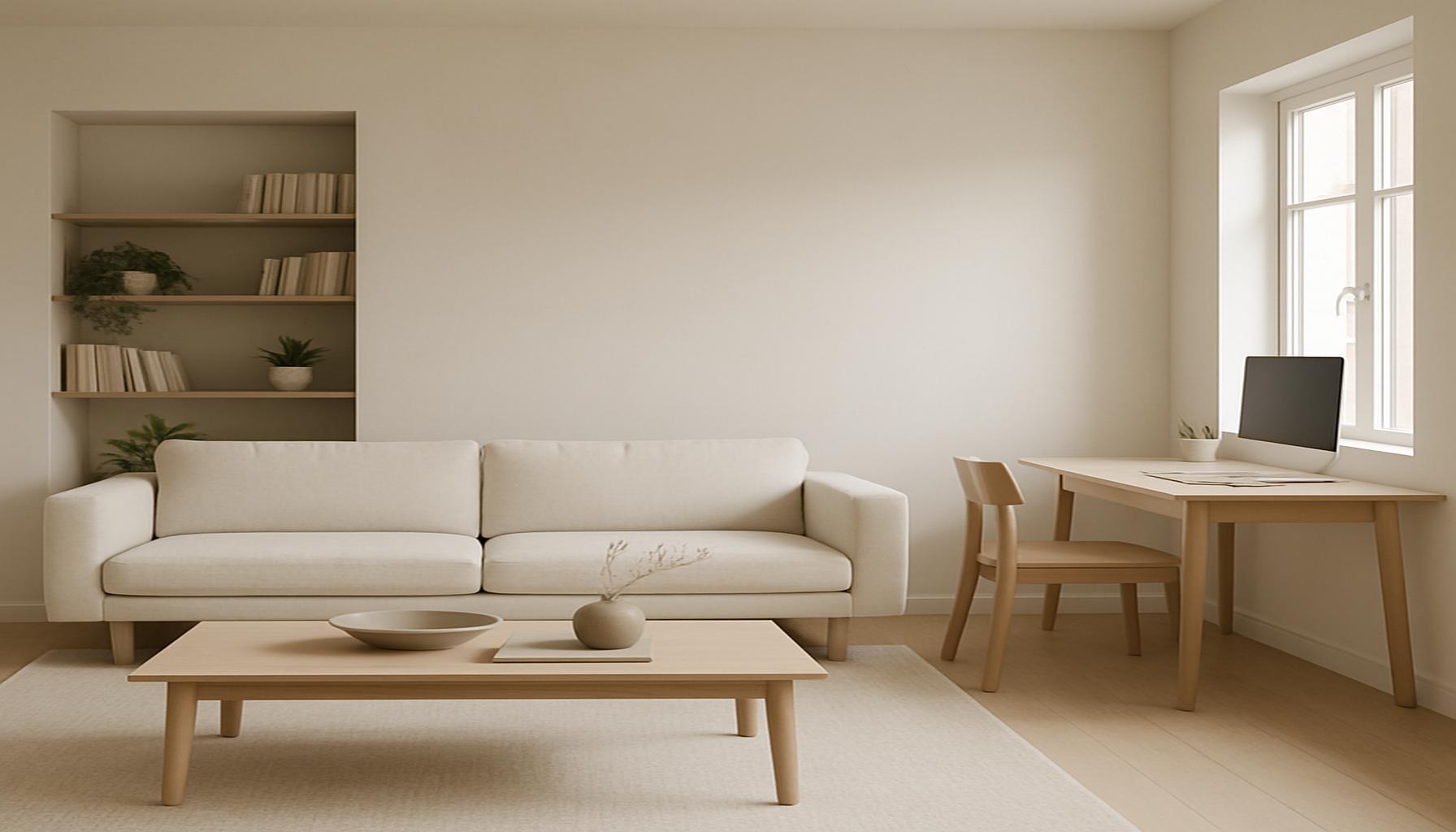
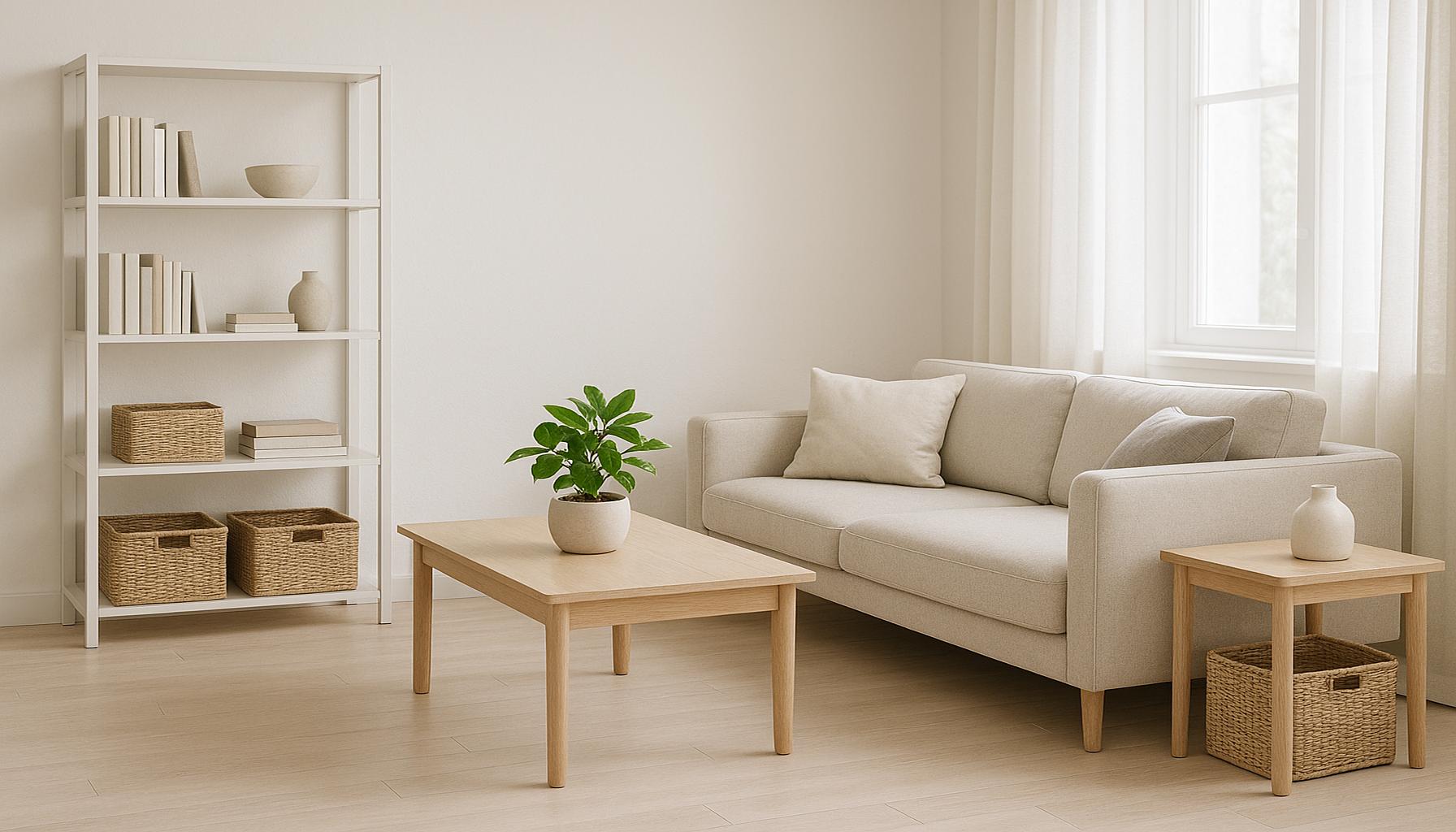
Decluttering: A Step-by-Step Guide to Embracing Minimalism
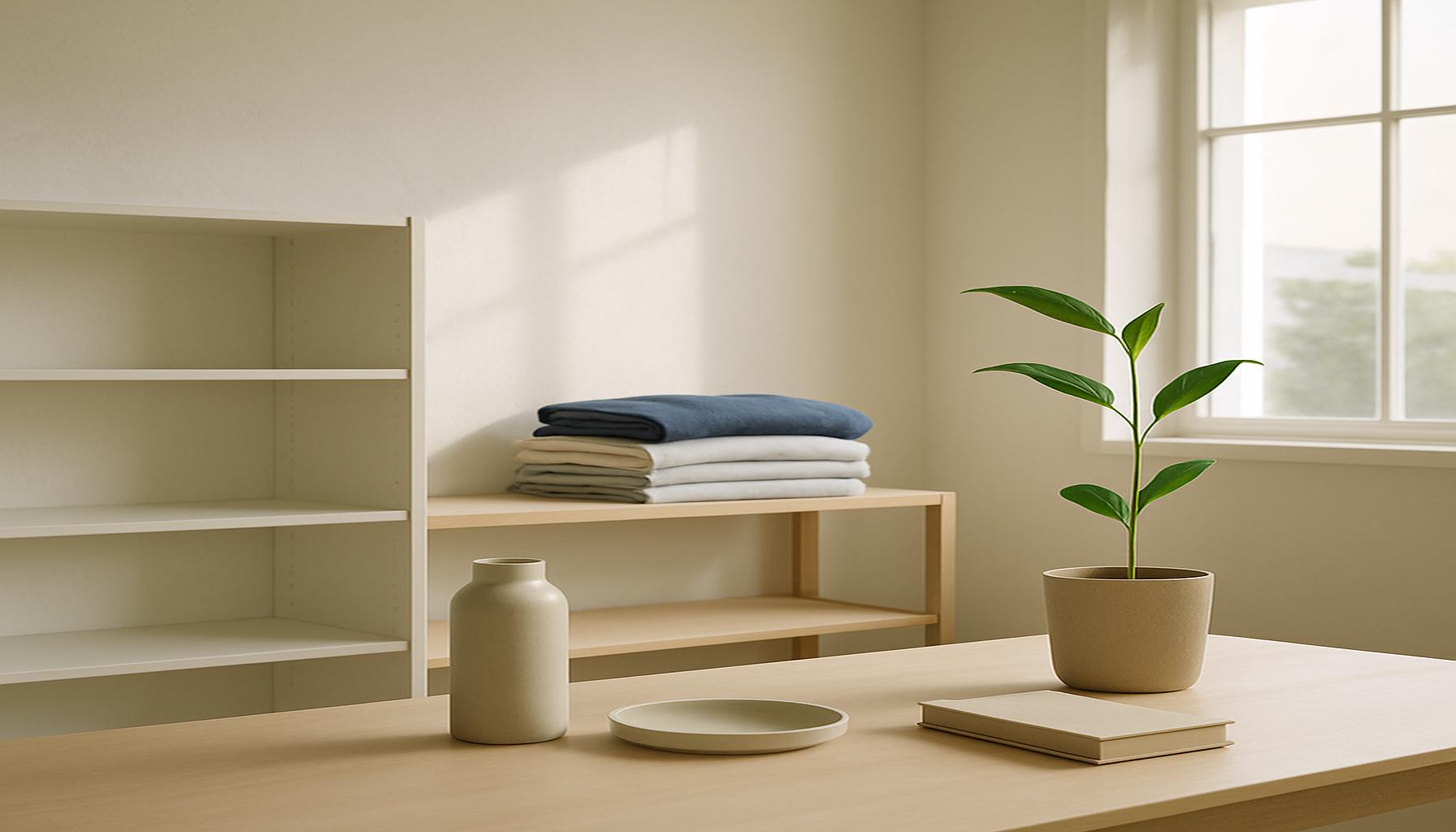
Understanding Minimalism
In today’s fast-paced world, the allure of a simplified lifestyle is drawing attention from individuals seeking peace amidst chaos. The practice of minimalism transcends mere decluttering; it invites enthusiasts to cultivate an environment that aligns with their values and aspirations. But how exactly does one go about achieving a minimalist lifestyle?
Decluttering isn’t merely about removing extraneous items; it’s a profound transformation that encourages self-awareness and intentionality. When many consider decluttering their space, they might start with an overwhelming décor style or a room full of mismatched furniture. Instead, minimalism teaches that your living environment should be a true reflection of your identity, leading to an enhanced quality of life.
The Benefits of Embracing Minimalism
In addition to the benefits mentioned previously, minimalism presents numerous advantages:
- Promotes Mental Clarity: A decluttered space can invigorate your mental state. Studies indicate that individuals living in organized environments experience less anxiety and improved emotional health.
- Time Efficiency: By reducing clutter, you spend less time maintaining and organizing your possessions, allowing more time for activities that truly enrich your life.
- Environmental Considerations: Buying less leads to less waste, making minimalism a sustainable choice that aligns with eco-conscious values prevalent in American culture.
How to Begin Your Decluttering Journey
To successfully adopt a minimalist lifestyle, it’s essential to approach the process methodically:
- Identify Items that No Longer Serve You: Start by evaluating your possessions. Ask yourself if each item adds value to your life. Is that t-shirt from high school still relevant? If not, it might be time to let it go.
- Create an Efficient Decluttering Plan: Break down your decluttering project into manageable steps. Tackle one room or one category (like clothing) at a time to avoid feeling overwhelmed.
- Maintain a Minimalist Lifestyle Long-term: Establish guidelines for future purchases, such as the “one in, one out” rule. This will help manage items entering your space and contribute to sustaining a clutter-free environment.
From tiny apartments in big cities like New York to family homes in suburbia, minimalism offers a pathway to serenity for all. The journey towards simplification can eliminate distractions and provide clarity, ultimately leading to a more fulfilled existence. By opting for clarity rather than chaos, you’re not just decluttering; you’re embracing a lifestyle that fosters peace of mind and a sense of freedom in both your home and your daily life.
Steps to Start Your Decluttering Process
Embarking on a decluttering journey can initially seem daunting, especially if you’re surrounded by years of accumulated belongings. However, by approaching the task with a clear plan, you can transform your living space into a haven of simplicity and order. Here’s a practical step-by-step guide to help navigate your decluttering process:
1. Set Clear Goals
Begin by defining what you want to achieve through decluttering. Are you aiming for a more peaceful home environment, or do you seek to optimize your living space? Consider creating specific, measurable objectives to maintain your focus. For example, you might choose to declutter one room per week or aim to fill a certain number of donation boxes.
2. The Four-Box Method
A popular technique in minimalism is known as the Four-Box Method. As you go through your possessions, gather four containers and label them:
- Keep: Items you use regularly and love.
- Donate: Items that are in good condition but no longer serve you.
- Trash: Broken or damaged items that can’t be repaired.
- Undecided: Items you’re unsure about. Set a timeline to revisit these later.
This method not only helps streamline your decision-making process but also organizes your intentions for each item, making it easier to sort through everything.
3. Tackle One Space at a Time
Instead of overwhelming yourself with the entire house at once, focus on one area at a time. Starting small can lead to a sense of accomplishment. Consider decluttering your closet first; the transformation can serve as motivation for the next area. Designate certain hours in your week solely for decluttering to ensure you remain committed to the process.
4. Ask the Right Questions
As you encounter each item, ask yourself specific questions to gauge its relevance in your life:
- When was the last time I used this?
- Does this item bring me joy or serve a purpose?
- Would I buy this again today?
This reflective process cultivates a deeper connection to your belongings, encouraging you to keep only what truly matters.
5. Celebrate Your Progress
Decluttering can be emotional work, often tied to memories and identities. Take the time to celebrate small victories along the way. Whether it’s a simple acknowledgment of completing a room or sharing your journey with friends, reveling in your progress can keep you motivated for the long haul.
With these steps in mind, remember that decluttering is not merely a task; it’s an invitation to reassess your lifestyle. By actively engaging in this process, you create space—not just physically in your home but mentally in your mind. Embracing minimalism through decluttering allows for a clearer pathway to a more intentional and fulfilling life.
| Advantage | Description |
|---|---|
| Stress Reduction | A decluttered space leads to a clearer mind, reducing anxiety linked to visual messiness. |
| Increased Productivity | Minimizing distractions in your environment can markedly improve focus and efficiency in completing tasks. |
Adopting a minimalist lifestyle not only transforms your immediate surroundings but also impacts your emotional well-being and how you interact with the world. Understanding the principles of decluttering can pave the way to a more organized and fulfilling existence. When your environment is clear of unnecessary items, your mind can mirror that calmness. Many people report feeling significantly less stressed and more at peace when surrounded by intentional and meaningful belongings. This transition to a simpler life begins with a methodical assessment of what you truly need, successively allowing you to let go of excess.Additionally, studies affirm that a clutter-free workspace significantly correlates with elevated productivity levels. By streamlining your environment, you also streamline your mind, leading to enhanced creativity and problem-solving abilities. Therefore, as you delve deeper into the art of decluttering, remember that each item you choose to keep or discard should contribute positively to your life. As the journey into minimalism progresses, it becomes clearer that decluttering isn’t only about removing physical objects; it embodies a shift toward appreciating simplicity and value. The ripple effects can lead to greater clarity in various life aspects, including decision-making and personal relationships. Discover how embracing minimalism can redefine your connections beyond just physical possessions.
Maintaining Your Clutter-Free Environment
Once you’ve embraced the process of decluttering, the next crucial step is maintaining your newly organized space. This stage can often be overlooked but is essential to ensuring that your minimalist lifestyle is sustainable in the long term. Here are some strategies to help you keep your home tidy and clutter-free:
1. Adopt the One In, One Out Rule
To prevent new clutter from accumulating, establish a simple rule: for every item you bring into your home, an existing item must leave. This practice not only reinforces the habit of decluttering but also encourages mindful purchasing decisions. Before buying a new shirt, think about whether you are willing to donate or discard an older one. Implementing this rule can significantly reduce the urge to accumulate unnecessary possessions.
2. Schedule Regular Decluttering Sessions
Even after your initial decluttering effort, it’s beneficial to schedule regular sessions to reevaluate your belongings. Set aside time every month or every season to check on different areas of your home. These sessions provide a dedicated opportunity to assess whether your items still serve a purpose or bring joy to your life. Consider smaller, manageable tasks, such as going through your bookshelf or pantry, to avoid feeling overwhelmed.
3. Focus on Mindful Consumption
Embracing minimalism calls for a shift in mindset towards consumption. Before making purchases, ask yourself if the item is truly necessary. Understanding your spending triggers can help you resist impulse buys. For instance, if you find yourself frequently drawn to home goods stores, try to limit your visits or replace them with activities that don’t involve shopping. Engaging in hobbies or interests that don’t revolve around material possessions can help you change your relationship with consumerism.
4. Use Organizational Tools Wisely
In your journey to minimalism, consider utilizing organizational tools that enhance functionality without adding clutter. Items such as baskets, shelf dividers, or digital organization apps can help maintain order while providing aesthetic appeal. However, be cautious not to fall into the trap of acquiring too many organizing tools, as they can themselves become clutter. Always practice moderation to uphold the principles of minimalism.
5. Create Functional Habits
Integrating decluttering into your daily routine can lead to lasting changes in your lifestyle. Cultivate practices such as putting items back in their designated spots after use or experimenting with a daily tidying ritual that takes no more than ten minutes. These small habits can make a substantial difference in preventing chaos from developing after your initial decluttering efforts.
Maintaining a clutter-free home is a continuous journey rather than a single event. By implementing these strategies, you can celebrate a harmonious living space that aligns with your commitment to minimalism. As you navigate this process, you’ll find that your relationship with your belongings evolves, allowing for greater enjoyment of the essentials in your life.
Embracing a Clutter-Free Future
In summary, the journey towards decluttering and embracing minimalism is not merely about creating an aesthetically pleasing environment; it’s about fostering a lifestyle that prioritizes simplicity, mindfulness, and intentionality. By diligently applying the strategies discussed—like the One In, One Out Rule, regularly scheduled decluttering sessions, and focusing on mindful consumption—you take meaningful steps towards cultivating a harmonious and organized living space.
Your home should be a sanctuary that reflects your values and aspirations. By selecting only the items that enrich your life, you gain a renewed appreciation for what you own. As you develop functional habits to maintain your clutter-free environment, you will likely discover that each item serves a purpose and brings you joy. This transformation often extends beyond physical spaces, influencing your mental clarity and emotional well-being.
As you delve deeper into the minimalist philosophy, consider exploring community resources, workshops, or online platforms that align with your journey. Engage with others who share the same passion for minimalism, reinforcing the notion that you are not alone in this endeavor. With every small change you make, celebrate the freedom and peace that decluttering brings into your life. In conclusion, adopting a minimalist lifestyle is a rewarding endeavor that promotes not just a clean home, but a conscious way of living that ultimately leads to greater fulfillment.