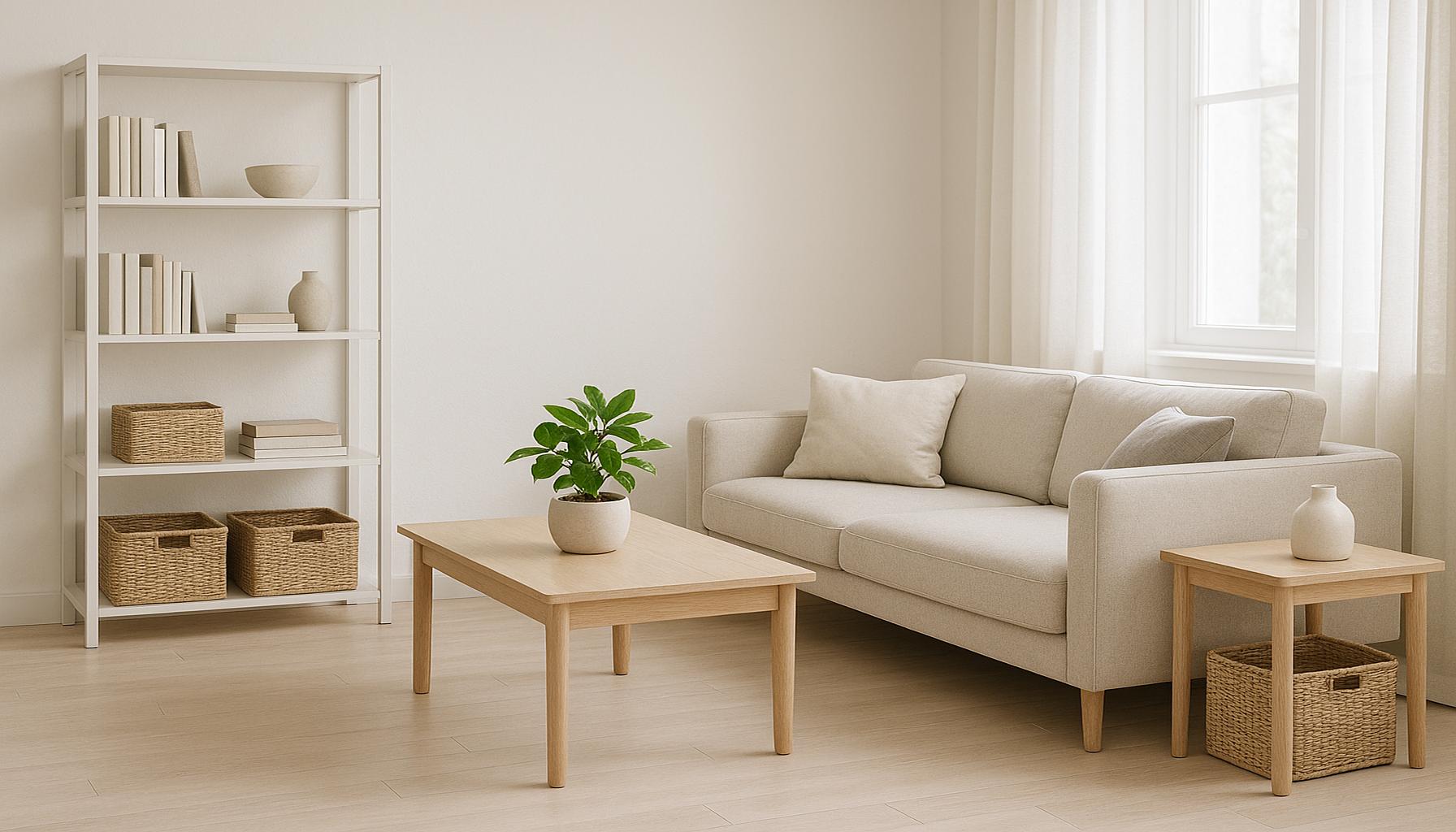
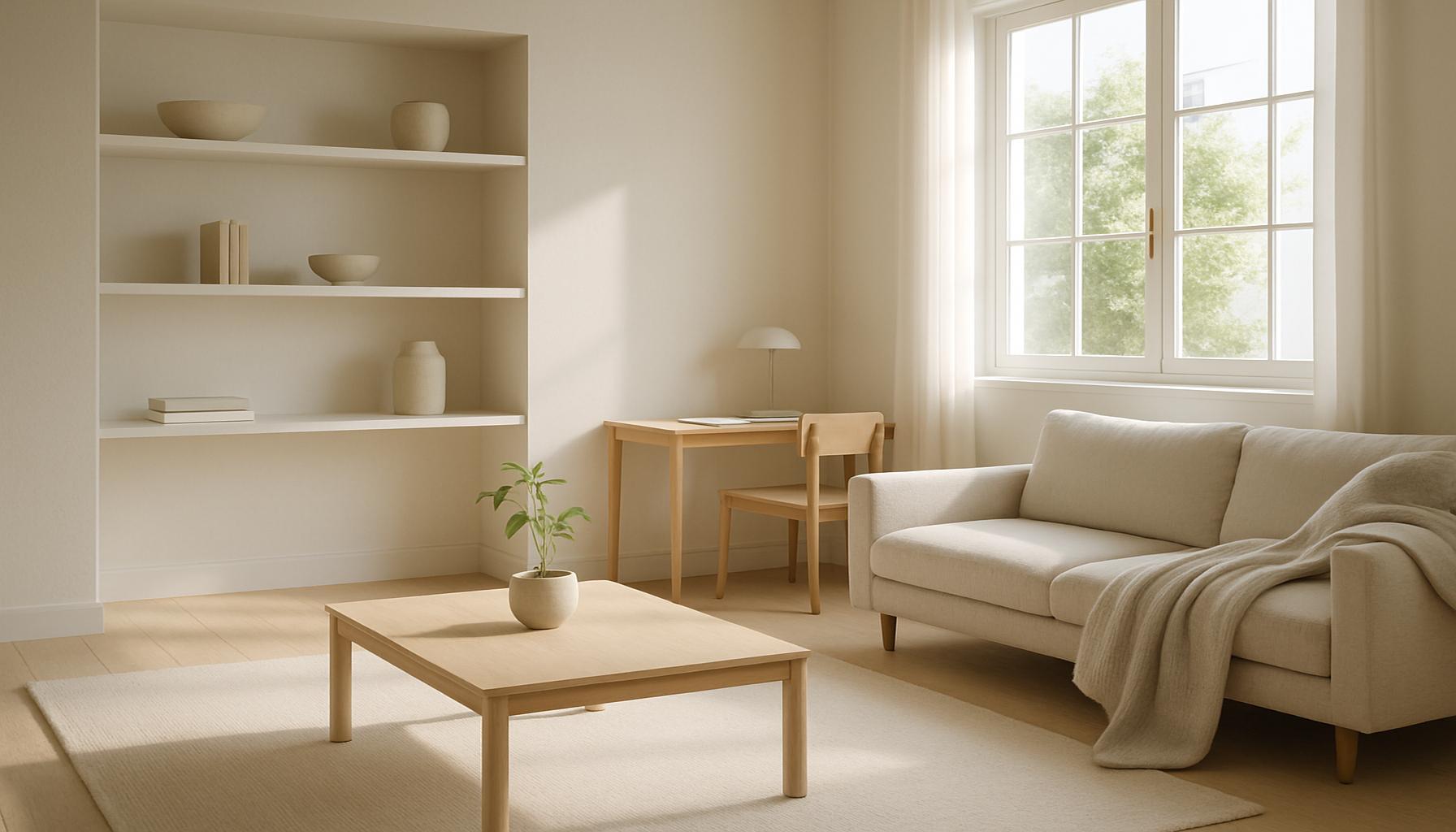
Decluttering vs. Organizing: Understanding the Difference
Understanding the Distinction
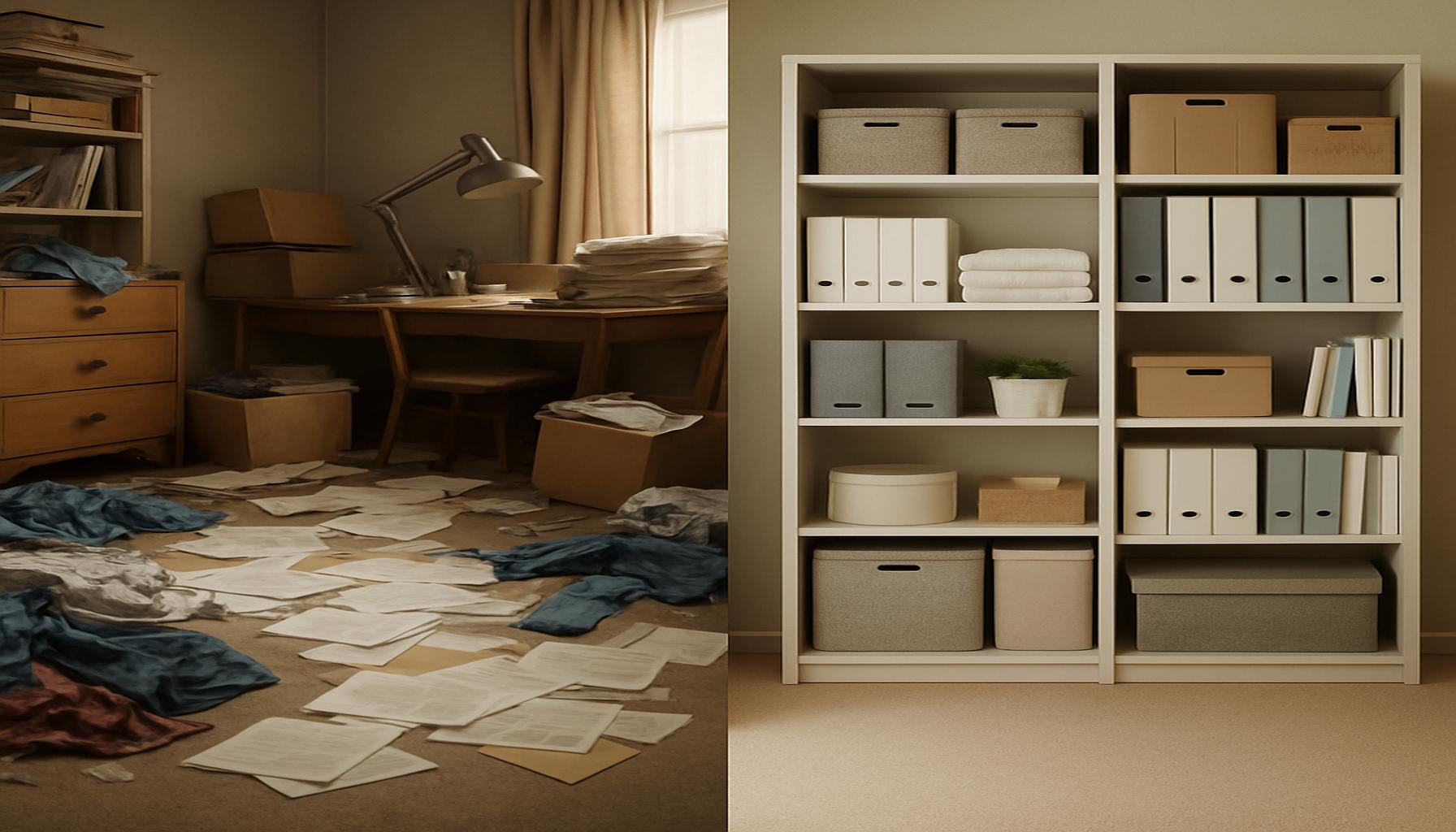
The concepts of decluttering and organizing often cross paths in home management discussions, yet they encapsulate unique practices with different objectives. Recognizing the variance between the two can transform the way you approach your living or workspaces, ultimately leading to a more manageable and efficient environment. From a chaotic closet that seems to have a life of its own to an office overflowing with paperwork, the understanding of these terms is not just beneficial—it’s essential for cultivating calm and functional spaces.
What is Decluttering?
- Removing unwanted items: At its core, decluttering is all about letting go of items that hold no current value or purpose in your life. This could involve anything from clothes that haven’t fit in years to stacks of magazines collecting dust. The key here is to evaluate each item critically and determine its necessity.
- Creating space: Beyond just removing items, decluttering is about liberating your space, making it more functional and open. Consider a home office where excess supplies are cleared, allowing for a more efficient workflow, or a living room where old toys are donated, leading to an inviting area for family gatherings.
- Emotional impact: The act of decluttering is tied to psychological benefits. A simplified environment can reduce stress and enhance clarity of thought. Studies show that physical clutter can lead to mental clutter, which is why having a clean slate can often refresh one’s perspective and creativity.
What is Organizing?
- Systematizing belongings: Once you’ve decluttered, organizing comes into play. This process involves sorting and arranging your belongings in a logical order that maximizes efficiency. For example, arranging kitchen utensils in designated drawers not only saves time but reduces future frustration during meal prep.
- Enhancing accessibility: Organizing focuses heavily on making items easily accessible. This could mean using clear bins for storage so items are readily visible or labeling shelves in a pantry for quick identification—both practices can save valuable time and effort.
- Style element: Additionally, organizing often incorporates an aesthetic angle, as it aims to ensure your space is visually appealing. Implementing color-coded files in an office or using coordinated storage solutions in a closet can make an environment not only functional but also inviting and pleasant to inhabit.
While decluttering and organizing might appear synonymous at first glance, they serve distinct purposes that are interdependent in many ways. Understanding where to place your emphasis in these processes can drastically improve your environment. Are you suffocated by too many items, or is your space a jumbled mess that requires a thoughtful layout? This introspection encourages you to delve deeper into your spaces, leading to well-informed choices about where to begin your journey towards a harmonious and productive lifestyle.
Strategies for Effective Decluttering
As you embark on the journey of decluttering, it’s essential to approach the task with a plan and strategy that will set the stage for success. The goal is not merely to toss items carelessly into the trash; rather, it’s about thoughtfully evaluating each belonging in your space and making intentional decisions. Understanding some practical strategies can significantly ease the process of decluttering and ensure lasting results.
Practical Steps for Decluttering
- Start small: Choose one area, like a closet or a single drawer, to tackle first. Focusing on a small space can prevent overwhelm and create an immediate sense of accomplishment that motivates you to keep going.
- Use the “Four-Box Method”: Label four boxes as “Keep,” “Donate,” “Trash,” and “Maybe.” As you sort through items, place each one into a designated box, allowing you to gain clarity on what truly serves a purpose in your life.
- Set a time limit: Allocate a specific time to work on your decluttering project. Whether it’s 30 minutes or a full afternoon, having a clear endpoint can help maintain focus and urgency.
- Reflect on emotional attachments: It’s human nature to form attachments to possessions. Take a moment to consider the emotional value these items bring. If they can be cherished as memories but don’t serve a current purpose, perhaps it’s time to let them go.
- Maintain a “one in, one out” rule: To prevent future clutter from accumulating, adopt the habit of letting go of one item for every new item you bring into your space. This keeps your environment simplified and manageable.
These actionable steps are designed to not just clear out clutter, but to reinforce a more mindful approach to what you choose to keep in your life. By establishing clear boundaries regarding your possessions, you cultivate a lifestyle centered around intentionality—a practice that can profoundly impact your mental well-being and productivity.
The Art of Organizing
Once you have successfully decluttered, the next phase is organizing—an essential complement to the decluttering process. While decluttering emphasizes elimination, organizing focuses on structure, placement, and accessibility. This stage is where you set up systems that make it easier to find and use the items that truly matter. Without organization, the benefits of decluttering can quickly diminish, as a clutter-free space still requires an efficient layout to be functional.
Organizing Techniques to Elevate Your Space
- Group similar items: By categorizing items such as books, kitchen supplies, or office materials, you create a logical structure that simplifies finding what you need.
- Implement storage solutions: Invest in storage bins, shelves, or drawer dividers that can help create defined and designated spots for each category of items. This not only saves time but enhances the aesthetics of your space.
- Purge regularly: Just as you periodically declutter, consider a regular review of your organized spaces. Every few months, check to see if any items have become redundant or if new purchases require adjustment in your organization systems.
Organizing isn’t just about aesthetics—it’s a critical component of maintaining a functional living or working space. Implementing effective strategies ensures that you not only enjoy the benefits of a decluttered area but also keep it organized for the long-term. Combining both practices fosters an environment of clarity and focus, propelling you toward a more productive lifestyle.
As we delve deeper into the realms of decluttering and organizing, it is essential to recognize the unique advantages each approach brings to the table. While decluttering focuses on minimizing distractions and eliminating unnecessary items from your space, organizing emphasizes the systematic arrangement of belongings to enhance functionality and ease of access. Decluttering is often the first step to achieving a more serene environment. By making the decisive choice to remove items that no longer serve a purpose or bring joy, individuals can create a sense of clarity. This process can lead to a lighter mental state, reduced stress, and improved focus. On the other hand, organizing takes the concept of decluttering a step further. Once the clutter is cleared away, organizing provides a method to restore order and accessibility. Utilizing storage solutions, labeling, and designated spaces helps ensure that everything has a place.In our fast-paced world, understanding the balance between decluttering and organizing can lead to a more harmonious existence. The integration of both methods not only enhances physical space but also contributes to overall well-being. Now, let’s look at some specific advantages of each approach in the following table.
| Category | Advantages |
|---|---|
| Decluttering | Creates a sense of mental clarity and reduces stress by eliminating distractions. |
| Organizing | Enhances efficiency and makes spaces more functional by placing items in designated areas. |
By exploring both decluttering and organizing, individuals can tailor their approach to suit their unique lifestyles and preferences. Understanding the distinctions allows for a more thoughtful strategy in creating a living environment that fosters both peace and productivity.
The Benefits of Decluttering and Organizing
Understanding the differences between decluttering and organizing is crucial, but it’s equally important to recognize the myriad benefits that both practices offer. While both can lead to a more aesthetically pleasing space, their advantages extend far beyond mere appearances. Incorporating both decluttering and organizing into your routine can foster enhanced productivity, mental clarity, and emotional well-being.
Health and Well-Being
Studies have shown that cluttered environments can lead to heightened stress and anxiety levels. In a rapidly paced world, creating a calm and orderly space becomes essential for mental health. Research has indicated that individuals living in cluttered spaces report feeling more overwhelmed and unable to focus. In contrast, decluttering and organizing can produce a sense of control over one’s environment, leading to improved emotional well-being. For instance, tackling a disorganized area can yield a rush of accomplishment, providing an immediate boost to self-esteem and motivation.
Enhanced Productivity
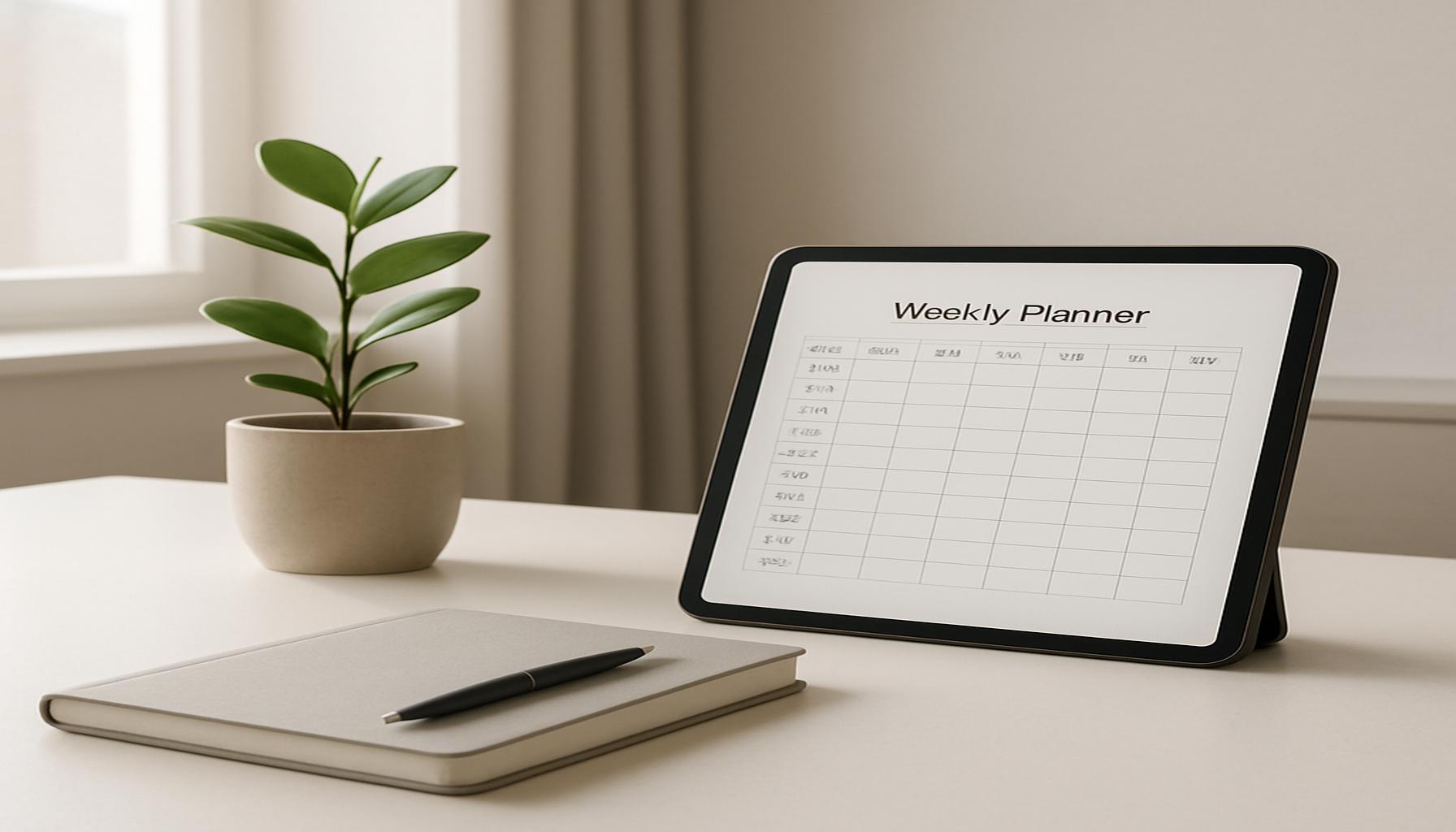
The configuration of your workspace can significantly impact your efficiency. Research from the Princeton University Neuroscience Institute highlights that physical clutter competes for our attention, making it harder to focus on tasks. By decluttering and organizing, you create an environment where distractions are minimized, allowing for better concentration. An organized workspace optimally sets you up to accomplish tasks on your to-do list. Implementing tools such as calendars, planners, or even digital apps not only enhances organization but also helps maintain the flow of productivity over time.
Environmental Benefits
Decluttering promotes a more sustainable lifestyle. When you find items you no longer need, donating them or recycling whenever possible can keep waste out of landfills. This practice fosters environmental consciousness, encouraging responsible consumption. Moreover, with an organized space, you’re more likely to care for the items you already own, which can lead to reducing unnecessary purchases and preventing the cycle of fast consumption.
Creating Spaces for Meaningful Activities
Decluttering and organizing aren’t merely about tidiness; they’re about creating a backdrop for a fulfilling life. The less you are surrounded by unnecessary items, the more space you can carve out for activities that genuinely matter to you, be it creativity, family time, or hobbies. Understanding the difference between decluttering and organizing can help you frame your space in a way that enhances your lifestyle, encouraging a flow of inspiration and relaxation.
Long-Term Commitment
While decluttering might feel like a one-time event, both decluttering and organizing require ongoing commitment to maintain an efficient environment. Incorporating periodic reviews and adapting your space as your needs evolve will ensure your surroundings continue to reflect your values. Establishing routines for both processes can help in transforming them from daunting tasks into natural habits—making the initial effort worthwhile over the long haul. The key lies in not just the act of decluttering or organizing but rather in cultivating a lifestyle that embraces simplicity and intentionality.
Ultimately, the synergy between decluttering and organizing results in a harmonious living environment, one that can enhance not only the physical space but enrich the quality of life in meaningful ways. This transformation provides an opportunity for reflection and growth, allowing you to embrace a more fulfilling, clutter-free existence.
Conclusion: Embracing a Clutter-Free Lifestyle
In navigating the complexities of our daily lives, the significance of understanding the distinction between decluttering and organizing cannot be overstated. Each plays a pivotal role in cultivating a functional, enjoyable living or working environment. By acknowledging the unique benefits of decluttering—removing excess and unnecessary items—and organizing—establishing systems to maintain order—we can enhance not only our spaces but our overall quality of life.
Making a conscious choice to embark on the journey of decluttering opens up opportunities for greater well-being, allowing users to reclaim their mental clarity and reduce stress. When combined with effective organization techniques, such as using designated storage spaces and routine maintenance, individuals can create an environment that fosters productivity and creativity. Furthermore, decluttering can have a lasting positive impact on the environment, encouraging responsible consumption and mindful living.
Ultimately, a commitment to these practices creates room for the activities that truly resonate, transforming our spaces into havens of inspiration, relaxation, and personal growth. As we embrace ongoing efforts to maintain order, we take significant strides toward nurturing a fulfilling and intentional lifestyle. In a world that often feels overwhelming, understanding the balance between decluttering and organizing empowers us to take control of our environments, leading to brighter and more meaningful days ahead.