How to Maintain a Decluttered Space: Strategies for Minimalist Living
Discovering the Benefits of a Simplified Lifestyle
In a world where every inch of our lives is inundated with stimuli—from social media notifications to overflowing inboxes—it’s hardly surprising that many individuals feel mentally overwhelmed. Amidst this chaos, the philosophy of minimalism surfaces as a beacon of clarity and organization, advocating for a lifestyle that prioritizes quality over quantity.
Embracing a minimalist approach can be a powerful catalyst for personal growth, extending its benefits far beyond the aesthetics of a tidy home. For instance, individuals often report increased productivity in clean environments. Studies have shown that a less cluttered workspace fosters concentration, enabling tasks to be completed more efficiently. It encourages you to focus on what truly matters, whether that be professional goals or personal projects.
Moreover, adopting a minimalist mindset can lead to reduced stress. The psychological implications of clutter are well-documented; when our environments are disorganized, the brain can feel similarly chaotic. By simplifying our surroundings, we allow ourselves the opportunity to cultivate a calmer mind. This tranquility is essential for unwinding and promoting mental health, which is especially significant given the rising awareness around anxiety and other mental health issues in the United States. For example, creating a serene reading nook with just a book and a comfortable chair could provide a necessary retreat from daily pressures.
Additionally, minimalism can pave the way to financial freedom. The less you own, the less you spend. By refraining from impulsive purchases and questioning the value of each item, many people find they can redirect their funds towards experiences or savings rather than material possessions. This shift in focus not only improves financial stability but also encourages more meaningful lifestyle choices. For instance, travel or hobbies can enrich life experiences far beyond the temporary joy of a new gadget.
To keep your space and mind decluttered, it’s vital to cultivate consistent practices that resonate with your lifestyle. This can begin with regular purging; dedicate a few hours each month to assess items that no longer serve a purpose. Schools, shelters, and community centers often welcome donations, helping you to contribute positively to your community while decluttering your home.
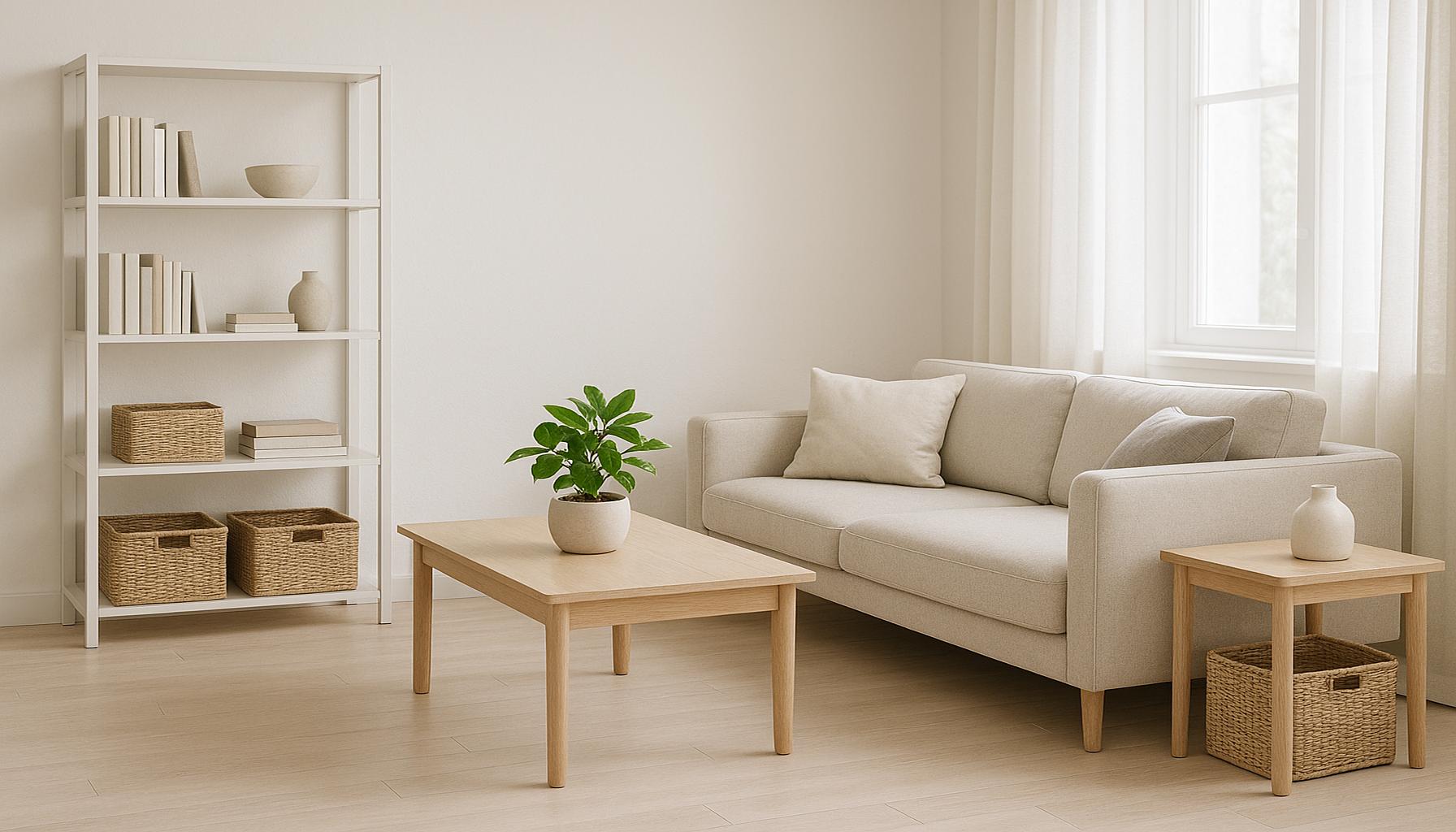
Implementing organizational tools can further streamline this process. Consider investing in versatile storage solutions, such as modular shelves or decorative boxes that can elegantly conceal items while maintaining accessibility. A well-organized closet or home office can drastically influence your ability to go about your daily duties with ease.
Finally, practicing mindful consumption is critical for sustaining a minimalist lifestyle. Before making any new purchase, ask yourself: “Does this item truly add value to my life?” This introspection can foster a deeper appreciation for the things you do choose to keep. Whether it’s a quality kitchen tool that enhances meal prep or a piece of art that inspires you, these selected items can elevate your living space while encouraging a sense of gratitude.
By adopting these strategies, you can embark on a journey toward minimalism that not only transforms your surroundings but also reshapes your outlook on life. Embrace the notion that less can indeed be more, and discover the profound impact simplicity can have on your mental and emotional well-being.
Practical Steps to Achieve Minimalism
Maintaining a decluttered space can seem daunting, especially in a fast-paced world where items often accumulate before we even notice. However, adopting a minimalist lifestyle involves simple yet effective strategies that can be integrated into your daily routine. Here are some actionable steps to help you maintain a decluttered environment:
1. Embrace the One-In, One-Out Principle
One of the most effective strategies for controlling clutter is the one-in, one-out principle. This simple rule states that for every new item you bring into your home, an equivalent item must leave. This approach not only helps keep your possessions in check but also encourages mindfulness in your purchasing habits. By practicing this, you’ll find that your home retains a sense of openness and tranquility. Consider keeping a designated box for items to donate, which can serve as a constant reminder of your decluttering commitment.
2. Schedule Regular Decluttering Sessions
To avoid overwhelming cleanouts, schedule regular decluttering sessions. Setting aside specific times every month to assess your belongings can create a routine that prevents buildup. Here’s how to structure these sessions effectively:
- Identify Areas of Focus: Target specific spaces in your home, such as your closet, garage, or kitchen. Breaking it down into manageable sections keeps the task less intimidating.
- Use Sorting Strategies: As you go through items, categorize them into three groups: keep, donate, and discard. This visual aid can clarify your decision-making.
- Set Time Limits: Allow yourself a fixed amount of time for each session, such as 30 to 60 minutes. This prevents burnout and keeps you engaged.
3. Optimize Your Space with Smart Storage Solutions
Effective storage solutions can make all the difference in creating a clutter-free environment. Consider the following tips:
- Maximize Vertical Space: Utilize shelves and cabinets that reach up to the ceiling to store items out of sight while keeping them accessible.
- Use Multifunctional Furniture: Invest in furniture pieces that can double as storage, such as ottomans with hidden compartments or beds with drawers beneath.
- Label Everything: Clear labeling ensures that everyone in the household knows where items belong, simplifying cleanup and organization.
4. Cultivate Mindful Consumer Habits
The journey to minimalism extends beyond declutted spaces; it necessitates a shift in how we approach consumption. Adopting mindful consumer habits allows you to critically assess the need and value of potential purchases. Before acquiring something new, ask yourself:
- “Do I really need this?”
- “Will it serve a purpose or bring me joy?”
- “Is it worth the space it will occupy?”
By being intentional about what you bring into your home, you can preserve the clarity of your living space while fostering a deeper appreciation for the things you already own.
Implementing these strategies may take time and effort, but the rewards—a simplified, serene living environment—are well worth it. As you embrace minimalism, you will likely discover that the journey is just as valuable as the destination, paving the way for a more mindful and fulfilling life.
Creative Organizing Methods
To truly embrace minimalist living, it is essential to explore creative organizing methods that enhance your space while reflecting your personal style. One effective approach is to implement detailed categorization within your belongings. By grouping items with similar purposes, you streamline your access to essentials and effectively eliminate visual clutter.
Another interesting technique is the use of multi-functional furniture. Investing in pieces that serve multiple purposes not only saves space but also promotes a cleaner aesthetic. For instance, ottomans with storage capabilities or foldable desks can dramatically decrease the number of items laid out in your living area.
Regular Decluttering Habits
Developing consistent decluttering habits is vital for maintaining a decluttered space. Setting aside time each week to score through items and make critical decisions about what to keep can prevent overwhelming accumulation. The one-in-one-out rule is particularly beneficial: for every new item you introduce to your home, consider letting go of another. This not only limits excess but cultivates a mindful approach to consumption.
Additionally, leverage technology to assist in your journey towards minimalist living. Various apps can help track your possessions and prompt you at regular intervals to assess your belongings. With reminders, you will find it easier to develop the necessary discipline to sustain an organized environment.
Creating a Daily Routine
Establishing a daily routine that incorporates quick tidy-up sessions can make a significant difference. Designating specific times during your day for minimal maintenance can prevent clutter from becoming an overwhelming chore. For example, allocating just ten minutes each evening to clear surfaces or sort through mail can have a profound impact on maintaining a tidy space.
Ultimately, these strategies to maintain minimalism go beyond cleaning; they foster a lifestyle built around intentionality and mindfulness. By integrating these practices, you can cultivate an open, inviting space that not only reflects minimalist principles but also enhances your overall well-being.
| Advantages | Benefits |
|---|---|
| Improved Mental Clarity | A decluttered space promotes focus and reduces distractions. |
| Enhanced Productivity | Less clutter allows for more efficient working environments. |
Long-Term Maintenance Techniques for a Clutter-Free Home
Once you’ve established a decluttered space, the challenge becomes maintaining that harmony. Over time, it’s easy for new items to slip in and old habits to reemerge. However, integrating a few long-term strategies can help you stay aligned with your minimalist goals and ensure that your living environment remains a tranquil haven.
5. Create a Decluttering Ritual
Incorporating a decluttering ritual into your weekly or monthly routine can help keep your spaces organized. This ritual can be as simple as dedicating five to ten minutes each day to tackle small tasks. Consider the following approaches:
- End-of-Day Cleanup: Before bedtime, take a few moments to tidy up common areas like the living room or kitchen. Put away items that are out of place and noticeably reduce clutter.
- Monthly Review: At the end of every month, consider revisiting your belongings. Ask yourself if anything needs to be reassessed or let go, ensuring that your space remains aligned with the minimalist lifestyle.
- Seasonal Purges: Align your decluttering rituals with the changing seasons. A thorough inventory of your belongings seasonally can help prevent pile-ups and provide a sense of renewal.
6. Digital Decluttering
The concept of minimalism extends beyond physical spaces; digital decluttering is equally important. Just as items can accumulate within your home, they can also pile up in your digital life. Follow these steps to streamline your online presence:
- Organize Files and Folders: Take the time to categorize and clean up your computer files. Create folders for significant areas in your life and delete duplicates or unnecessary documents.
- Unsubscribe from Unwanted Emails: Regularly review your email subscriptions and unsubscribe from newsletters or promotions that no longer serve you. This tactic will reduce inbox clutter and mental fatigue.
- Limit Social Media: Evaluate your social media accounts and consider unfollowing pages or people that do not align with your values or bring you joy. Limiting digital distractions can support a more focused and serene lifestyle.
7. Involve Your Household
Maintaining a decluttered space is easier when everyone in your home is on board with minimalism. Encourage all household members to embrace the philosophy together:
- Educate Together: Discuss the benefits of minimalism and decluttering as a family. Engaging in discussions can foster a shared understanding of the importance of a clutter-free lifestyle.
- Assign Responsibilities: Divide decluttering tasks among family members. Giving each person ownership of specific areas promotes accountability and instills a sense of pride in maintaining the space.
- Celebrate Milestones: Recognize when your family successfully declutters a significant area or improves organization. Small celebrations can motivate continued efforts and reinforce the collective commitment to minimalism.
8. Mindfulness and Gratitude Practices
Finally, incorporating mindfulness and gratitude practices into your daily life can greatly support the maintenance of a clutter-free space. By cultivating awareness and appreciation for what you already have, you foster a mindset that values quality over quantity:
- Daily Gratitude Journals: Take a moment each day to jot down items or experiences for which you are grateful. This practice can shift your focus from what you lack to what you already possess, reducing the desire for excess.
- Mindful Reflection: Spend time reflecting on your possessions and your relationship to them. Evaluating their purpose and place in your life can help maintain clarity in your living space.
Through the integration of these long-term maintenance techniques, you will not only preserve an uncluttered space but also enrich your overall living experience. The goal of minimalist living is not merely to have less, but to live more intentionally and with purpose—all within the sanctuary you’ve created.
Conclusion: Embracing a Minimalist Lifestyle
The pursuit of a decluttered space is not merely an aesthetic choice; it is a lifestyle change that promotes mental clarity, focus, and overall well-being. By implementing strategies such as decluttering rituals, regular digital cleanups, and engaging household involvement, you can sustain the minimalist approach that brings harmony to your home.
Moreover, cultivating a mindset rooted in mindfulness and gratitude elevates the experience of minimalism beyond physical space. It encourages a deeper connection to the items you choose to keep, reinforcing your intentionality. Remember, the goal of minimalism is not simply to minimize belongings, but to create a life filled with meaning and purpose. As you consistently evaluate your relationship with your possessions, you will find yourself fostering an environment that supports your values and aspirations.
As you embark on this journey toward minimalist living, it is essential to approach it with patience and flexibility. Change takes time, and situations may evolve. Allow yourself to adapt your strategies as needed while remaining focused on the broader vision of what a decluttered space represents for you. Embrace these principles and transform your living space into a sanctuary of serenity, where you can thrive and experience life to its fullest. By maintaining a decluttered space, you open the door to a liberated, intentional way of living that resonates deeply with the essence of who you are.

Beatriz
Beatriz Johnson is a seasoned minimalist and writer with a passion for simplifying the complexities of personal organization and decluttering. With over a decade of experience in the field, she specializes in topics like minimalist living, efficient organization strategies, and creating intentional spaces. Through her work, Beatriz empowers readers to make mindful decisions about their belongings, streamline their lives, and embrace a more organized and fulfilling lifestyle.