How to Organize Your Life with Minimalism Principles
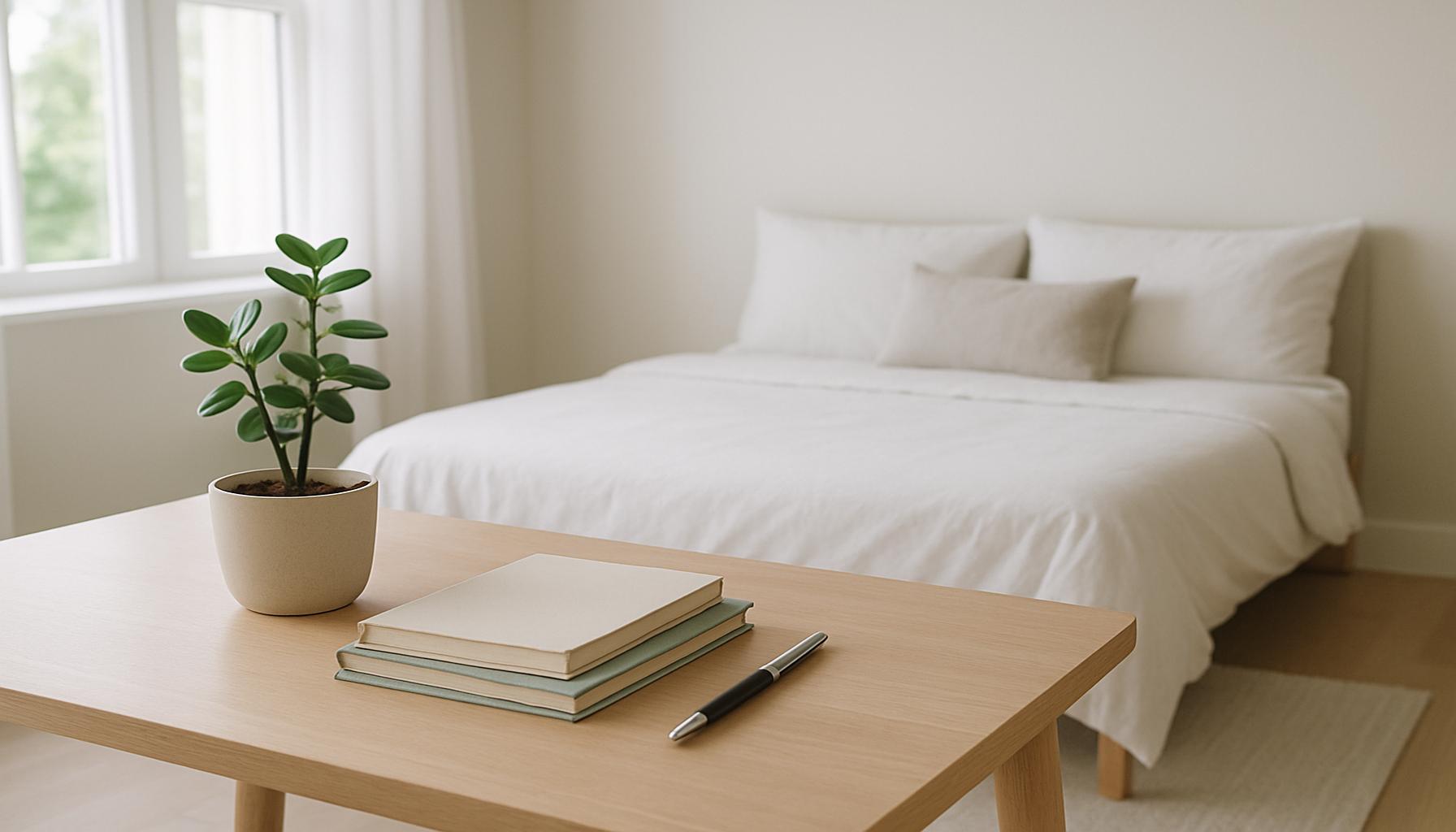
Discover the Transformative Journey of Minimalism
In today’s fast-paced world, the concept of minimalism is gaining traction as a powerful tool for enhancing productivity and well-being. With overwhelming distractions and clutter, many are seeking ways to streamline their lives. But what does it truly mean to embrace minimalism?
The essence of minimalism lies in simplicity and intentionality. By adopting its principles, you can:
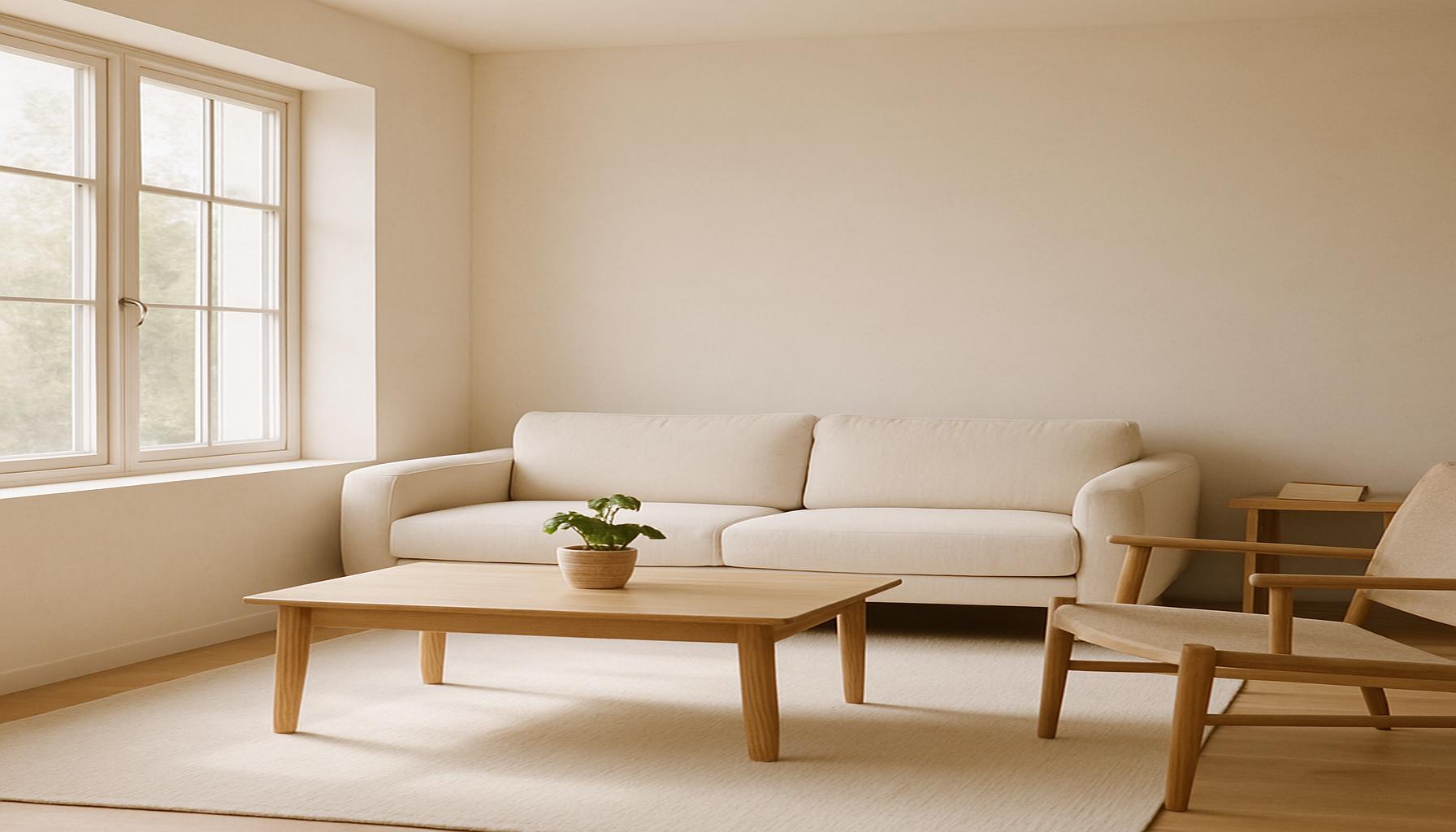
- Declutter your physical space for a more serene environment. This means removing items that are unnecessary or do not bring joy, creating an atmosphere that promotes relaxation and focus. Consider the minimalist home designs that utilize open spaces and natural light, which have been shown to reduce stress and enhance mood.
- Prioritize your time by focusing on what truly matters. Minimalism encourages individuals to analyze their schedules and commitments, ultimately saying ‘no’ to activities that contribute little to their sense of fulfillment. This leads to a more balanced life, where you can invest time in relationships, hobbies, and self-care.
- Enhance mental clarity through reducing distractions. By limiting the number of tasks on your to-do list and minimizing digital noise, such as social media notifications and emails, you create a clearer path toward your goals. Research indicates that fewer distractions can significantly improve productivity and engagement in tasks.
Imagine walking into a room where every item serves a purpose and contributes to your happiness. Picture a living space with carefully curated decor, devoid of excessive furniture that crowds the mind. Minimalism challenges the notion of “more is better” and encourages us to reevaluate our possessions and commitments. This philosophy resonates deeply, particularly in the United States, where consumer culture often pushes us to acquire more.
As we explore the practical applications of minimalism, you will discover how to create an organized life by eliminating excess and embracing simplicity. This journey can transform not only your surroundings but also your mindset, allowing for greater creativity and peace. For example, many individuals have reported more profound emotional satisfaction after decluttering their lives and adopting a minimalist lifestyle.
Ready to learn how to apply these minimalism principles to your everyday life? From creating a clutter-free workspace to adopting mindful consumption habits, there are numerous strategies to explore. Join us as we delve deeper into tips and techniques that can help you achieve a more organized and fulfilling existence, paving the way for both personal and professional growth.
Embracing Minimalism: The Foundation for Organizing Your Life
To truly harness the power of minimalism in organizing your life, understanding its core principles is crucial. Minimalism is not simply about owning fewer things; it’s about making room for what truly enhances your life. By shifting your focus from accumulation to purpose, you can start on a path that leads to a more intentional and meaningful existence.
Here are some fundamental steps to help you integrate minimalism into your daily routine:
- Assess Your Belongings: Begin by evaluating what you own. Take a room-by-room inventory of your possessions and ask yourself whether each item serves a purpose or brings you joy. This practice can be eye-opening and often reveals that we hold onto items out of habit rather than necessity.
- Create a ‘Keep, Donate, Discard’ System: Once you’ve assessed your belongings, create three categories: items to keep, those to donate, and those to discard. Be ruthless in your decision-making; let go of anything that no longer fits into your vision for a simplified lifestyle.
- Limit Future Purchases: To maintain a minimalist lifestyle, it’s essential to establish guidelines for future purchases. Implement a one-in-one-out rule where for every new item you bring home, another item must leave. This prevents accumulation and ensures you are intentional about what you allow into your space.
- Organize Your Space with Intent: With the remaining items, take the time to create an organized and visually appealing environment. Utilize storage solutions that keep clutter at bay, while allowing easy access to your most used items. For instance, open shelving can provide a streamlined view of your essentials, while bins can help maintain order.
In addition to physical belongings, minimalism extends to mental clutter. This aspect of minimalism often goes unnoticed but is equally important. Reducing mental overload involves setting clear priorities and recognizing the importance of your time. Try implementing strategies such as:
- Mindful Time Management: Instead of filling your calendar with numerous commitments, focus on a select few that align with your goals and values. Consider time-blocking to dedicate specific periods for tasks that require deep concentration.
- Digital Decluttering: Just as physical spaces can become cluttered, so too can your digital life. Take the time to unsubscribe from unwanted emails, delete old files, and limit social media use. A cleaner digital environment can lead to greater focus and productivity.
By actively employing these strategies, you’re not just organizing your life; you’re also creating a foundation for sustainable minimalism. This approach fosters a harmonious balance between your physical surroundings and mental state, ultimately leading to a more fulfilling life. As you continue to explore the principles of minimalism, you’ll find that it encourages not just simplification but also an invitation to reflect on what truly matters.
How to Implement Minimalism in Daily Life
When it comes to organizing your life with minimalism principles, implementing practical strategies can make a significant difference. The core of minimalism revolves around simplifying your surroundings and focusing on what truly matters. Here are steps to help you integrate these principles effectively.
1. Declutter Your Space
The first step towards minimalism is decluttering. Begin by assessing each area of your home and workspace. Ask yourself if each item is adding value to your life. If it doesn’t spark joy or serve a practical purpose, consider donating or discarding it.
2. Prioritize Essentialism
Focus on essentialism, which involves prioritizing the most important tasks and responsibilities. Create lists to identify what needs to be accomplished weekly. This strategy will prevent you from feeling overwhelmed and help you focus your energy on significant activities.
3. Limit Digital Clutter
In the digital age, digital clutter can be just as overwhelming as physical clutter. Regularly clean up emails, unsubscribe from newsletters, and organize files into clearly labeled folders. This practice can enhance productivity and reduce stress.
4. Practicing Mindfulness
Incorporate mindfulness into your daily routine. Take a few moments to pause and reflect, allowing you to stay grounded amid the chaos. Mindfulness practices encourage you to appreciate the present moment and make intentional decisions about your belongings and lifestyle choices.
5. Embrace Quality over Quantity
When acquiring new items, adopt a philosophy of quality over quantity. Investing in fewer, high-quality items can lead to long-term satisfaction and reduce the need for frequent replacements. This approach aligns perfectly with minimalism, allowing you to cherish every piece you own.Continuing to embrace these foundational steps, you’ll discover not only how to organize your life more effectively but also the deeper satisfaction and peace that minimalist living can provide.
| Advantage | Key Insights |
|---|---|
| Increased Focus | Minimalism helps eliminate distractions, allowing you to concentrate on important tasks. |
| Stress Reduction | A decluttered environment promotes a peaceful mindset, reducing anxiety and stress levels. |
| Financial Freedom | Spending less on unnecessary items can enhance your savings and overall financial health. |
| Enhanced Creativity | With fewer distractions, you can tap into your creativity and explore new ideas. |
By understanding these advantages, you can better appreciate the transformative potential of minimalism in your life.
Streamlining Daily Routines for a Minimalist Lifestyle
As you adopt minimalism principles to organize your life, it is essential to also streamline your daily routines. One of the key tenets of minimalism is eliminating the unnecessary and focusing on what brings value and meaning. This focus can significantly enhance productivity, lower stress, and ultimately lead to a more satisfying daily experience. Here are some strategies to help you simplify your routines:
- Establish a Morning Routine: A well-crafted morning routine can set the tone for your entire day. Incorporate activities that promote mindfulness, such as meditation or journaling, to help clear your mind before diving into daily tasks. Choose a few key activities that energize you, rather than overwhelming yourself with a lengthy list of things to do.
- Reduce Decision Fatigue: Make choices simpler by preparing the night before. Lay out your clothes, plan meals, and set a to-do list for the next day. This cuts down on small decisions that can consume mental energy, helping you to focus on more significant choices throughout the day.
- Declutter Your Schedule: Review your commitments regularly and eliminate those that do not align with your goals or priorities. Learning to say “no” can be liberating and allows you to devote more time to what truly matters in your life. For instance, if you’re consistently attending events out of obligation rather than enjoyment, it might be time to step back.
Another essential area to explore in your minimalist journey is simplifying your finances. The financial aspects of minimalism are often overlooked but can lead to substantial benefits:
- Create a Budget: Develop a clear budget that highlights income, expenses, and savings goals. Utilize budgeting apps that can help track your spending and remind you of your financial priorities. This transparency can help you align spending with values, steering you away from purchases driven by impulse or societal pressure.
- Practice Conscious Consumerism: Adopt a mindset that prioritizes quality over quantity. Instead of purchasing numerous low-quality items, focus on investing in fewer, high-quality possessions that will last longer and serve you better. Research brands that share your values and aim for sustainability in their products.
- Automate Your Savings: Set up automatic transfers to your savings account every month. This makes saving a priority without having to actively think about it, allowing your money to accumulate and potentially freeing you from financial clutter in the future.
In addition to these practical strategies, embracing minimalism also requires a shift in perspective. It can cultivate a sense of gratitude by helping you appreciate what you already have rather than becoming obsessed with what you lack. Engaging in activities like regular gratitude journaling can foster this mindset and further enhance your organizing efforts.
As you delve deeper into the minimalist lifestyle, consider exploring communities or online forums where individuals share their experiences and strategies. The minimalist movement has gained momentum in various parts of the United States, with numerous blogs, podcasts, and even documentaries dedicated to the subject. Engaging with others can provide motivation, inspiration, and insights that you may not have considered.
Ultimately, organizing your life with minimalism principles extends beyond mere physical decluttering. It is a holistic approach that affects your mental well-being, financial health, and overall life satisfaction. By embracing these strategies, you can create a structured and intentional lifestyle that prioritizes what truly fulfills you.
Conclusion: Embracing Minimalism for a Balanced Life
Incorporating minimalism principles into your life offers a transformative opportunity to create a more organized, peaceful, and fulfilling existence. As highlighted in this article, the journey toward minimalism is not solely about reducing physical possessions; it also encompasses streamlining daily routines, simplifying finances, and fostering a mindset that prioritizes meaningful experiences over material accumulation.
By establishing a thoughtful morning routine, reducing decision fatigue, and decluttering your schedule, you can cultivate a lifestyle that emphasizes clarity and purpose. Moreover, adopting practices like conscious consumerism and automated savings helps to align your financial choices with your values, allowing you to escape the cycle of impulse buying and financial stress.
As you reflect on the minimalist lifestyle, consider that this journey is also about a mental shift—appreciating what you have rather than fixating on what you lack. Engaging with communities across blogs and social media can provide further insights, offering inspiration and connection with others who share your minimalist aspirations.
Ultimately, applying minimalism principles in organizing your life can lead to a balanced and enriched existence, where every possession and commitment has a clear purpose. Embrace this holistic approach, and you may discover that the simplicity of your surroundings and schedules can pave the way for greater joy and fulfillment in every facet of life. Start your minimalist journey today and unlock the potential for a life filled with intention.