The Connection between Minimalism and Mental Health: Living Intentionally in a Chaotic World
Exploring Minimalism and Mental Health
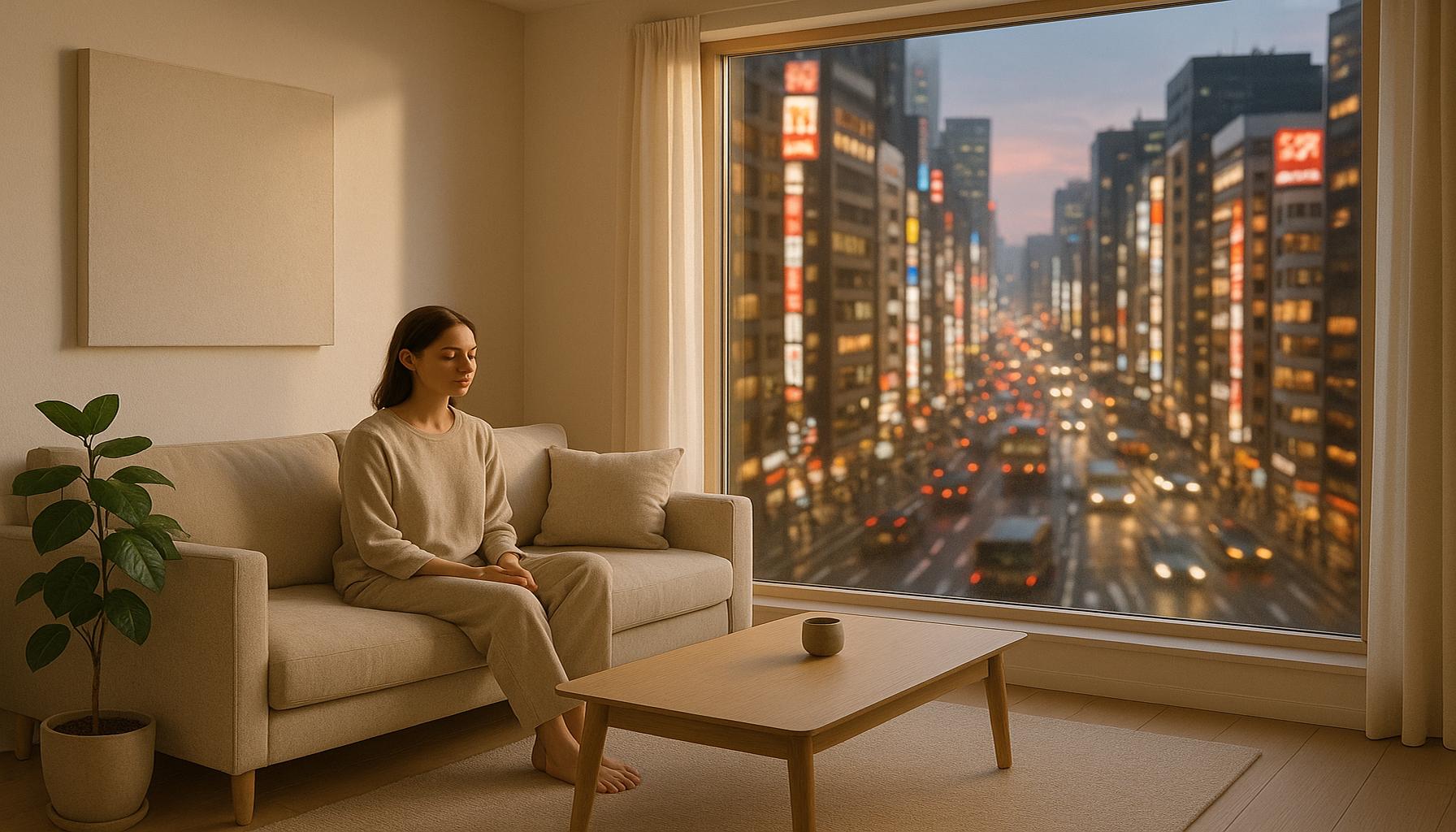
As the pace of life accelerates, many are turning towards minimalism as a means of coping with stress and anxiety. In a world filled with distractions, clutter, and constant demands on our attention, the call for simplification resonates deeply. Could adopting a minimalist lifestyle promote better mental health? Let’s delve into the intriguing connection.
- Decluttering your space can lead to a clearer mind.
- Intentional living fosters mindfulness and reduces overwhelm.
- Less attachment to possessions encourages emotional resilience.
Research suggests that many individuals report reduced stress and improved focus after embracing minimalism. By paring down possessions, they also rid themselves of distractions that cloud clarity. This intentional approach invites a lifestyle that prioritizes well-being over material accumulation.
Benefits of Minimalism for Mental Health
The benefits extend beyond just physical space; consider how minimalism can also impact:
- Emotional clarity—fewer distractions help streamline thoughts.
- Financial freedom—spending less can reduce economic stress.
- Time management—fewer obligations lead to more leisure time.
This practice of decluttering one’s surroundings has been linked to lower levels of anxiety and increased satisfaction with life. For instance, a study conducted by the University of Messina found that individuals living in cluttered environments frequently experienced heightened symptoms of anxiety and irritability. Conversely, those who engaged in decluttering activities reported improved cognitive flexibility, allowing them to think more clearly and make decisions more effectively.
Intentional living—a cornerstone of minimalism—also plays a crucial role in enhancing mental health. By prioritizing meaningful experiences and relationships over material possessions, individuals cultivate deeper connections and a stronger sense of purpose. This approach aligns with findings from a Duke University study which revealed that people who allocate their resources towards experiences, rather than possessions, have lower levels of regret and greater overall happiness.
Moreover, as individuals reduce their attachment to possessions, they often find themselves developing greater emotional resilience. Letting go of items can be an empowering process that fosters a mindset conducive to embracing life’s uncertainties. For example, many minimalists practice gratitude for what they have, often leading to a more optimistic outlook on life.
As we explore this connection further, the question becomes: can living intentionally in a chaotic world not only simplify our lives but also enhance our mental health? Join us as we examine how minimalism could serve as a pathway to greater well-being. In a country where consumerism thrives, the minimalist movement invites reflection on what truly adds value to our lives, urging us to seek the profound over the superficial. Whether you aspire to declutter your home, simplify your schedule, or focus on relationships, minimalism offers a fresh perspective on finding peace and balance in an overwhelming world.
Understanding the Impact of Clutter on Mental Well-Being
Clutter doesn’t just occupy space; it can also overwhelm our mental faculties. Numerous studies indicate that a disorganized environment often correlates with increased anxiety and decreased productivity. A 2010 study published in the journal Personality and Social Psychology Bulletin highlighted that women who perceived their homes as cluttered reported higher levels of stress compared to those who saw their living spaces as calm and organized. This phenomenon is often attributed to what psychologists term the “cognitive load”—the mental effort that must be exerted to process various stimuli and distractions in our environment.
The minimalist philosophy encourages individuals to declutter their lives, which can significantly lighten this cognitive load. By removing physical possessions that do not serve a purpose or bring joy, individuals open up not just their space but also their mental capacity for clearer thinking. Decluttering your environment can thus be an essential step in promoting mental clarity and reducing the overwhelming feelings brought about by chaos.
Furthermore, minimalism promotes a shift from material obsession to valuing experiences. When individuals learn to detach from the need to acquire more, they generally find themselves more present and engaged in their everyday lives. This move towards intentional living cultivates a mindset centered around mindfulness, which has been shown to alleviate symptoms of anxiety and depression.
Benefits of Emotional Resilience through Minimalism
Embracing minimalism can contribute to developing emotional resilience. Here are several key ways minimalism facilitates this transformation:
- Reduction in decision fatigue—fewer possessions mean fewer choices, leading to less mental exhaustion.
- Space for self-reflection—a simplified environment encourages introspection and personal growth.
- Enhanced adaptability—learning to let go of material items can translate into greater flexibility in life’s challenges.
As individuals gain clarity through decluttering, they often discover that the act of letting go is a powerful lesson in acceptance. This clarity not only aids in generating a focused and positive mindset but can also encourage a more fulfilling and purposeful life. A 2018 survey conducted by the American Psychological Association suggests that individuals practicing minimalism report higher levels of life satisfaction, as the emphasis on experiences over possessions fosters a culture of gratitude.
The journey toward minimalism is not just about reducing clutter; it’s about cultivating a way of living that enhances our emotional state amid the distractions of modern life. As we navigate through this exploration, we find that stripping away the unnecessary paves the way for a more harmonious existence, one where mental health takes precedence in the pursuit of happiness.
As we dive deeper into the intricate relationship between minimalism and our mental health, it’s essential to explore how adopting a simpler lifestyle can lead to profound psychological benefits. By intentionally reducing the clutter in our physical spaces, we can also clear the mental fog that often accompanies chaotic environments. This notion is particularly significant in a world overflowing with distractions and overstimulation, where the pursuit of more can compromise our sense of peace.
One of the primary advantages of minimalism is its ability to promote mindfulness. When individuals begin to declutter their possessions and focus on the essentials, they often find themselves becoming more present and engaged with their surroundings. This heightened awareness fosters a sense of calm, allowing one to relish in the small joys of daily life. Studies show that a decluttered environment can improve focus and reduce anxiety, highlighting how living intentionally can enhance mental well-being.
Moreover, adopting a minimalist lifestyle can lead to improved emotional resilience. In choosing to prioritize what truly matters, individuals can break free from societal pressures and expectations. This new-found freedom allows individuals to cultivate a deeper connection with themselves and their values, leading to a more authentic and fulfilling life. This authentic living not only reduces stress but also nurtures better relationships, both with oneself and others.
Ultimately, the essence of minimalism is rooted in intention. By consciously deciding what to keep in our lives, we actively reclaim our space, time, and energy, harnessing these elements to create a life that resonates with our core values. This transformative journey is not just about discarding physical items; it represents a shift towards embracing a healthier mentality, proving that simplicity can indeed be a pathway to profound happiness and peace in a tumultuous world.
| Advantages of Minimalism | Impact on Mental Health |
|---|---|
| Promotes mindfulness | Enhances focus and reduces anxiety by creating a clear space. |
| Encourages emotional resilience | Nurtures authentic relationships and connections with oneself. |
Embracing Intention: The Role of Mindfulness in Minimalism
As minimalism encourages individuals to streamline their possessions, it simultaneously advocates for a more intentional way of living. This intentionality extends beyond physical items to how we engage with our surroundings, our relationships, and ourselves. The practice of mindfulness—the art of being present and fully engaged with the moment—becomes a crucial aspect of this journey. Numerous psychological studies have shown that mindfulness can decrease symptoms of stress, anxiety, and depression, providing a roadmap for emotional well-being.
The connection between mindfulness and minimalism is profound. When the incessant distractions of materialism are stripped away, individuals tend to experience heightened awareness of their thoughts and feelings. A powerful study published in the journal Psychological Science found that engaging in mindful practices led participants to experience greater emotional regulation, resulting in improved overall mental health. This process aligns seamlessly with the minimalist ethos of valuing quality over quantity, whether in our possessions or our life experiences.
Just as physical clutter can drain mental energy, so too can an overstimulating schedule. Minimalism encourages a thoughtful approach to time management—prioritizing essential activities and commitments while discarding the superfluous. The phenomenon of “time clutter” can lead to burn-out, particularly evident in our fast-paced, productivity-driven society. By stripping away unnecessary obligations, individuals can cultivate a healthier connection with their time, affording themselves the opportunity for self-care and relaxation.
Tools and Strategies for a Minimalist Mindset
Transitioning toward minimalism and its associated benefits requires tools and strategies to facilitate the journey. Here are some effective approaches:
- The 30-Day Minimalism Game—This challenge encourages participants to declutter one item on day one, two items on day two, and so forth. This incremental approach fosters consistent progress.
- Mindful Consumption—Encouraging individuals to pause before making purchases allows for deeper reflection on needs versus wants, highlighting the long-term value of experiences over possessions.
- Digital Decluttering—Reducing screen time and minimizing digital distractions (such as social media and notifications) can significantly enhance mental clarity, paralleling the physical decluttering of space.
Incorporating these strategies into daily life not only promotes a minimalist mindset but also nurtures mental health as individuals gain a sense of control over their environment. A 2021 study from the Journal of Environmental Psychology emphasizes that engaging in acts of decluttering can elevate mood and invoke feelings of accomplishment and empowerment.
Furthermore, the communal aspect of minimalism cannot be overlooked. Sharing minimalist values with like-minded individuals fosters a sense of community and support, enhancing mental resilience. Participating in *local workshops* or *online forums* can provide individuals with encouragement while navigating the challenges of adopting minimalism. In essence, the journey towards minimalism becomes more enriching when shared with others who are also seeking clarity and peace.
Conclusion: A Pathway to Clarity and Balance
In a world rife with chaos and excess, minimalism offers a compelling blueprint for enhancing mental health through intentional living. By reducing physical clutter and embracing mindfulness, individuals can rediscover a sense of clarity that allows them to engage more meaningfully with their surroundings and themselves. The evidence reflecting the psychological benefits of minimalism—from enhanced emotional regulation to decreased anxiety—underscores the significance of stripping away distractions that can overwhelm the mind.
The integration of practical strategies, such as mindful consumption and digital decluttering, empowers individuals to take control over their environments and time. This, in turn, facilitates a healthier relationship with both personal space and the ever-demanding schedules many face today. As emerging studies illustrate the connection between minimalism and improved mental well-being, it becomes evident that this lifestyle isn’t merely a trend but rather an essential tool for maintaining psychological resilience amidst daily stressors.
Furthermore, the communal aspect of minimalism fosters connections that amplify our collective well-being, as individuals support each other in pursuing a more intentional lifestyle. Shared experiences, discussions, and workshops amplify the sense of belonging and provide motivation along this transformative journey.
Ultimately, exploring minimalism in pursuit of mental health encourages a profound shift in perspective: an invitation to prioritize quality over quantity, value experiences over possessions, and cultivate a meaningful life amidst the abundant distractions of contemporary existence. With each step taken toward intentional living, one may find not only a decluttering of space but also a soothing of the mind, opening doors to greater peace and fulfillment in an all-too-chaotic world.