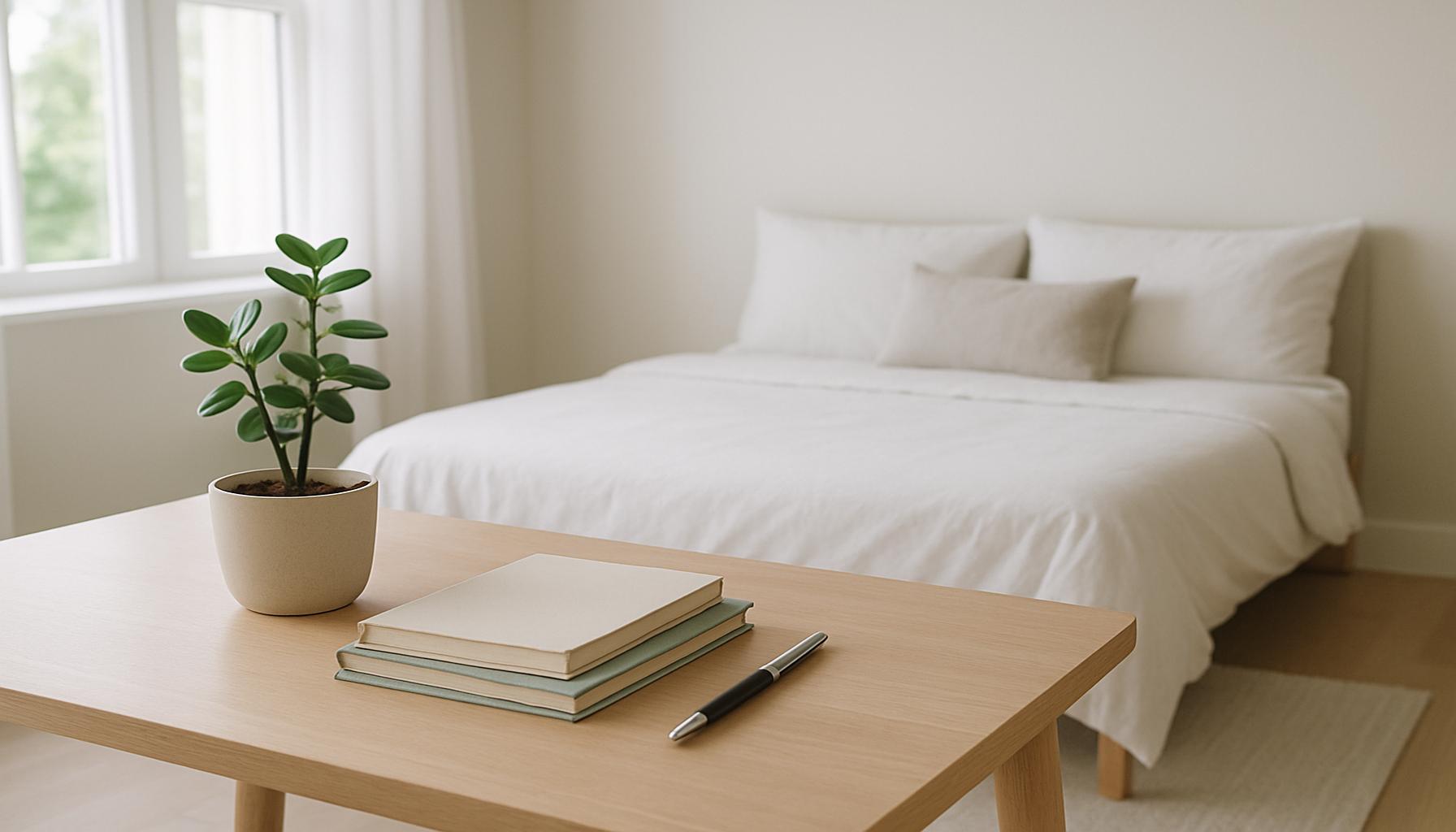
The Psychology of Minimalism: Finding Peace in Less
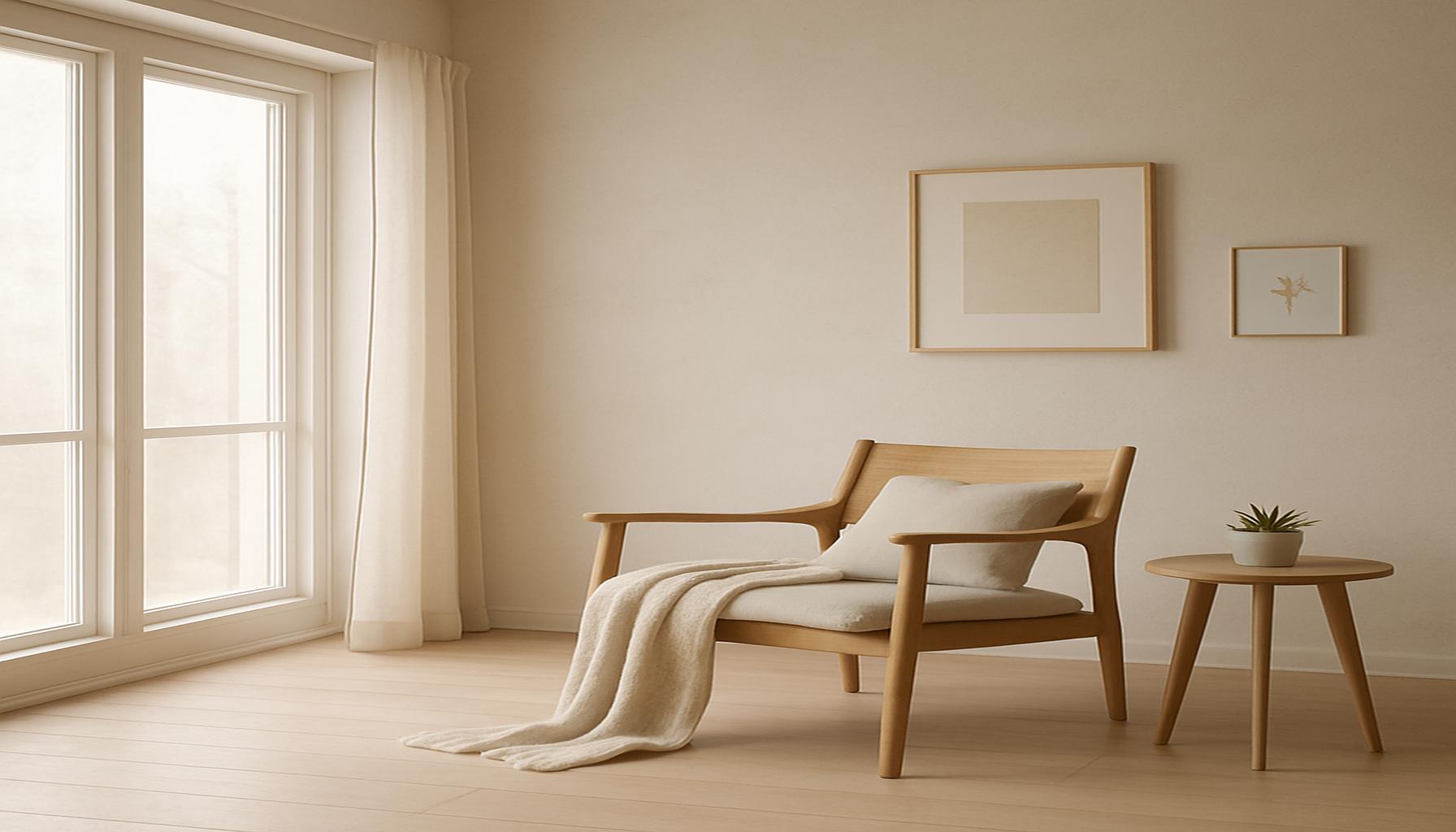
The Allure of Simplicity in a Chaotic World
In a society increasingly burdened by excess and distractions, a shift towards minimalism offers a compelling antidote. This lifestyle, encapsulated by the philosophy of “less is more,” not only prompts individuals to scrutinize their physical possessions but also encourages a profound introspection into their relationships and objectives. By eliminating excess, minimalism has the potential to transform not just our living spaces but also our mental well-being, leading to a clearer, more engaged existence.
Understanding the Psychological Benefits
The psychology behind minimalism reveals several significant advantages that can enhance our mental state. Here are some of the core benefits:
- Clarity: A decluttered space fosters mental sharpness. Studies have shown that individuals in tidy environments are better able to process information and make decisions. This clarity can be especially beneficial in high-stakes environments, such as workplaces, where focus is crucial.
- Focus: With fewer distractions cluttering our surroundings, we can hone in on what truly matters. This could mean dedicating more time to hobbies, fostering relationships, or enhancing career skills. By creating an orderly space, individuals often find that they can pour their energy into their passions.
- Stress Reduction: Living in a clutter-free environment is linked to lower levels of anxiety. A 2011 study from the Personality and Social Psychology Bulletin found that women who described their homes as cluttered were more likely to experience stress. Reducing clutter can lead to a calmer, more peaceful mindset.
- Intentional Living: Minimalism encourages a conscious approach to living. Choices regarding friendships, purchases, and lifestyle are made with intention rather than impulse, which can foster a sense of control and empowerment over one’s life.
A Growing Trend in America
Statistics reveal a startling truth: over 70% of Americans report feeling overwhelmed by their possessions. As stress levels rise due to the relentless pace of modern life, the movement towards decluttering becomes increasingly appealing. Many individuals are beginning to embrace minimalism not only as a trend but as a pathway to mental serenity and personal fulfillment.
In recent years, social media platforms have seen a surge in minimalist influencers who promote the lifestyle’s simplicity, sharing before-and-after decluttering photos that showcase the transformation of spaces and minds alike. This has sparked discussions about how one’s environment can directly impact one’s mood and overall well-being.
Practical Steps Towards Minimalism
For those intrigued by this lifestyle, there are practical steps to incorporate minimalism into daily life. Start small by decluttering a single drawer or a closet. Ask yourself questions like, “Do I use this?” or “Does this bring me joy?” Establishing a ‘one in, one out’ rule can also help maintain balance in possessions. Moreover, setting up a regular schedule for reflecting on what you own can help keep your environment intentional and serene.
Join us as we explore further the psychological benefits of minimalism, the principles underlying this transformative movement, and actionable tips for fostering a simplified, enriched life.
The Transformative Nature of Decluttering
Minimalism is more than just a design aesthetic; it is a transformative lifestyle that has the potential to reshape our mental landscapes. By implementing minimalism, we create a deliberate environment that directly impacts our mood and productivity. The shift from excess to simplicity invites a deeper examination of what we truly value, leading to a renewed sense of purpose.
A Clean Slate for the Mind
One of the most notable psychological effects of minimalism is the creation of a mental clean slate. Psychologists suggest that our surroundings can significantly influence our cognitive functions. A cluttered space can evoke feelings of overwhelm, which distracts us from our priorities. In contrast, by cultivating a minimalist environment, we facilitate mental clarity. Research indicates that individuals in neater settings report lower levels of task completion anxiety and increased productivity.
Furthermore, minimalism helps with decision fatigue. When faced with an abundance of choices, our brains can become overloaded, leading to paralysis by analysis. By reducing the number of physical items we manage, decision-making becomes more straightforward. This principle extends to emotional considerations as well, as we are encouraged to evaluate relationships and commitments in a similar light.
Fostering Mindfulness Through Minimalism
A minimalist lifestyle fosters introspection and mindfulness. Each item we choose to keep in our lives serves a purpose. This thought process aligns with the principles of mindfulness, where awareness of our thoughts and choices is paramount. Incorporating mindfulness into our decluttering efforts encourages us to consider not only what we possess but also the emotions tied to those belongings. This can lead to a deeper understanding of our personal values and desires.
Emotional Liberation and Stress Management
For many, embracing minimalism can act as a form of emotional liberation. The act of letting go—whether that entails donating clothes or purging outdated technology—can bring an exhilarating sense of relief. As we relinquish items that no longer serve us, we often experience a decline in stress and anxiety. Studies have shown that people who actively engage in decluttering report feeling less anxious and more in control of their lives. This emotional release is a significant component of well-being and contributes to a peaceful state of mind.
The Ripple Effect of Minimalism
The principles of minimalism extend beyond mere possessions; they encourage us to critically evaluate our time commitments, relationships, and consumption habits. The ripple effect of adopting minimalism can lead to a more balanced lifestyle where we focus on quality rather than quantity. Individuals find satisfaction in experiences, personal growth, and meaningful connections rather than scattered possessions. Such transformations pave the way for a more fulfilling existence, where individuals can find peace not just in their surroundings but within themselves.
As we delve deeper into the psychology of minimalism, we will uncover additional insights and practical strategies that can aid in this journey toward simplicity and serenity in our busy lives.
The Psychology of Minimalism: Finding Peace in Less
Minimalism, often perceived merely as an aesthetic or lifestyle choice, **holds profound psychological benefits** that resonate deeply in our fast-paced world. A significant aspect of this practice is the emphasis on intentional living—choosing to surround oneself with only what truly matters. This conscious curation leads to a more focused and content existence, reducing **overwhelm and anxiety** that arises from clutter, both physical and mental. As we start shedding excess possessions, we concurrently loosen **the mental weight** that often burdens our daily lives.
Research indicates that decluttering our environment can lead to significant reductions in stress levels. When individuals embrace minimalism, they often report increased clarity of thought and improved ability to concentrate. By eliminating distractions, life’s complexity diminishes, allowing for greater appreciation of the present moment. This shift not only enhances personal well-being but also promotes healthier relationships with others, as we invest **more quality time and energy** on connections that truly matter.
Moreover, minimalism fosters financial prudence. As consumers choose to buy less and invest in higher quality items, they ultimately align their spending habits with their values, creating a **healthier relationship with money.** This transition not only promotes sustainability but also encourages individuals to make conscious decisions about their purchases, leading to a more meaningful and purpose-driven life.
| Category 1 | Category 2 |
|---|---|
| Mental Clarity | Reduced distraction and increased focus |
| Emotional Relief | Less clutter leading to decreased anxiety levels |
| Financial Awareness | Encourages mindful purchasing and investment in quality |
Incorporating minimalism into one’s life is more than just physical decluttering; it is a **holistic approach to achieving tranquility.** By understanding and leveraging its psychological benefits, individuals can embark on a transformative journey toward greater peace, fulfillment, and a deeper connection to their surroundings.
The Psychological Benefits of Intentional Living
As the journey into minimalism unfolds, individuals often find unexpected psychological benefits that enrich their overall quality of life. Living intentionally—choosing to engage only in activities and surround oneself with belongings that genuinely matter—leads to significant mental health improvements. This intentionality promotes a sense of agency, allowing individuals to reclaim control over their lives in ways that clutter and excess prevent. By curating their experiences and environments, people cultivate a stable foundation for happiness.
The Role of Simplicity in Emotional Well-Being
Simplicity has been shown to correlate with emotional also well-being in profound ways. The chronic stress derived from modern life often intensifies feelings of inadequacy and anxiety. In contrast, minimalism offers the antidote: simplified living. Research indicates that minimalism emphasizes low-stress environments, where distractions are minimized, enabling individuals to engage in deeper self-reflection and mindfulness. The calmness derived from simplicity can foster a heightened sense of contentment, a desired state for many.
Nurturing Gratitude Through Less
A minimalist approach allows for the cultivation of gratitude. By reducing the material possessions around us, individuals develop a greater appreciation for what they do have. This practice resonates with psychological research indicating that gratitude can significantly enhance mental health, leading to greater happiness and reduced symptoms of depression. Embracing fewer items fosters a mindset of appreciation rather than entitlement, which can profoundly influence personal relationships and self-perception.
Creating Space for Joy and Freedom
Another aspect of minimalism that contributes to psychological health is its ability to create space—not just physically, but emotionally and mentally. By eliminating what no longer serves us, we inadvertently make room for experiences that genuinely bring joy. This notion aligns with the positive psychology movement, which emphasizes strengths-based approaches focusing on personal growth and fulfillment. Engaging in hobbies, spending time with loved ones, or simply enjoying quietude can become part of an enriching lifestyle when we are not burdened by excess.
Minimalism as a Tool for Resilience
Beyond individual benefits, minimalism equips people with tools to build resilience. In a world often driven by consumerism and external validation, the practice of minimalism reinforces internal values over material ones, enabling individuals to bounce back from adversity. This adaptability is crucial in achieving long-term mental wellness since it encourages individuals to prioritize needs over wants and fosters strength in navigating life’s challenges.
A guiding principle of minimalism is to embrace ‘less is more.’ For many, this leads to a deep sense of fulfillment that transactional possessions cannot offer. The acknowledgment that emotional health flourishes in simplicity can motivate many to delve into the transformative journey of minimalism, leading them to explore how they engage with their lives on multiple levels. As such, the psychology of minimalism proves to be a compelling field that not only illuminates the path to a more peaceful existence but also offers practical methods for improving mental well-being in today’s fast-paced world.
Conclusion: Embracing Minimalism for Mental Clarity
In a world overwhelmed by the demands of modern life, the psychology of minimalism shines a light on the profound benefits of living with intention and simplicity. By actively choosing to engage with less, individuals cultivate environments that promote focus, emotional well-being, and personal growth. The practice of minimalism encourages a shift from material accumulation to fostering authentic connections and experiences, ultimately leading to a more enriching lifestyle.
Research substantiates the claims that less can indeed be more, highlighting the positive impacts of reduced clutter on mental health. With increased mindfulness and a greater appreciation for what we possess, we unlock new avenues for joy and resilience. As we let go of the excess that weighs us down, we create mental space that allows for emotional clarity and gratitude—leading to a deeper understanding of what truly matters in our lives.
As the popularity of minimalism continues to rise, it offers a counter-narrative to the incessant consumerism prevalent in society today. This movement encourages us to question our relationship with our belongings and to consider how we can prioritize our mental and emotional health over societal expectations. Therefore, embracing minimalism is not merely about reducing our possessions; it’s an invitation to reshape our lives and fulfill our deeper desires for peace, happiness, and resilience.
For those interested in exploring this transformative journey, numerous resources and communities await to support and guide individuals along the path of intentional living. Ultimately, finding peace in less is not just a lifestyle choice, but a profound psychological journey toward a more balanced and fulfilling existence.