5G Technology and Its Role in the Transformation of Smart Cities in the USA
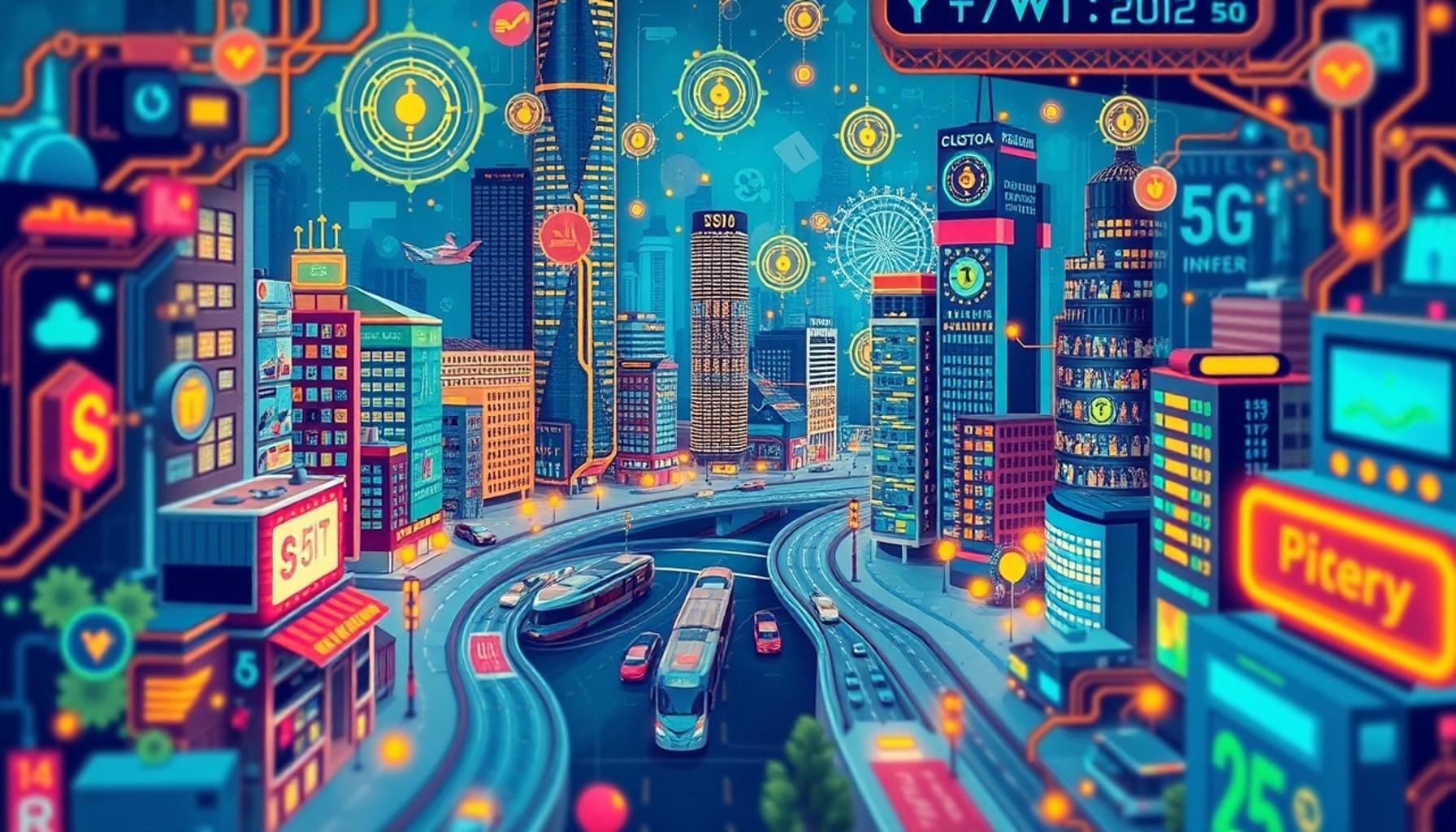
Understanding 5G Technology in Smart Cities
5G technology is more than just a new cellular network; it represents a paradigm shift in urban development across the United States. As cities progressively embrace the smart city model, the demand for faster, more efficient avenues of communication becomes imperative. This advanced network opens the door to unprecedented levels of connectivity, significantly enhancing the overall living experience for urban dwellers.
Here’s a closer look at why 5G technology is crucial in redefining urban landscapes:
- Enhanced Connectivity: The hallmark of 5G is its incredible data transfer speeds, which can be up to 100 times faster than 4G. This rapid speed allows residents and vehicles to connect seamlessly with various devices and systems throughout the city. For instance, smart traffic lights can adapt in real-time to traffic conditions, significantly reducing wait times and improving the flow of vehicles.
- Real-Time Data Processing: With the deployment of smart sensors powered by 5G, urban infrastructure can monitor traffic, energy consumption, and even weather conditions instantaneously. This real-time processing leads to better decision-making and enhanced operational efficiency. For example, cities can use data analytics to optimize energy distribution or manage public transport schedules, ensuring that resources are allocated efficiently.
- Improved Public Services: 5G enhancement improves the communication networks used by emergency services. In critical situations, like natural disasters or health emergencies, first responders can share information instantly across various platforms. This improves their coordination, leading to quicker interventions and saving lives.
Several prominent cities like Chicago, Los Angeles, and New York have started harnessing the power of 5G technology. They are among the leaders in developing projects that leverage this transformative technology to address urban challenges:
- Smart Traffic Management: These systems utilize real-time data to adapt traffic signals, reducing congestion and enhancing commute times for residents.
- Environmental Monitoring: Smart sensors can track air quality and pollution levels, leading to actionable insights that help in protecting public health and enhancing environmental quality.
- Intelligent Waste Management: Deploying smart bins that monitor waste levels can streamline collection processes, ensuring that garbage is disposed of efficiently and reducing operational costs.
In summary, 5G technology serves as the backbone for the progressive future of smart cities in the USA. By fostering innovation across multiple sectors, it greatly enriches the quality of life for all residents. The journey toward fully integrated smart cities is just beginning, and the potential for advancements in urban living is immense, offering exciting possibilities for a connected future.
DISCOVER MORE: Click here to learn about digital transformation in developing countries
The Transformative Power of 5G in Urban Applications
5G technology is foundational for innovation in various urban applications within smart cities. By significantly increasing bandwidth and reducing latency, this new technology supports a plethora of smart applications that can transform city life. As American cities continue to grow and evolve, the opportunities provided by 5G technology become increasingly apparent. Here, we delve into some specific applications that illustrate its profound impact on urban infrastructure and services.
Smart Transportation Systems
One of the most promising areas where 5G technology shines is in smart transportation systems. Traditional traffic management relies on historical data and static signals, often leading to frustration for commuters. With 5G, cities can implement systems that use real-time data to dynamically adjust traffic lights based on actual traffic conditions. For example, in Dallas, smart traffic lights connected through 5G have demonstrated the ability to optimize traffic flow during rush hour, ultimately leading to reduced travel times and decreased emissions.
Public Safety Enhancements
The field of public safety also stands to benefit immensely from 5G’s capabilities. Law enforcement and public safety agencies can now utilize connected body cameras that transmit data instantaneously back to command centers. This real-time connectivity allows for better oversight and rapid response during emergencies. In cities like Miami, emergency responders are equipped with enhanced communication tools that provide them with critical information as events unfold, ensuring their preparedness when it matters the most.
Health and Well-Being
Another vital application of 5G technology is in the realm of health care, specifically through telemedicine and remote patient monitoring. With the rise of chronic diseases and an aging population, healthcare providers need efficient ways to connect with patients. Utilizing 5G-enabled telehealth platforms, healthcare professionals can now perform remote consultations and share diagnostic data in real-time. This improved access to care is particularly crucial in rural areas, where timely medical services can make a significant difference. In places like Atlanta, the deployment of these technologies has allowed hospitals to effectively monitor patients’ health at home, reducing the strain on emergency services.
Energy Efficiency and Smart Grids
The integration of 5G technology into energy management and smart grids opens the door to enhanced energy efficiency. By employing smart meters that communicate data in real-time, utilities can better manage energy distribution and consumption. Smart grids powered by 5G enable cities to make informed decisions based on current energy demands, adapting to fluctuations in a fraction of a second. This capability has enabled cities like San Francisco to implement peak-demand pricing and other strategies that encourage responsible energy use among residents.
In conclusion, the implementation of 5G technology in smart cities signals monumental progress in urban living. From transportation to health care and energy management, the ability to utilize real-time data is reshaping the experiences of city inhabitants. As cities across the USA embrace these innovative technologies, the future appears bright for the development of sustainable and efficient urban environments.
LEARN MORE: Click here to get started on your emergency fund
Empowering Connectivity and Citizen Engagement
As 5G technology continues to reshape urban landscapes, its influence extends beyond mere infrastructure upgrades. A critical aspect of this transformation is the enhanced connectivity and citizen engagement that 5G facilitates. The ability for residents to connect seamlessly with city services and their communities can lead to more informed and involved citizens, driving a sense of ownership and pride in the urban environment.
Smart Waste Management
The concept of smart waste management is gaining traction in cities like New York, where 5G technology plays a pivotal role. By equipping waste bins and recycling containers with sensors linked to the 5G network, municipalities can monitor bin capacity in real-time. This data allows waste collection agencies to optimize their routes and schedules, ensuring that bins are emptied only when necessary, which cuts down on fuel consumption and reduces carbon footprints. For citizens, this means cleaner streets and fewer instances of overflowing waste containers, contributing to a more appealing urban landscape.
Enhanced Civic Engagement
5G technology also provides the backbone for enhanced civic engagement platforms. Through mobile applications powered by this technology, residents can report issues, share feedback, and even participate in community discussions with ease. Cities such as San Jose have embraced mobile civic engagement tools that allow citizens to communicate their concerns directly to city officials in real-time. This two-way communication fosters a greater sense of community and ensures that residents feel heard and valued. The direct input from citizens leads to better decision-making and prioritization of community needs.
Smart Building Technologies
5G’s capabilities extend into the sectors of building management and sustainability through smart building technologies. Modern buildings are increasingly being designed with integrated systems that use sensors and IoT devices to monitor variables like energy consumption, temperature, and air quality. In cities like Los Angeles, smart buildings that utilize 5G technology can adjust lighting and HVAC systems automatically based on occupancy levels, not only improving comfort but also significantly reducing energy waste. This level of efficiency is crucial as cities aim to meet environmental goals and enhance the quality of life for their residents.
Support for Economic Development
The economic implications of 5G technology in smart cities are profound. By fostering a robust technology ecosystem, cities empower local businesses and attract new investments. Enhanced connectivity enables entrepreneurs to establish tech startups and engage in digital commerce more easily, thereby stimulating local economies. For example, cities like Austin are leveraging 5G to position themselves as tech hubs, drawing in talent and innovation. Improved broadband access not only supports established businesses but also opens the door for remote work opportunities, contributing to economic resilience.
The foundational improvements brought by 5G technology create an environment where smart cities can thrive. By enhancing waste management, fostering civic engagement, and facilitating smart building solutions, 5G is crucial in building self-sustaining urban ecosystems that benefit all citizens. As the United States continues to adopt these advancements, the potential for transformative change remains vast.
LEARN MORE: Click here to dive deeper
Conclusion
The implementation of 5G technology is proving to be a game-changer in the evolution of smart cities across the USA. From enhancing connectivity to enabling innovative civic engagement, the advantages of this technology are becoming increasingly evident. Cities like New York and Los Angeles are setting benchmarks by employing smart solutions in areas such as waste management and building efficiency, directly contributing to more sustainable urban living.
Moreover, the economic implications are significant. The ability to support local businesses and attract new investments creates a vibrant technology ecosystem that not only drives job creation but also revitalizes communities. As cities embrace 5G, they are transforming into hubs of innovation that empower citizens and provide them with the tools needed for effective participation in civic life.
However, it’s important to keep in mind the potential challenges associated with this rapid technological transformation. Issues such as data privacy, equity in technology access, and the digital divide must be carefully addressed to ensure that the benefits of 5G are inclusive and equitable for all citizens. By tackling these challenges head-on, the promise of smart cities can be realized in a way that fosters resilience and sustainability.
In conclusion, as the United States continues its journey toward smarter urban environments, 5G technology will play a vital role in shaping these communities. Its potential to improve everyday life while driving economic growth affirms that the future of our cities will be interlinked, intelligent, and inherently more engaged.

Linda Carter
Linda Carter is a writer and expert known for producing clear, engaging, and easy-to-understand content. With solid experience guiding people in achieving their goals, she shares valuable insights and practical guidance. Her mission is to support readers in making informed choices and achieving significant progress.