How Artificial Intelligence Is Transforming the Arts and Creativity in Modern Society
Understanding AI’s Impact on Creativity
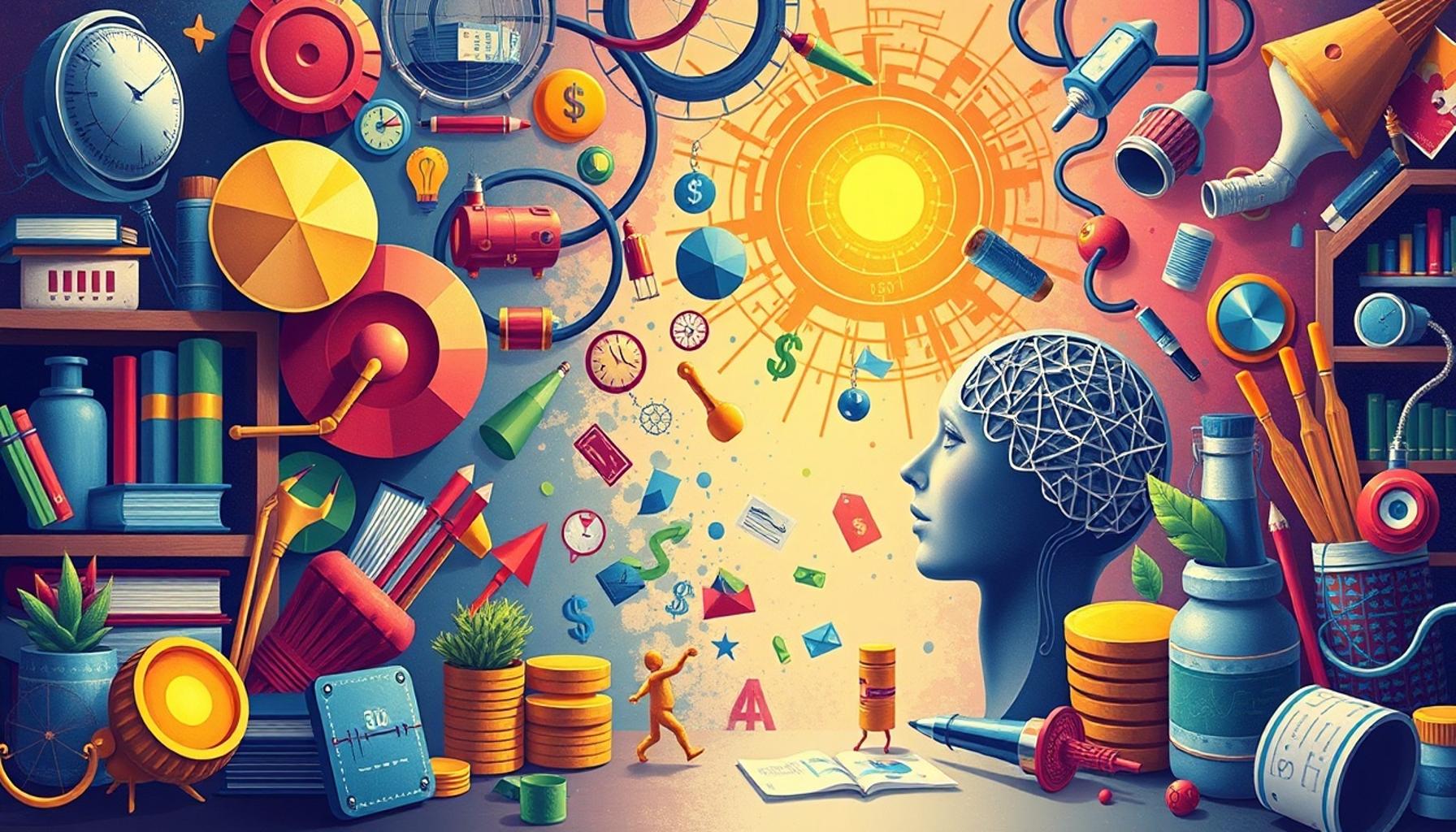
In recent years, artificial intelligence (AI) has emerged as a game-changing force across various sectors, revolutionizing traditional practices. The intersection of AI and creativity is particularly fascinating, as it opens new avenues for artists, designers, and creators alike. This transformation goes beyond mere automation; it fundamentally alters the way we perceive and engage with art.
AI’s involvement in the arts is evident in several compelling ways. For instance, consider the creation of artwork. Artists can now collaborate with AI to produce paintings, music, and literature that were previously unimaginable. One prominent example is the painting “Edmond de Belamy,” generated by the Paris-based art collective Obvious using a machine learning algorithm. The piece, featuring a portrait of an aristocratic figure, sold for an astonishing $432,500 at auction, challenging our conventional notions of authorship and originality in art.
Furthermore, AI serves as a catalyst for enhanced creativity. Various tools powered by AI assist artists in brainstorming, offering fresh ideas and perspectives that may not have arisen through traditional means. For example, platforms like DeepArt and Runway ML enable creators to manipulate and refine their artistic visions, suggesting novel styles, color palettes, or design elements. This collaboration between human creativity and AI acts as a bridge, allowing artists to push the boundaries of their craft.
Another significant advancement lies in personalization. AI can analyze individual preferences and tailor experiences accordingly. Music streaming services, such as Spotify, employ algorithms to recommend songs that align with a listener’s tastes, creating a dynamic and personalized sonic landscape. Similarly, art platforms like Art.com use AI to suggest artworks that resonate with user preferences, ensuring that each viewer encounters art that speaks to their unique sensibilities.
The impact of AI on the creative process extends beyond enhancing existing practices; it invites deeper discussions about the future of art and the role of human creativity within it. As AI continues to evolve, the lines between technology and artistry blur, leading to exciting new possibilities. This intertwining of disciplines not only enriches the art world but also prompts us to reconsider our understanding of creativity itself.
In this article, we will explore how AI is reshaping the arts, examining the implications for artists and what this evolution means for creativity in our society. Join us as we delve into the extraordinary ways AI contributes to modern artistry, illuminating the path toward a future where imagination and technology coexist harmoniously.
DIVE DEEPER: Click here to explore the latest in green technology
AI as a Collaborative Tool for Artists
One of the most profound ways artificial intelligence is reshaping the arts is through its role as a collaborative tool. No longer are artists limited to their own conceptual frameworks or traditional techniques; AI introduces a form of partnership that encourages exploration and innovation. By leveraging advanced algorithms and machine learning, artists are empowered to tap into a wealth of creative possibilities that enhance their own artistic processes.
Artists across various disciplines are beginning to use AI to expand their creative horizons. For instance, in the field of music, AI-driven applications like Amper Music and AIVA allow composers to generate original scores. These platforms analyze existing music compositions and can produce melodies that reflect an artist’s unique style or experiment with entirely new sounds. This enables musicians to create intricate works with speed and efficiency, while also encouraging them to push their creative envelopes.
Visual artists are similarly benefiting from this technological partnership. Platforms like Daz 3D and Artbreeder enable creators to blend existing visual art or generate new images based on specific parameters. For example, an artist might input preferences for certain color schemes and styles, allowing the AI to produce numerous variations. This level of interaction not only saves time but can lead to serendipitous discoveries that inspire new directions in an artist’s work.
Rethinking Artistic Authorship
The emergence of AI in creative practices also raises important questions regarding authorship and originality. Traditionally, art has been viewed as a product of individual talent and perspective. However, as AI begins to co-create alongside artists, the definition of authorship becomes less clear. Who is the true creator of a piece: the artist, who provided the initial ideas and input, or the AI, which generated the final output? This dilemma invites ongoing debates in both the artistic community and intellectual property law.
In particular, the rise of AI-generated art challenges us to consider the intrinsic value we place on the creator’s human experience. With machines now capable of producing impressive works, how do we measure the emotional impact or depth that comes from a human artist’s lived experience? Some argue that human intuition and emotional connection are irreplaceable, while others believe that the new forms of art produced through AI could possess their own intrinsic value, redefining the artistic experience for audiences.
The Role of Education in AI and the Arts
As AI continues to evolve and influence the arts, education plays a crucial role in shaping future artists and creators. Creative programs are beginning to incorporate technology-centric curricula, allowing students to engage with AI tools and learn how to integrate these resources into their work. Institutions offering courses in digital art, music technology, and interactive design are fostering a generation of creators who are not only skilled in traditional techniques but also adept at navigating the intersection of technology and art.
Through this educational shift, artists are given the chance to redefine their practice, reshaping the creative landscape. Here are several key benefits of integrating AI into arts education:
- Enhanced Skill Development: Students learn new tools and techniques, expanding their artistic skill sets.
- Collaborative Projects: AI enables team projects, fostering collaboration between technology and art students.
- Innovation Encouragement: The fusion of AI and creative pursuits can lead to unique and groundbreaking art forms.
As we explore the ways in which AI is transforming the arts and creativity, it becomes evident that this partnership is reshaping both individual artistic practices and broader societal perceptions of art itself.
DISCOVER MORE: Click here to learn about the role of technology in personal finance
AI and the Expansion of Creative Mediums
In addition to acting as a collaborative tool, artificial intelligence is significantly broadening the array of creative mediums available to artists. Traditional art forms, such as painting, sculpture, and music, are being augmented by AI technologies that provide entirely new platforms for expression. This transformation allows artists to explore innovative formats and engage their audiences in immersive ways.
For example, in the realm of interactive installations, many artists are now employing AI to create responsive environments that adapt based on viewer interaction. The work of artist Refik Anadol exemplifies this approach, as he uses AI algorithms to generate dynamic digital art that changes in real time. His installations not only provide visual stimulation but also invite audience participation, fostering a deeper connection between the artwork and its viewers. This level of audience engagement transforms the role of spectators; they become an integral part of the artistic experience, rather than passive observers.
AI in Performance Arts
The impact of AI also extends to the performance arts, where technology is redefining the boundaries of storytelling and human expression. Companies such as OpenAI have developed advanced language models that can generate scripts and dialogues, enabling playwrights and screenwriters to experiment with plotlines and character development. This capability opens up new possibilities for narrative construction, allowing artists to collaborate with AI as a source of inspiration or to drive plot twists that may have never emerged through conventional brainstorming methods.
Moreover, AI is now being used to create unique soundscapes in theater and dance performances. Choreographers can employ AI-powered software like Google’s Magenta to design original musical compositions that seamlessly blend with live performances. This fusion of technology and performance not only enhances the sensory experience for the audience but also empowers artists to deliver more complex and multi-dimensional narratives.
AI’s Influence on Art Distribution and Accessibility
The advent of AI also presents an opportunity to revolutionize art distribution and accessibility, aspects that are crucial for artists seeking to reach broad audiences. Platforms powered by AI can help artists market their works more effectively by analyzing consumer data and predicting trends. For example, AI algorithms can suggest optimal pricing, target demographics for marketing campaigns, and determine the best times for launching new works.
Furthermore, AI has the potential to democratize access to art. With tools such as Google Arts & Culture, audiences worldwide can explore virtual galleries and access creative works and exhibitions from the comfort of their homes. Through such initiatives, AI is breaking geographical barriers and making art more accessible to individuals who might have previously been excluded from traditional art spaces due to cost or location. This shift encourages a more inclusive approach to art appreciation and engagement, fostering a diverse global community of art lovers.
As these new mediums and distribution methods emerge, artists are urged to adapt their practices to leverage AI fully. By embracing the opportunities afforded by technology, they can continue to evolve their art forms, creating groundbreaking and socially relevant works that resonate with contemporary audiences.
LEARN MORE: Click here for essential tips
Conclusion
As we navigate through the transformative landscape of modern society, artificial intelligence emerges as a pivotal force that is redefining the arts and creativity in unprecedented ways. By acting not only as a collaborative partner but also as a catalyst for innovation, AI is expanding the creative palette available to artists, enabling them to explore new mediums and engage audiences through interactive and immersive experiences. From the dynamic installations of contemporary artists to the groundbreaking narratives crafted by playwrights using AI-generated scripts, the integration of technology into artistic expression enriches the artistic landscape.
Moreover, AI’s impact extends beyond creation; it also revolutionizes how art is distributed and accessed. With the power to analyze consumer trends and streamline marketing efforts, artists can more effectively reach and engage their audiences. Furthermore, initiatives aimed at democratizing art access ensure that creative works are available to a broader population, fostering inclusivity in appreciation and interaction with the arts.
As artists and audiences alike embrace these advancements, it is crucial to maintain an open dialogue about the implications of AI in the creative process. By doing so, we can ensure that technology serves as a meaningful augmentation to human creativity rather than a replacement. Ultimately, the synergy between creativity and artificial intelligence holds the promise of a vibrant future, where artistic expression continues to evolve, inspire, and bring communities together in ways previously unimagined.

Linda Carter
Linda Carter is a writer and expert known for producing clear, engaging, and easy-to-understand content. With solid experience guiding people in achieving their goals, she shares valuable insights and practical guidance. Her mission is to support readers in making informed choices and achieving significant progress.