How Technology is Transforming the Use of Credit Cards: Contactless Payments and Cryptocurrencies
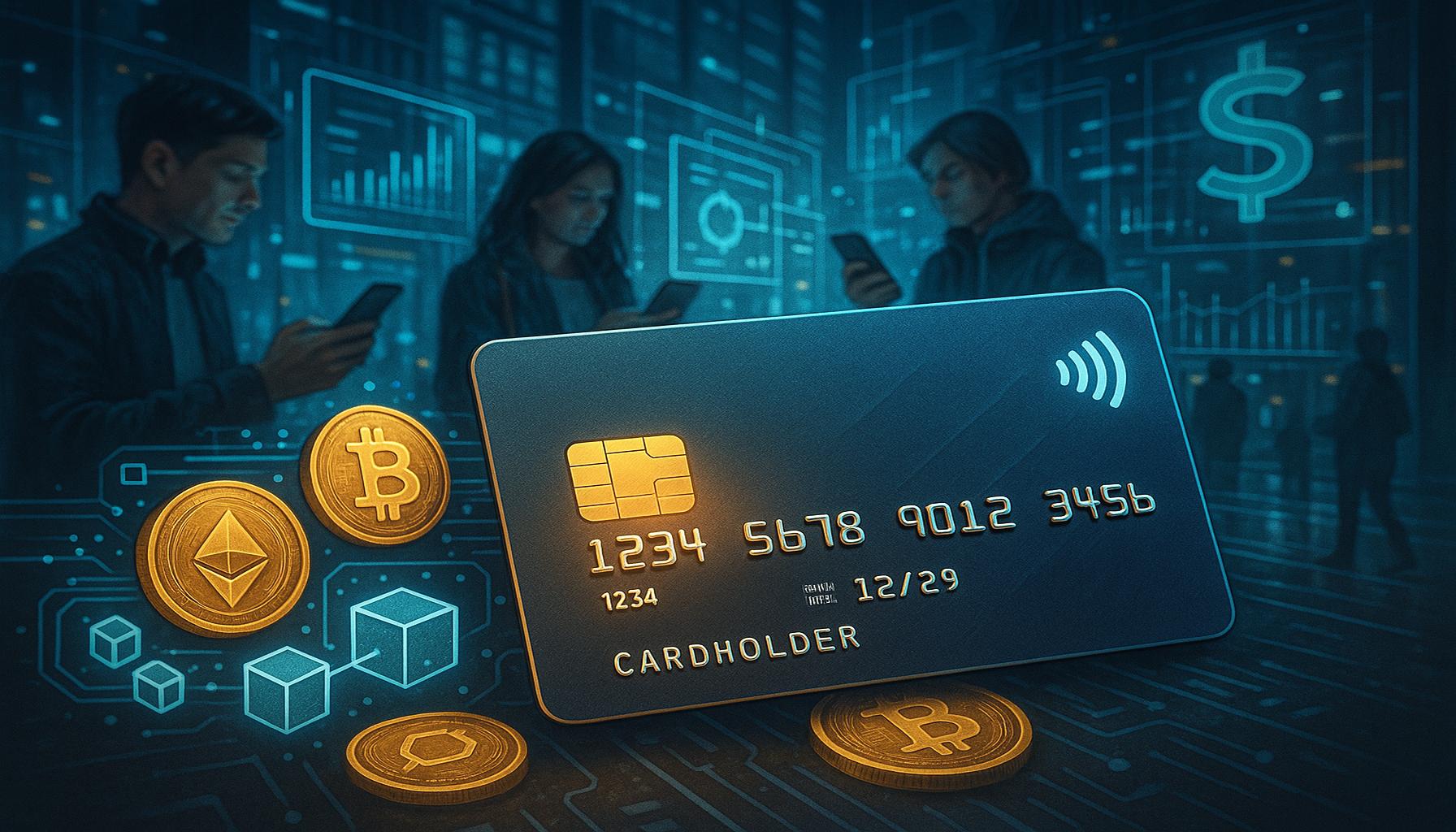
The Evolution of Financial Transactions: A Shift Towards Technological Advancements
The modern consumer seeks efficiency and convenience, leading to a remarkable transformation in financial transactions. Traditional credit cards, once the cornerstone of consumer spending, are now contending with innovative payment solutions that are altering how transactions occur in real-time.
Key Technological Advancements
Among the various innovations impacting this landscape, two stand out due to their profound implications for both consumers and merchants:
- Contactless Payments: This payment method allows users to complete transactions simply by tapping their card or mobile device at a payment terminal. Popularized by NFC (Near Field Communication) technology, contactless payments have drastically enhanced the speed of transactions. In 2022, the US saw a 150% increase in contactless payment usage, reflecting a growing trend among consumers who prioritize quick checkout experiences.
- Cryptocurrencies: These decentralized digital currencies offer an alternative means for payment that is not only innovative but also challenges traditional banking infrastructures. Although still a nascent technology, cryptocurrencies like Bitcoin and Ethereum have begun to gain acceptance among a variety of merchants, from tech companies like Microsoft to retail giants like Overstock. In 2023, it was estimated that over 15,000 businesses across the United States had begun accepting cryptocurrencies for payments.
Advantages of Adoption
The rise of these technologies comes with several notable advantages, enhancing overall user experience and financial inclusivity:
- Speed: Contactless payments allow for rapid transactions, reducing wait times at checkout lines. As a result, businesses can serve more customers efficiently, leading to increased sales revenue. In environments such as cafes or grocery stores, having a contactless option often means shorter queues and higher customer satisfaction.
- Security: Enhanced encryption technologies and the inherent qualities of blockchain offer robust security measures against fraud. Transactions made with cryptocurrencies are pseudonymous and encrypted, adding a layer of security that traditional credit card transactions often lack. This has led to increased consumer trust when utilizing these newer methods of payment.
- Accessibility: Cryptocurrencies, by their decentralized nature, present a financial opportunity for individuals without access to traditional banking systems. According to a study by the World Bank, an estimated 1.7 billion adults globally do not have a bank account, illustrating a significant market for digital currency solutions that can help bridge this gap.
Conclusion
As consumers continue to embrace these technological advancements, understanding their impact is essential. The shift towards using contactless payments and cryptocurrencies is not just changing the consumer’s reliance on credit cards, but it is also reshaping the broader financial ecosystem. As more businesses integrate these payment options and consumer behaviors evolve, the financial world is poised for a transformation that will redefine how money is perceived and utilized in everyday transactions.
DISCOVER MORE: Click here
Understanding the Mechanisms Behind Contactless Payments and Cryptocurrencies
To fully appreciate the impact of contactless payments and cryptocurrencies on the credit card landscape, it’s essential to delve into the underlying technologies and mechanisms that power these innovations. Both payment methods are rooted in cutting-edge technology that facilitates faster, smoother, and more secure transactions compared to traditional credit card systems.
Contactless Payments: The Technology at Work
Contactless payments primarily leverage Near Field Communication (NFC) technology, which enables two devices to communicate wirelessly over short distances. This technology is embedded in many modern credit cards and mobile wallets, allowing users to complete transactions with a simple tap. The shift toward contactless payments has significant implications:
- Convenience: By reducing the physical interaction involved in swiping a card or entering a PIN, contactless payments enhance the consumer experience, particularly in high-traffic retail environments. For example, the average time taken to complete a contactless transaction is under two seconds, compared to several seconds for traditional methods. This improvement is helping businesses maximize efficiency and customer turnover.
- Integration with Mobile Wallets: The rise of smartphones equipped with mobile wallet applications like Apple Pay, Google Pay, and Samsung Pay has accelerated the adoption of contactless payments. These applications not only allow users to make payments but also consolidate loyalty programs, coupons, and transaction histories in one platform, further enriching the consumer experience.
- Global Expansion: Contactless payments have witnessed widespread adoption in countries such as Canada, the UK, and Australia. In the United States, it was reported that contactless card usage surpassed 25% of in-person transactions by 2022, indicating a significant shift towards this payment method among American consumers.
Cryptocurrencies: A New Paradigm in Payments
While contactless payments are transforming how existing credit card users transact, cryptocurrencies are redefining what money itself means. By utilizing blockchain technology, cryptocurrencies provide an alternative payment solution that is decentralized and increasingly accepted across a variety of sectors:
- Decentralization: Unlike traditional credit card transactions that rely on centralized banking systems, cryptocurrencies operate on a decentralized network, which minimizes the role of intermediaries, thus reducing transaction costs. This characteristic becomes especially relevant for cross-border payments, where traditional banking processes can impose exorbitant fees and delays.
- Volatility and Investment: Cryptocurrencies are known for their price volatility, which can be a double-edged sword. While this volatility creates investment opportunities, it can make everyday transactions less predictable. This has led businesses to develop strategies for price conversion and customer education regarding the use of such currencies in commerce.
- Regulatory Landscape: As cryptocurrencies gain traction, regulatory authorities in the United States have begun outlining frameworks for their use. This evolving regulatory landscape can either bolster consumer confidence in using digital currencies or create challenges for merchants as they navigate compliance.
These technological advancements are indicative of a broader trend in financial transactions, one that shapes the future of payment systems drastically. As both contactless payments and cryptocurrencies continue to mature, they promise to provide consumers with not merely alternatives, but rather a complete rethinking of how credit cards and transactional finances intertwine. Understanding the implications of these shifts is crucial for consumers, merchants, and financial institutions alike, as they prepare for a new financial ecosystem that emphasizes speed, security, and accessibility.
DISCOVER MORE: Click here to unlock the secrets of a capsule closet
The Future of Credit Cards: Integrating Both Innovations
The transformation of payment systems driven by contactless payments and cryptocurrencies not only adds convenience and flexibility to consumers but also poses new opportunities and challenges for credit card issuers, merchants, and financial institutions. As these technologies continue to evolve, the integration of contactless payment systems with cryptocurrency capabilities could redefine the future of credit card usage.
Hybrid Payment Solutions
The emergence of hybrid payment solutions represents a critical evolution in the credit card ecosystem. Companies are exploring ways to enable credit cards that can process transactions both through traditional fiat currency and cryptocurrencies. This innovation could allow consumers to decide which type of payment to use on a per-transaction basis, appealing to both traditional users and enthusiasts in the cryptocurrency space.
- Enhanced Flexibility: By merging contactless functionality with cryptocurrency payment options, consumers could pay in the way that best suits their financial strategies or preferences at any given time. Such versatility fosters greater consumer engagement and enhances overall satisfaction.
- Payment Aggregators: Services like BitPay and Coinbase are paving the way for cryptocurrency integration into existing payment infrastructures. By allowing businesses to accept digital currencies through partnerships with traditional credit card networks, these platforms create a seamless consumer experience that marries legacy systems with modern digital assets.
Security and Fraud Prevention
As innovative payment methods gain popularity, concerns regarding security and fraud prevention remain at the forefront. The transition to contactless payments and the adoption of cryptocurrencies can both introduce vulnerabilities and enhance security measures:
- Contactless Payment Security: Contactless payments employ tokenization, which substitutes sensitive card information with unique identifiers during transactions, making it markedly challenging for fraudsters to access real credit card numbers. In addition, many mobile wallets utilize biometric security measures like fingerprint or facial recognition to further enhance safety, reassuring users about the security of their financial data.
- Cryptocurrency Security Features: Cryptocurrencies leverage cryptographic techniques to ensure secure transactions and protect users’ assets. While issues such as hacking and loss of private keys persist, the decentralized nature of blockchain technology inherently makes counterfeiting and fraud challenging. Nevertheless, ongoing education about wallet security and best practices is imperative for consumers and merchants alike to foster confidence in cryptocurrency usage.
Impact on Business Models
The integration of contactless payments and cryptocurrencies is impacting business models across various sectors. Retailers and financial institutions need to adapt to a changing landscape characterized by evolving consumer preferences and technological advancements:
- Cost Structure Re-evaluation: Businesses accepting cryptocurrencies may benefit from lower transaction fees compared to credit card processing costs. As cryptocurrencies gain mainstream acceptance, companies might need to evaluate how to reshape their pricing structures and operational workflows to maximize profitability.
- Customer Loyalty Programs: Integration of both technologies offers new means for innovation in customer loyalty programs. By tokenizing points and rewards on the blockchain, businesses can provide users with cryptocurrency-based loyalty rewards, which are often transferable, promoting consumer retention and attracting new customers.
As more businesses explore the potential of combining these payment technologies, the future of credit cards appears to be rapidly evolving. The intersection of contactless payments and cryptocurrencies is set to redefine not only how consumers make purchases but also how merchants operate in an increasingly digital economy. With the potential for ongoing investment and development in this space, understanding these dynamics will be vital as we move forward into an era of unprecedented financial innovation.
DISCOVER MORE: Click here to explore the benefits of living with purpose
Conclusion
As technology continues to advance, the landscape of credit card usage is undergoing profound changes, primarily influenced by contactless payments and cryptocurrencies. These innovations not only enhance consumer convenience but also shift the operational paradigms of financial institutions and merchants. With the rise of hybrid payment solutions, consumers are increasingly empowered to select their preferred payment method, whether it be traditional currencies or digital assets. This adaptability aligns well with the growing demand for personalized financial services, a trend that is expected to strengthen as consumer preferences evolve.
The integration of robust security measures, such as tokenization in contactless payments and blockchain technology in cryptocurrency transactions, offers promising avenues for enhancing transaction security. However, the potential for fraud remains a challenge that users and providers must navigate vigilantly. As businesses re-evaluate their cost structures and innovate customer loyalty programs, the intersection of these technologies could lead to an era of improved consumer trust and engagement.
Ultimately, the future of credit cards lies in harmonizing traditional banking practices with emerging technologies. As we witness this metamorphosis, it is crucial for stakeholders across the financial ecosystem—including issuers, merchants, and consumers—to remain informed and adaptable. Understanding and leveraging these technological advancements will be key to navigating the complexities of a rapidly evolving digital economy. The fusion of contactless payments and cryptocurrencies heralds a new chapter in financial transactions, promising a more efficient, secure, and user-friendly experience for all parties involved.