Smart Cities: How Digital Innovation is Redefining Urban Mobility in the USA
Transformative Power of Digital Innovation in Urban Areas
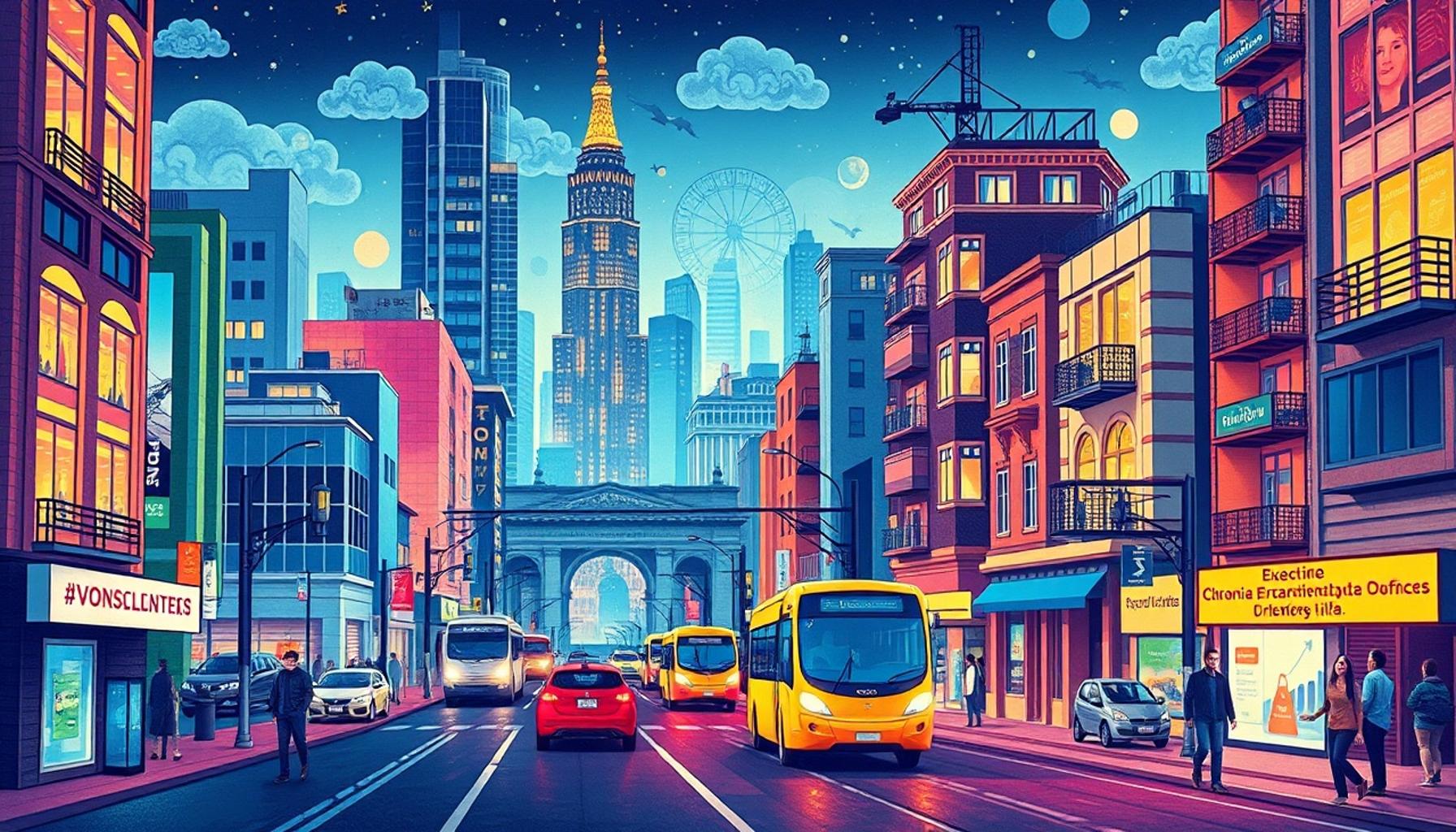
Urban spaces across the United States are experiencing a major transformation, primarily driven by digital innovation. This evolution is not simply about upgrading physical structures such as roads and bridges; it reaches far beyond that, influencing the way we commute, communicate, and engage with our surroundings. As cities adopt smart technologies, we are entering an exciting era of urban mobility that promises increased convenience and sustainability for city dwellers.
Several key features exemplify this innovative shift:
- Connected Vehicles: Imagine a scenario where cars can communicate with each other and traffic management systems in real-time. This is becoming a reality as connected vehicles share information about road conditions and accident alerts. For instance, if a car ahead brakes suddenly, nearby vehicles receive alerts, potentially preventing accidents and reducing traffic congestion. Such technologies can significantly cut down commute times and enhance safety on the roads.
- Public Transit Enhancements: The introduction of real-time tracking apps for public transportation is making commuting more efficient than ever. With apps like Citymapper or Transit, users can see when the next bus or train is arriving, allowing them to plan their journeys accurately and reduce waiting times. This enhancement leads to a more reliable public transit system, encouraging people to choose it over personal vehicles, thereby reducing traffic and emissions.
- Mobility-as-a-Service (MaaS): This concept integrates various modes of transportation—such as buses, trains, ride-sharing services, and bike rentals—into a single, user-friendly platform. For example, apps like Uber incorporate multiple transport options, allowing users to seamlessly switch from a ride-share to public transit within a single journey. This flexibility promotes more sustainable travel patterns as users can easily opt for greener methods of transport.
- Smart Traffic Management: Utilizing advanced AI systems, cities are now able to optimize traffic signals to improve overall traffic flow. For instance, cities like Los Angeles are employing smart traffic management systems that adapt signal timings based on real-time traffic conditions. By reducing delays and optimizing routes, these systems not only save time for commuters but also decrease vehicle emissions, contributing to a healthier environment.
As we explore the broader implications of smart city initiatives, it becomes clear that these advancements are reshaping our daily lives. Not only do they enhance the efficiency of our commutes, but they also play a crucial role in reducing greenhouse gas emissions and improving the overall quality of urban living. By embracing digital tools, cities across the U.S. are paving the way for a more sustainable and accessible future, ensuring that urban spaces can thrive in harmony with both their residents and the environment.
DISCOVER MORE: Click here to learn how to apply for the Emirates Skywards Premium World Elite Mastercard</
Revolutionizing Urban Transportation through Technology
The rise of smart cities in the United States signifies a comprehensive shift in how urban environments manage and implement transportation solutions. This transformation is driven largely by sophisticated digital innovations that enhance the efficiency, safety, and sustainability of urban mobility. As technology continues to evolve, it facilitates more interconnected systems that provide essential data and services to commuters, thereby reshaping their daily travel experiences.
One of the most significant impacts of digital innovation is the enhanced accessibility of information for users. Below are some notable advancements that are fostering this new urban mobility landscape:
- Integrated Transportation Networks: Cities are increasingly adopting platforms that consolidate various modes of transportation. For example, app-based tools like Moovit and Google Maps not only provide users with departure times but also offer real-time updates on delays and alternative routes. This integration encourages residents to explore different public transportation options, reducing reliance on personal vehicles and diminishing overall traffic congestion.
- Smart Parking Solutions: One of the logistical challenges metropolitan areas face is finding suitable parking. Technologies like smart parking meters and mobile apps that show available parking spots allow drivers to locate and reserve parking spaces in advance. Cities such as San Francisco have already implemented these systems, which help streamline traffic flow by minimizing the time spent searching for parking.
- Electric and Autonomous Vehicles: As part of the commitment to sustainable urban environments, many cities are embracing electric vehicle (EV) infrastructure. Charging stations are becoming more prevalent, making it easier for users to opt for greener transportation. Furthermore, the development of autonomous vehicles holds the promise of reducing the number of cars on the road, thus lessening traffic and environmental impact. Cities like Phoenix and Dallas are at the forefront of testing these technologies.
- Data-Driven Decision Making: Urban planners are leveraging data analytics to make informed decisions regarding transportation infrastructure. By analyzing patterns from commuting data, cities can identify problem areas, optimize public transport routes, and allocate resources where they are most needed. This can be seen in cities like Chicago, which utilizes data to improve the efficiency of bus services based on commuter demand.
The integration of these advancements signifies a paradigm shift towards smarter, more efficient urban mobility. It is crucial to recognize that these technologies not only enhance the commuter experience but also contribute significantly to environmental goals, helping cities to lower their carbon footprints. As digital innovation continues to evolve, its implications for urban transportation will become increasingly profound, guiding municipalities towards a future where sustainable mobility becomes the norm rather than the exception.
DISCOVER MORE: Click here to learn about the vital role of banks
Enhancing Commuter Experience through Smart Innovations
As we delve deeper into the realm of smart cities, it becomes apparent that digital innovations are not solely concerned with improving infrastructure; they are fundamentally enhancing the overall commuter experience. By placing an emphasis on user-centric solutions, cities across the United States are developing systems that not only prioritize efficiency but also foster a sense of community and engagement amongst residents.
A vital aspect of this transformation is the implementation of mobility-as-a-service (MaaS) platforms. These platforms act as a one-stop shop for all transportation needs, allowing users to plan, book, and pay for several types of transport—from public transit to ride-sharing services—all through a single app. For instance, cities like Los Angeles are spearheading initiatives that merge various travel modes, enabling users to transition seamlessly from a bike ride to the metro in just a few taps. This kind of integration not only simplifies navigation within urban landscapes but also motivates individuals to utilize public transport and green travel options, leading to reduced traffic congestion and improved air quality.
Moreover, real-time feedback systems are increasingly becoming part of urban landscapes, ensuring that commuters stay informed about the latest developments in their transport services. For example, cities like New York City have incorporated responsive digital displays at bus stops and subway stations, providing live updates regarding delays, expected arrival times, and even safety information. This transparency empowers commuters, enabling them to make informed decisions and adjust their travel plans accordingly, ultimately resulting in a more efficient daily routine.
The phenomenon of smart traffic management systems further illustrates how technology is reshaping urban mobility. Utilizing a network of sensors and cameras, cities can monitor traffic flow in real time, adjusting traffic signals dynamically based on current conditions. Take Austin, Texas, for example; its traffic management initiatives incorporate algorithms that predict congestion and modify light patterns to optimize vehicle flow. These adaptations reduce wait times at intersections and decrease the likelihood of gridlock, illustrating a direct benefit to urban commuters.
Equally important is the role of community engagement through digital platforms. Many cities are utilizing social media and apps to solicit feedback from residents on transportation projects and policies. This participatory approach fosters a sense of ownership within the community, as citizens have a voice in decisions that shape their urban mobility experiences. San Diego has embraced this strategy, actively encouraging residents to report issues such as potholes or traffic hazards using a dedicated mobile application. This collaborative endeavor not only enhances service but also builds a stronger connection between citizens and local governance.
Furthermore, the focus on inclusivity and accessibility within urban mobility initiatives demonstrates a commitment to serving all demographics. Smart cities are increasingly making strides to ensure that their transportation systems cater to individuals with disabilities. This is notably seen in cities like Seattle, where apps provide not only standard route planning but also options tailored for users who require accessible transit alternatives. By prioritizing inclusivity, cities can ensure that everyone has equal opportunities for mobility, enhancing overall community well-being.
Each of these innovations highlights the profound shift in how urban mobility is being redefined. By moving towards a more interconnected and user-friendly transportation landscape, smart cities are fostering an environment where mobility is not merely a matter of transit but a holistic approach to urban living. Through the lens of digital innovation, the future of urban mobility looks promising, reflecting a transformation centered around the needs of the community.
DISCOVER MORE: Click here for money-saving tips
Conclusion: Looking Ahead to a Seamless Future
In summary, the transformation of urban mobility through digital innovation marks a significant shift in how we navigate our cities. As we have explored, smart cities are harnessing technologies like mobility-as-a-service, real-time feedback systems, and adaptive traffic management to create a more integrated and user-centric transportation experience. These advancements not only enhance the convenience and efficiency of travel but also promote sustainability by encouraging the use of public transit and reducing vehicle emissions.
Furthermore, by engaging communities through digital platforms and prioritizing inclusivity, cities are ensuring that all residents have a voice in shaping their mobility experiences. This participatory approach contributes to a stronger sense of belonging, making urban environments more livable and welcoming for everyone. As cities like San Diego and Seattle lead the charge, it becomes clear that the implications of these innovations extend far beyond mere transportation; they reflect a broader commitment to fostering community well-being and civic engagement.
Looking ahead, the promise of smart cities lies in their ability to adapt and evolve in response to the needs of their populations. By continuously embracing digital innovation, cities across the USA can redefine what mobility means, ultimately creating a more connected and resilient urban future. As we move forward, it is essential for stakeholders—governments, businesses, and community members—to collaborate and ensure that this evolution addresses the diverse needs of all citizens, paving the way for smarter, more inclusive cities.

Linda Carter
Linda Carter is a writer and expert known for producing clear, engaging, and easy-to-understand content. With solid experience guiding people in achieving their goals, she shares valuable insights and practical guidance. Her mission is to support readers in making informed choices and achieving significant progress.